Warranty Deed from Husband and Wife to a Trust - South Carolina 2026

Get Form
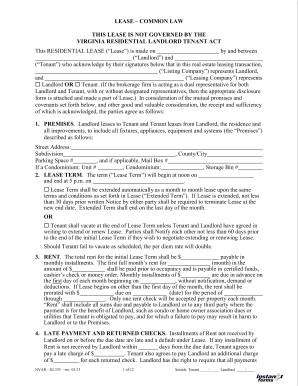
Warranty Deed from Husband and Wife to a Trust - South Carolina Preview on Page 1

Here's how it works

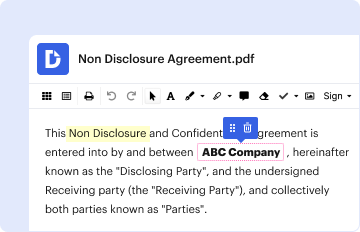
01. Edit your form online
Type text, add images, blackout confidential details, add comments, highlights and more.
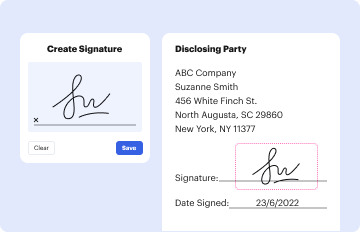
02. Sign it in a few clicks
Draw your signature, type it, upload its image, or use your mobile device as a signature pad.
03. Share your form with others
Send it via email, link, or fax. You can also download it, export it or print it out.

How to use or fill out Warranty Deed from Husband and Wife to a Trust - South Carolina

Form edit decoration
9.5
Ease of Setup
DocHub User Ratings on G2
9.0
Ease of Use
DocHub User Ratings on G2
  1. Click ‘Get Form’ to open it in the editor.
  2. Begin by entering the names of the Grantors (Husband and Wife) in the designated fields, ensuring accuracy for legal purposes.
  3. Next, specify the Grantee's name as Trustee of the Trust, along with the trust's date. This is crucial for identifying ownership.
  4. In the property description section, provide detailed information about the property being transferred. If there’s an attachment, indicate 'SEE DESCRIPTION ATTACHED'.
  5. Complete any additional sections regarding easements or mineral rights that may apply to your property.
  6. Ensure all signatures are collected from both Grantors and witnesses. Notarization is also required; make sure to fill in notary details accurately.
  7. Finally, review all entries for completeness and correctness before saving or printing your document.

Start using our platform today to streamline your document editing and signing process for free!

be ready to get more

Complete this form in 5 minutes or less

Get form

Got questions?

We have answers to the most popular questions from our customers. If you can't find an answer to your question, please contact us.
Contact us
If you want to make a living trust yourself with an online program, it will cost a few hundred dollars. You can also hire a lawyer to help you create your trust, which will likely run more than $1,000. The exact cost will depend on the attorneys fees, the complexity of your estate and the services requested.
Create the trust document. You can get help from an attorney or use Willmaker Trust (see below). Sign the document in front of a notary public. Change the title of any trust property that has a title documentsuch as your house or carto reflect that you now own the property as trustee of the trust.
Youll need to file a quit claim deed and a change of ownership form that transfers title from your name to the trust, said Banuelos. If you own several commercial investment properties, you might own each of the properties through an individual LLC to limit your liability.
Disadvantages of Warranty Deeds Title companies will research the chain of deeds, past court judgments, and unpaid taxes before green-lighting the transfer. The grantor also remains on the hook long after the sale. If a forgotten lien surfaces, the buyer can pull the grantor into court for damages and legal fees.
This is done by drafting a new deed with the name of the trust as the grantee. In South Carolina, the deed must be signed in the presence of a notary public. Record the Deed: After the deed is signed and docHubd, it should be recorded with the county recorders office in the county where the property is located.

Security and compliance

At DocHub, your data security is our priority. We follow HIPAA, SOC2, GDPR, and other standards, so you can work on your documents with confidence.

Learn more
ccpa2
pci-dss
gdpr-compliance
hipaa
soc-compliance

People also ask

If a cohabiting couple with a Declaration of Trust gets married, the deed will be superseded by the Matrimonial Causes Act 1973. Among other things, this act dictates how a court can act in settling a divorce, including what powers the court has to determine how property owned by the married couple is managed.
In a special warranty deed, the grantor makes a similar guarantee, but with an important limitation. Rather than warranting that there are no problems with the title, the grantor warrants that the grantor has caused no problems with the title.

Related links