

Notice of Breach of Written Lease for Violating Specific Provisions of Lease with Right to Cure for Residential Property from Landlord to Tenant - District of Columbia 2026

Get Form
Notice of Breach of Written Lease for Violating Specific Provisions of Lease with Right to Cure for Residential Property from Landlord to Tenant - District of Columbia Preview on Page 1

Here's how it works

01. Edit your form online
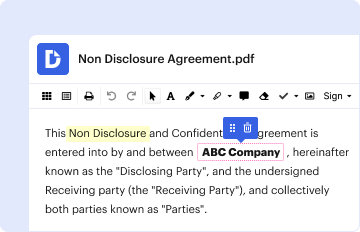
Type text, add images, blackout confidential details, add comments, highlights and more.
02. Sign it in a few clicks
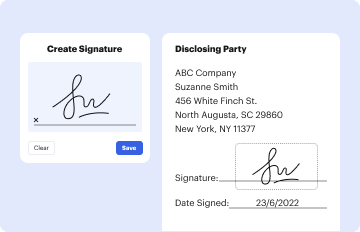
Draw your signature, type it, upload its image, or use your mobile device as a signature pad.
03. Share your form with others
Send it via email, link, or fax. You can also download it, export it or print it out.

How to use or fill out Notice of Breach of Written Lease for Violating Specific Provisions of Lease with Right to Cure for Residential Property from Landlord to Tenant - District of Columbia

Form edit decoration
9.5
Ease of Setup
DocHub User Ratings on G2
9.0
Ease of Use
DocHub User Ratings on G2
  1. Click ‘Get Form’ to open it in the editor.
  2. Begin by entering the tenant's name(s) in the designated field at the top of the form.
  3. Next, fill in your name as the landlord and provide the address of the leased premises.
  4. Identify and specify the lease provision(s) that have been violated. Clearly state the reason for this breach in the provided section.
  5. Indicate how many days (fill in the blank) the tenant has to cure the breach before eviction proceedings may begin.
  6. Sign and date the notice at the bottom, ensuring you include your title if applicable.
  7. Complete the proof of delivery section by selecting how you delivered this notice (hand, registered/certified mail, or posting).
  8. Finally, sign again in this section and note your capacity as landlord or agent along with the delivery date.

Start using our platform today to easily complete and manage your lease documents online for free!

be ready to get more

Complete this form in 5 minutes or less

Get form

Got questions?

We have answers to the most popular questions from our customers. If you can't find an answer to your question, please contact us.
Contact us
Rental payment data may appear on your credit reports. If you dont pay the penalties from breaking a lease, the debt may go to a collection agency. If a collection agency reports your debts to Equifax, Experian or TransUnion, that impacts your credit scores for up to seven years.
Remedies: Eviction: If the court finds that there is a breach of lease they will issue an Order of Restitution, which orders the Sherriff to remove the Tenant from the property.
Once the tenant is found to be in violation of the contract, they are sent a lease violation notice. This written notice informs the tenant of the lease term or policy that they failed to follow. The tenant must also remedy the problem within a given time period.
A lease violation is any action that breaks one of the terms of a Lease Agreement. Since a lease is a contract, a lease violation is legally a breach of contract. A lease violation can occur when the tenant does something that the Lease Agreement specifically forbids.
A breach happens when one party fails to uphold their responsibilities. Common examples include: Tenant breaches: Failing to pay rent, keeping unauthorized pets, or subletting without permission. Landlord breaches: Failing to provide essential repairs or maintain a habitable living environment.
be ready to get more

Complete this form in 5 minutes or less

Get form

People also ask

Notice of Violation means a written notice prepared by an enforcement official that informs a responsible person of code violations and orders them to take certain steps to correct the violations.
In Texas, for severe violations such as non-payment of rent, tenants generally have three days to either pay the outstanding amount or vacate the premises. Failure to correct the violation may lead to eviction proceedings, which involve filing a lawsuit in court.
Cure or quit is a notice given to tenants to stop violating a clause of their lease agreement. Either state statute or the lease agreement will determine how long the tenant has to respond to or stop the prohibited activity. If the tenant refuses to stop, the landlord will file to evict the tenant.

Related links