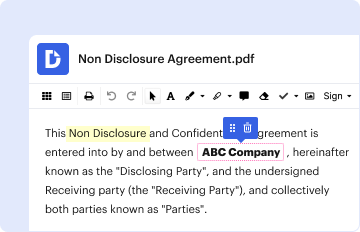
Type text, add images, blackout confidential details, add comments, highlights and more.
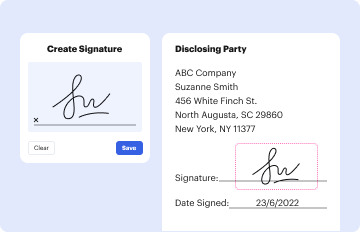
02. Sign it in a few clicks
Draw your signature, type it, upload its image, or use your mobile device as a signature pad.
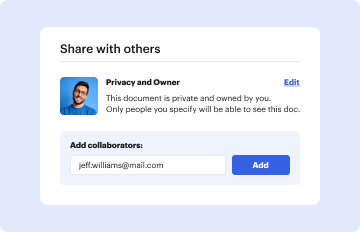
03. Share your form with others
Send it via email, link, or fax. You can also download it, export it or print it out.
How to use or fill out Buyer's Home Inspection Checklist - District of Columbia with our platform
Ease of Setup
DocHub User Ratings on G2
Ease of Use
DocHub User Ratings on G2
Click ‘Get Form’ to open the Buyer’s Home Inspection Checklist in the editor.
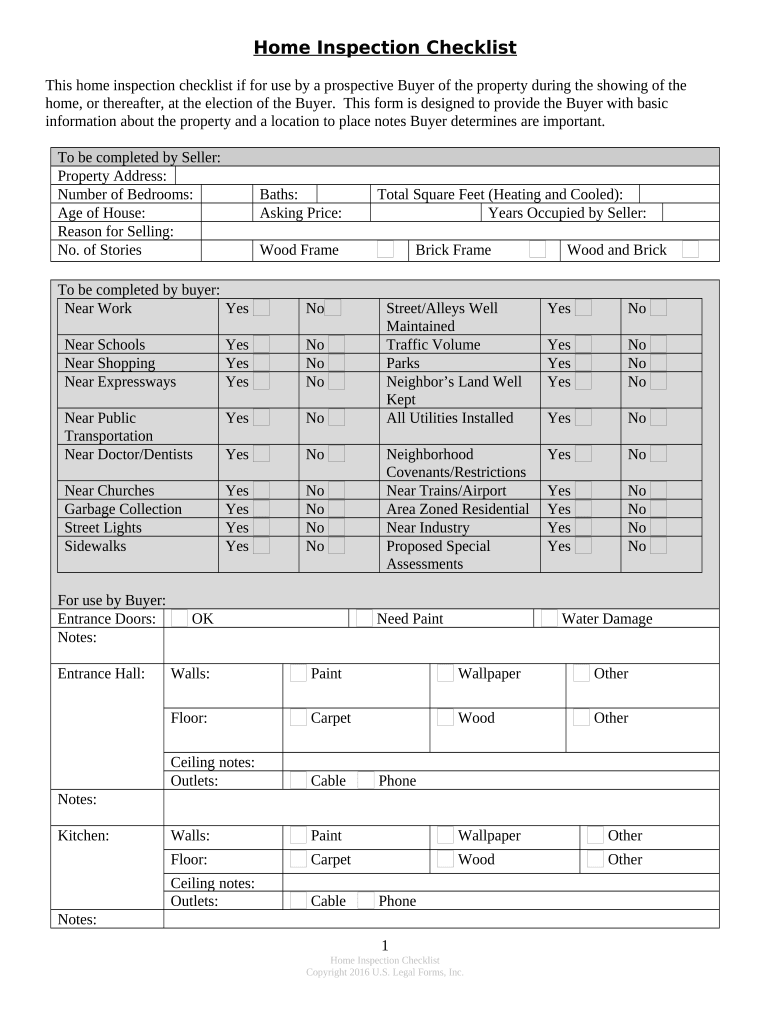
Begin by filling out the Seller's section, including the property address, number of bedrooms, age of the house, and reason for selling. This information is crucial for understanding the property.
Next, move to the Buyer’s section. Indicate your preferences regarding proximity to work, schools, shopping, and public transportation by selecting 'Yes' or 'No' for each option.
Continue through the checklist by assessing various aspects of the home such as entrance doors, total square feet, and neighborhood conditions. Use the notes sections to jot down any observations or concerns.
For each room listed (e.g., kitchen, living room), evaluate walls, floors, ceilings, and outlets. Document your findings in the provided fields to ensure a comprehensive inspection.
Finally, review your entries for accuracy and completeness before saving or sharing your checklist directly from our platform.
Start using our platform today to streamline your home inspection process for free!
Fill out Buyer's Home Inspection Checklist - District of Columbia online It's free
Top reasons homes fail inspection Foundation flaws such as cracks, troublesome tree roots and uneven settling or lack of steel reinforcement. An aging, damaged or deteriorating roof. Missing flashing or shingles. Damaged siding. Rotted wood. Improper grading that doesnt allow water to move away from the house.
What are the four major components of an inspection report?
A 4 point inspection focuses on four major systems: roof, electrical, plumbing, and HVAC. Its often required by insurance companies for homes over 20-30 years old. The inspection helps insurers assess risk and determine insurability.
What is the biggest red flag in a home inspection?
Top 10 Common Home Inspection Red Flags Water Damage and Mold. Electrical Issues. Plumbing Problems. HVAC System Issues. Poor Drainage Around the Home. Pest Infestations. Structural Problems. Old or Damaged Windows and Doors. Windows and doors do more than let in lightthey help with insulation and security.
What do home inspectors look for in BC?
A home inspector may: Look for leaks in piping systems, check for drainage and test water pressure in faucets and other plumbing fixtures. Check the homes electrical system by inspecting outlets and main service panels. Report on any evidence of water in the home.
What is the inspection checklist?
An inspection checklist, when used properly, is an assurance that a particular piece of equipment has been inspected. As each item on the checklist is ticked off, the person doing the inspection is verifying that each component of the equipment is in correct working order.
Related Searches
Free buyer's home inspection checklist district of columbiaBuyer's home inspection checklist district of columbia pdfBuyer's home inspection checklist district of columbia washingtonMissouri home inspection ChecklistMN home inspection ChecklistASHI home inspection checklistPresale home inspection checklistExterior property inspection checklist
Security and compliance
At DocHub, your data security is our priority. We follow HIPAA, SOC2, GDPR, and other standards, so you can work on your documents with confidence.
The inspector examines the structural aspects of the home, heating and cooling systems, plumbing, electrical work, water and sewage to ensure they are all functioning properly. The overall condition of the property is also assessed for fire and safety issues, damages and anything else that can affect its value.
Related links
C. What Are the 10 Steps to Homeownership? | dds
The homebuyer pays for the home inspection and appraisal upfront, not at settlement. Purpose: HUD recommends home inspections for the homebuyers best interest.
The inspection puts the buyer on notice of most major defects in the property and repairs that buyer otherwise would have to undertake after taking possession.
Cookie consent notice
This site uses cookies to enhance site navigation and personalize your experience.
By using this site you agree to our use of cookies as described in our Privacy Notice.
You can modify your selections by visiting our Cookie and Advertising Notice.