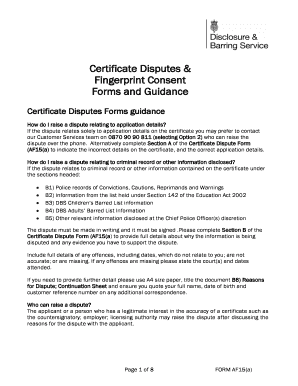
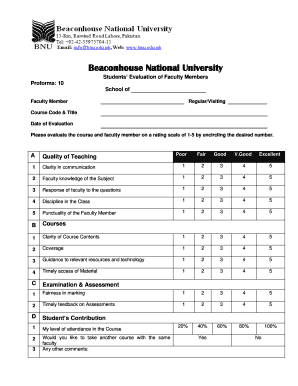
Type text, add images, blackout confidential details, add comments, highlights and more.
02. Sign it in a few clicks
Draw your signature, type it, upload its image, or use your mobile device as a signature pad.
03. Share your form with others
Send it via email, link, or fax. You can also download it, export it or print it out.
How to use or fill out ct last will with our platform
Ease of Setup
DocHub User Ratings on G2
Ease of Use
DocHub User Ratings on G2
Click ‘Get Form’ to open the ct last will in the editor.
Begin by entering your name in Field [1] and your county of residence in Field [3]. This establishes your identity and jurisdiction.
In Article One, specify your spouse's name in Field [4]. This is crucial for determining inheritance.
For Article Three, list any specific bequests. Fill out Fields [5] to [22] with names, addresses, relationships, and descriptions of property you wish to bequeath.
In Article Four, indicate your spouse's name again for the homestead provision in Field [23].
Complete Articles Five and Six by naming beneficiaries for the remainder of your estate. Use Fields [24] and [25] accordingly.
Designate a Personal Representative in Article Seven using Fields [29] and [30]. This person will manage your estate.
Review all entries carefully before printing. Ensure you sign the document in front of two witnesses as required.
Start filling out your ct last will today on our platform for free!
Ct last will templateCt last will template freeCt last will pdfCt last will printableCt last will template pdfState of ct last will and Testament FormFree Connecticut Will templateOnline will connecticut
Security and compliance
At DocHub, your data security is our priority. We follow HIPAA, SOC2, GDPR, and other standards, so you can work on your documents with confidence.
Remarks of Vice President Nixon, Bushnell Memorial
But how this election will be determined in these last 3 weeks is who will work the hardest and fight the hardest. From what I have seen here in ConnecticutRead more
Wills executed outside the state. A will or codicil shall not be valid to pass any property unless it is in writing, subscribed by the testator and attested byRead more
Aug 5, 2025 Bridgeport Harbor Station is an operating power station of at least 576-megawatts (MW) in Bridgeport, Fairfield, Connecticut, United StatesRead more
Cookie consent notice
This site uses cookies to enhance site navigation and personalize your experience.
By using this site you agree to our use of cookies as described in our Privacy Notice.
You can modify your selections by visiting our Cookie and Advertising Notice.