






Understanding a Car Accident Police Report Sample
A car accident police report sample is a standardized document that law enforcement completes following a vehicle collision. This report plays a crucial role in documenting the specifics of the incident and is often used by insurance companies, legal entities, and involved parties to assess liability, damages, and other relevant details surrounding the accident.
Key Components of a Car Accident Police Report
A complete police report for a car accident typically includes the following components:
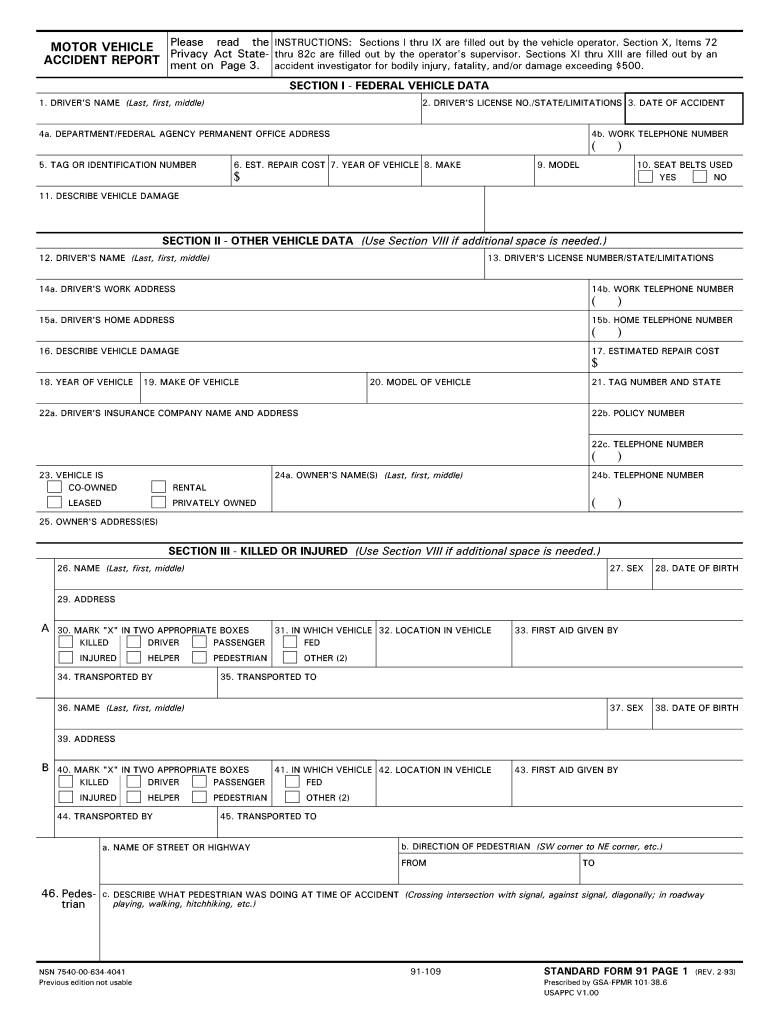
- Incident Details: This section details the time, date, and location of the accident, including street names and landmarks.
- Vehicles Involved: Identification of all vehicles involved including the make, model, year, color, and license plate numbers.
- Driver Information: Full names, addresses, phone numbers, and driver's license numbers of all drivers involved.
- Witness Statements: Accounts from witnesses who observed the accident, providing additional context for the incident.
- Weather and Road Conditions: Notes on current weather, visibility, and road conditions, which may affect the circumstances surrounding the accident.
- Diagram of Accident Scene: A sketch illustrating the positions of vehicles and directions of travel at the time of impact.
These elements are crucial for understanding the incident and determining liability.
Sample Format of a Car Accident Police Report
Typically, a car accident report includes the following sections:
- Header: "Police Report for Vehicle Accident"
- Case Number: A unique identifier for the report.
- Reporting Officer Information: Name, badge number, and contact details of the officer who filed the report.
- Accident Summary: A brief paragraph summarizing the key details of the accident.
- Involved Parties: A dedicated section listing all drivers, passengers, and witnesses.
- Evidence Collected: A list of evidence such as photographs, and damage assessments recorded by the officer.
- Narrative Description: A detailed account based on officer observations and witness statements regarding how the accident occurred.
Importance of Car Accident Reports
The police accident report serves several critical functions:
- Legal Documentation: The report can be used as evidence in court if disputes arise about the details of the accident.
- Insurance Claims: Insurance companies require the report for processing claims related to the incident, determining fault, and analyzing damage.
- Accident Statistics: These reports contribute to broader traffic accident statistics used for public safety analysis and legal policy decisions.
Inaccurate reporting or lack of detail may hinder claims processes or legal proceedings, making sound practices in documenting accidents essential.
Steps for Obtaining a Car Accident Police Report
The process for obtaining a copy of a car accident report generally follows these steps:
- Visit the Local Police Department: Inquire at the station where the report was filed, often accessible online or via phone.
- Complete Request Form: Fill out the necessary forms to request a copy of the report. This may include providing identification and details about the accident.
- Pay Any Required Fees: There may be nominal fees associated with obtaining copies of public records.
- Wait for Processing: Reports may take up to several weeks to process, depending on the department's workload.
Variants and Templates of a Car Accident Report
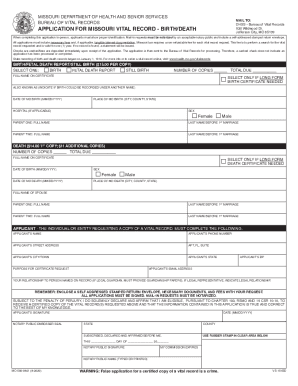
Different jurisdictions may use specific formats or templates for car accident reports, which might include slight variations in terminology or required information. It's important to ensure that the report meets the legal standards of the relevant state:
- State-Specific Formats: Some states provide downloadable templates for accident reports, which can vary based on local laws.
- Common Language and Terms: Understanding and utilizing the correct terminology is vital for ensuring that the report is properly filled and interpreted.
Writing a Car Accident Police Report
Creating a car accident report requires attention to detail and accuracy. Here are steps to effectively write a report:
- Gather Information Immediately: Collect all relevant details at the scene, including contact information of all involved parties.
- Document Observations: Take notes on the location, time, and any notable circumstances during the incident.
- Use Clear Language: Write in a straightforward manner, avoiding technical jargon unless necessary for precision.
- Include Diagrams: When applicable, incorporate diagrams to visually represent the scene and the positions of vehicles.
Effective reporting improves the clarity of facts emerging from the accident and supports involved parties throughout insurance or legal processes.