
Land trust form agreement 2026

Get Form
land trust form Preview on Page 1

Here's how it works

01. Edit your land trust form online
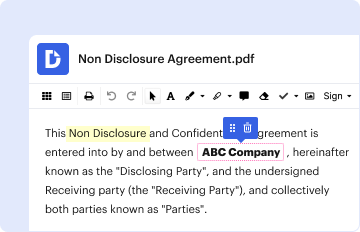
Type text, add images, blackout confidential details, add comments, highlights and more.
02. Sign it in a few clicks
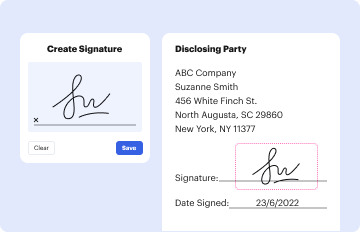
Draw your signature, type it, upload its image, or use your mobile device as a signature pad.
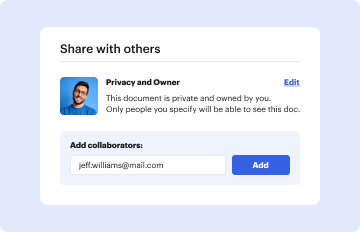
03. Share your form with others
Send it via email, link, or fax. You can also download it, export it or print it out.

How to use or fill out land trust form agreement with our platform

Form edit decoration
9.5
Ease of Setup
DocHub User Ratings on G2
9.0
Ease of Use
DocHub User Ratings on G2
  1. Click ‘Get Form’ to open the land trust form agreement in the editor.
  2. Begin by entering the Grantor's name and address in the designated fields. Ensure accuracy as this information is crucial for legal purposes.
  3. Next, fill in the Grantee's details, including their name and address. This section should mirror the format used for the Grantor.
  4. Proceed to complete the date fields, specifying when the agreement is made. This includes both the date of execution and any relevant trust dates.
  5. In the legal description section, provide a detailed description of the property being transferred. If necessary, refer to Exhibit A for additional information.
  6. Finally, ensure that all signatures are completed where indicated, including those of witnesses and a notary public if required.

Start using our platform today to easily complete your land trust form agreement online for free!

be ready to get more

Complete this form in 5 minutes or less

Get form

Got questions?

We have answers to the most popular questions from our customers. If you can't find an answer to your question, please contact us.
Contact us
This term refers to a Trust agreement that allows Beneficiaries to withdraw $5,000 or 5% of the Trusts assets annually, whichever amount is greater. This tool is designed to provide the Beneficiaries with a certain level of flexibility and control over the Trust, without compromising its overall intent or structure.
Writing the trust agreement document Decide on the type of trust agreement you want to create; revocable or irrevocable. Consult a lawyer to make sure you are complying with the applicable state laws. Outline the purpose of the trust agreement. List the trustee, the settlor, and the beneficiaries.
Setting up a trust: 5 steps for grantor Decide what assets to place in your trust. Identify who will be the beneficiary/beneficiaries of your trust. Determine the rules of your trust. Select your trustee or (trustees). Draft your trust document with an attorney.
A Trust Agreement or Living Trust is a legal, written agreement that creates a new entity similar to a corporation. This new entity can own, hold, sell and otherwise transfer property just like a living person. One benefit of the Trust is that it continues living even after its creators (trustors) pass away.
First, the grantor works with an attorney who writes the trust document based on the grantors wishes for the distribution of specific assets. The grantor then chooses a responsible individual or firm to serve as trustee holding and administering the assets for the benefit of the beneficiary.

Security and compliance

At DocHub, your data security is our priority. We follow HIPAA, SOC2, GDPR, and other standards, so you can work on your documents with confidence.

Learn more
ccpa2
pci-dss
gdpr-compliance
hipaa
soc-compliance

People also ask

A Florida land trust separates legal title and equitable ownership of a parcel of land. The land trust beneficiary is the individual who establishes the land trust and who contributes or borrows money to acquire the property. The land trust beneficiary is the economic owner of the property.
Still, lets overview some of the most common disadvantages of trusts and how Dominion overcomes them for your benefit. Loss of Control. Loss of Asset Access. Cost. Recordkeeping Complexity. High Need for Competency.
Contents List your assets and decide which youll include in the trust. Gather the paperwork. Decide whether you will be the sole grantor. Choose beneficiaries. Choose a successor trustee. Choose someone to manage property for minor children. Prepare the trust document. Sign and docHub.

Related links