Definition and Meaning of Revocation Gift
A revocation gift refers to the legal act of rescinding or canceling a previously made gift. This process is significant in various contexts, such as estate planning or the transfer of assets. When an individual decides to revoke a gift, they are essentially communicating their intention to reverse the change in ownership of the asset that was previously given. This could involve personal property, real estate, or other valuable items. Revocation can occur for various reasons, including changes in financial circumstances or the desire to redirect assets to different beneficiaries.
Legal Terminology Related to Revocation Gift
- Donor: The individual who gives the gift.
- Donee: The recipient of the gift.
- Gift Deed: A legal document that formalizes the transfer of ownership from the donor to the donee. Revocation may require creating a formal document that outlines the intent to cancel the gift.
- Declarant: A person who states a wish to revoke a gift, often through a legal declaration.
Understanding these terms is essential for anyone involved in the process of revocation, as they clarify the roles and responsibilities of each party.
Steps to Complete the Revocation Gift
Revoking a gift involves several steps to ensure that the process is legally binding and effective. Each step must be followed meticulously to avoid misunderstandings or disputes.
- Review the Original Gift: Examine the original gift deed to understand any terms or conditions associated with it.
- Determine the Method of Revocation: Revocation can be done verbally, but a written statement is recommended. A written revocation provides a clear record of the donor's intent.
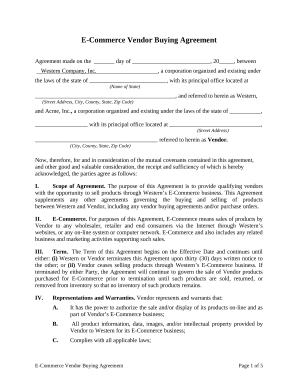
- Draft a Revocation Document: Create a formal document stating the intention to revoke the gift. This document may need to be signed and notarized, depending on local laws.
- Notify the Donee: Inform the recipient of the gift about the revocation. This can be done in person or via certified mail to maintain a record of notification.
- File Necessary Documents: Depending on the type of gift (particularly real estate), file the revocation document with the appropriate county or state office to make the revocation public.
Important Considerations
- Legal Advice: Consulting with an attorney specializing in estate planning or gift law may be beneficial to ensure compliance with state laws.
- State-Specific Regulations: Be aware that revocation procedures can vary by state, so it is essential to familiarize yourself with local laws.
Who Typically Uses the Revocation Gift?
The revocation of gifts is a common practice among various individuals and entities, particularly in the following scenarios:
- Individuals: Donors who wish to alter their estate plans or change beneficiaries due to personal or financial changes.
- Families: In cases where gifts were made in the past but circumstances have shifted, such as divorce or estrangement.
- Trustees: Individuals managing a trust may need to revoke gifts made in the context of estate planning.
- Business Partners: In partnerships, gifts of assets or interests may need to be revoked due to business restructuring or changes in partnership agreements.
Understanding the demographics and motivations behind revoking gifts helps to contextualize the legal implications of this action.


Legal Use of the Revocation Gift
The legal framework surrounding the revocation of gifts is crucial to ensure that the process is recognized and enforceable. The following points outline the legal use of a revocation gift:
- Adherence to State Laws: Each state has specific regulations regarding the revocation of gifts. Familiarity with these laws is essential; for instance, some states require that a written revocation be filed for real estate transactions.
- Formal Documentation: A revocation gift must typically be documented in writing to be legally binding. This document should include details about the original gift, the donor's intent to revoke, and signatures from the donor and any witnesses if necessary.
- Age of Declaration: The donor must be of legal age and sound mind when making the revocation. This ensures that the decision is made voluntarily and without coercion.
Legal compliance is vital to prevent future disputes and maintain the integrity of the revocation process.
Important Terms Related to Revocation Gift
Understanding specific legal terms is essential for effectively navigating the revocation gift process. Key terms include:
- Revocation: The act of canceling a previously made offer or gift.
- Donor Intent: The original intention of the donor at the time of the gift, which can provide context for the revocation.
- Witness Signatures: Depending on the state, having witnesses sign the revocation may be necessary to validate the document.
- Document Integrity: Ensuring that all documents are complete, accurate, and securely filed as part of the legal process.
These terms form the foundation for discussions surrounding revocation gifts and contribute to a clearer understanding of the legal landscape.
Examples of Using the Revocation Gift
Examples illustrate the practical application of revocation gifts in various scenarios. Understanding these examples can help clarify the concept and demonstrate its relevance.
- Revocation of Real Estate Gifts: A parent who transferred property to a child as a gift may choose to revoke that gift if circumstances change, such as the child’s financial instability. This may involve drafting a revocation deed and filing it with the county office.
- Cancellation of Personal Property Gifts: An individual may decide to revoke a gift of jewelry previously given to a friend when personal circumstances decline, necessitating a change in asset distribution.
- Changing Beneficiaries in Estate Planning: Upon the birth of a new child, a grandparent may choose to revoke a gift previously made to an older grandchild, redistributing assets to include the new addition.
Real-world scenarios like these highlight the practical implications of revocation gifts and the various contexts in which they are applied.