From trust to individual 2026

Get Form
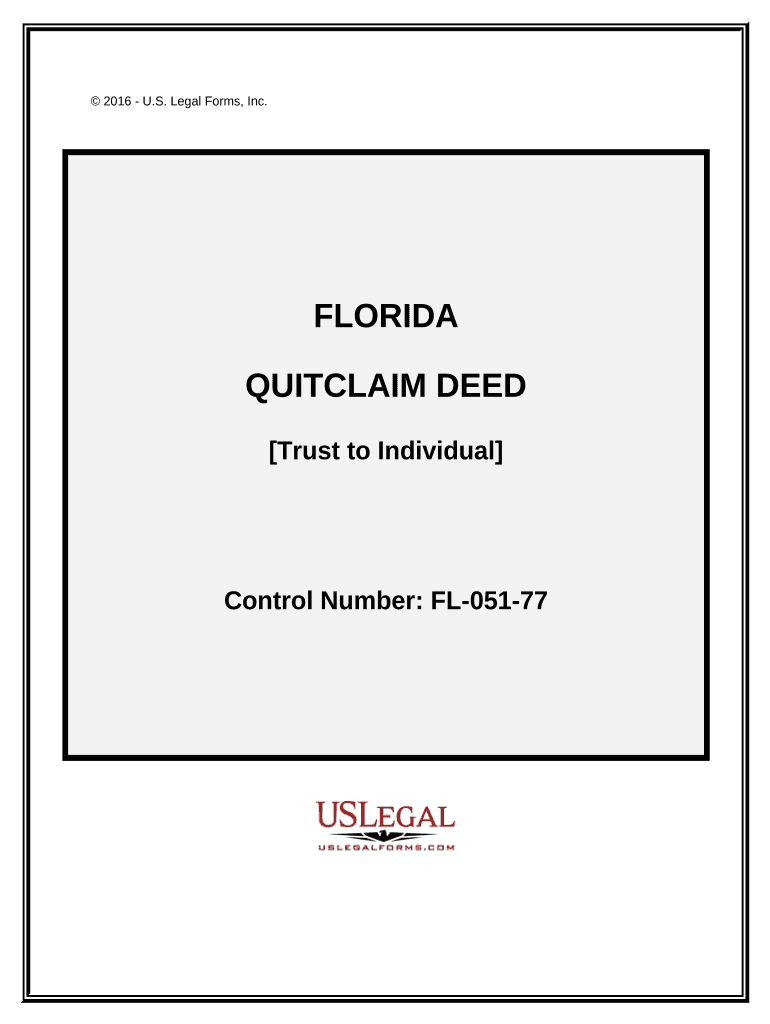
from trust to individual Preview on Page 1

Here's how it works

01. Edit your form online
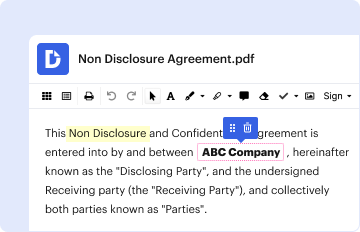
Type text, add images, blackout confidential details, add comments, highlights and more.
02. Sign it in a few clicks
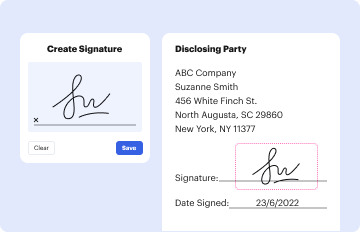
Draw your signature, type it, upload its image, or use your mobile device as a signature pad.
03. Share your form with others
Send it via email, link, or fax. You can also download it, export it or print it out.

How to use or fill out from trust to individual with our platform

Form edit decoration
9.5
Ease of Setup
DocHub User Ratings on G2
9.0
Ease of Use
DocHub User Ratings on G2
  1. Click ‘Get Form’ to open the Quitclaim Deed in the editor.
  2. Begin by entering the date of the deed at the top of the form. This is crucial for legal documentation.
  3. In the 'Grantor' section, input the name of the Trustee and details of the Trust Agreement, including its date and Trust number.
  4. Next, fill in the 'Grantee' section with the recipient's name and address. Ensure accuracy for proper identification.
  5. Specify the consideration amount in dollars that is being exchanged for the property.
  6. Provide a detailed legal description of the property being transferred. If necessary, refer to Exhibit A for additional information.
  7. Complete witness signatures and notary acknowledgment sections at the bottom of the form to validate your document.

Start using our platform today to streamline your document editing and signing process for free!

be ready to get more

Complete this form in 5 minutes or less

Get form

Got questions?

We have answers to the most popular questions from our customers. If you can't find an answer to your question, please contact us.
Contact us
A special rule also applies in the case of a discretionary will trust so that there will be no IHT exit charge on distributions within two years of the settlors death. Instead its treated for IHT as having been made by the deceased at the time of their death.
A trust is a legal entity with separate and distinct rights, similar to a person or corporation. In a trust, a party known as a trustor gives another party, a trustee, the right to hold title to and manage property or assets for the benefit of a third party, the beneficiary.
If youre dealing with a home or real estate held in a trust, heres how to transfer the title to a new owner: Verify Trust Authority. Ensure the person acting has authority as successor trustee. Prepare the Trustees Deed. Get the Deed docHubd. Complete a Preliminary Change of Ownership Report (PCOR) Record the Deed.
Changes to an Irrevocable Trust The trustee and any named beneficiaries would need to agree to a change mutually. They would need to decide that removing assets would best serve the trust and would need to go to court to explain the reasoning. Even then, the assets could not come back to you directly.
A gift in trust is an estate planning tool that allows someone (the grantor) to transfer assets to a beneficiary indirectly by placing them in a trust. Instead of giving the gift outright, the grantor sets conditions for how and when the beneficiary can access the assets.

Security and compliance

At DocHub, your data security is our priority. We follow HIPAA, SOC2, GDPR, and other standards, so you can work on your documents with confidence.

Learn more
be ready to get more

Complete this form in 5 minutes or less

Get form

People also ask

A beneficiary is absolutely entitled to an asset of a trust if they have a vested and indefeasible interest in the entire trust asset that is, they can direct the trustee to immediately transfer the asset to themselves or to someone else.
Trusts may be revocable or irrevocable. A revocable trust (sometimes known as a living trust) allows trustees to easily transfer assets and property into and out of the trust, but an irrevocable trust is less flexible. In general, assets placed into an irrevocable trust must remain there until a court dissolves it.

Related links