Small Business Accounting Package - District of Columbia 2026

Get Form
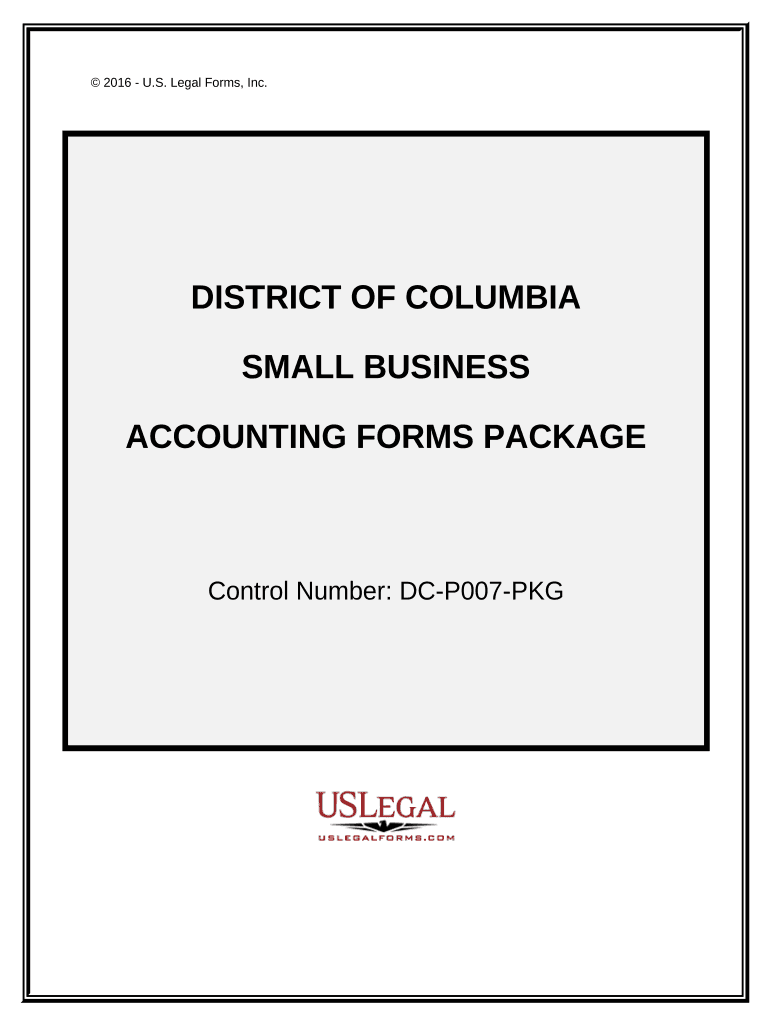
Small Business Accounting Package - District of Columbia Preview on Page 1

Here's how it works

01. Edit your form online
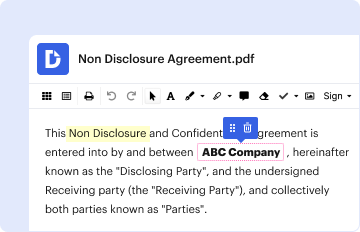
Type text, add images, blackout confidential details, add comments, highlights and more.
02. Sign it in a few clicks
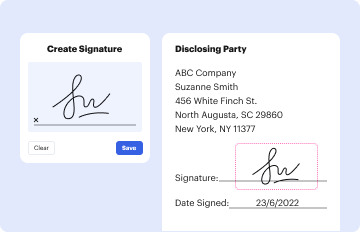
Draw your signature, type it, upload its image, or use your mobile device as a signature pad.
03. Share your form with others
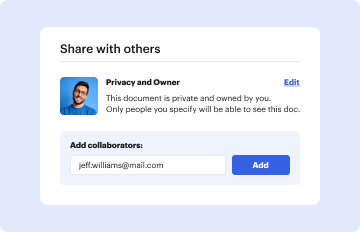
Send it via email, link, or fax. You can also download it, export it or print it out.

How to use or fill out Small Business Accounting Package - District of Columbia

Form edit decoration
9.5
Ease of Setup
DocHub User Ratings on G2
9.0
Ease of Use
DocHub User Ratings on G2
  1. Click ‘Get Form’ to open it in the editor.
  2. Begin with the Profit and Loss Statement. Enter your total revenues and expenses in the designated fields to assess your business's financial performance.
  3. Next, navigate to the Aging Accounts Payable form. Use this table to input account details, ensuring you track overdue payments effectively.
  4. Proceed to the Balance Sheet Deposit. Fill in your monthly deposit entries, comparing them across different periods for better financial oversight.
  5. For Cash Disbursements and Receipts, record any cash transactions made. Ensure accuracy by cross-referencing with your receipts.
  6. Complete the Check Request form by specifying the purpose and amount needed for checks issued.
  7. Utilize the Daily Accounts Receivable form to log daily payments received, helping you maintain an up-to-date accounts receivable status.
  8. Finally, summarize your yearly expenses using the Yearly Expenses Report and track quarterly expenses with the Yearly Expenses by Quarter form.

Start using our platform today for free to streamline your Small Business Accounting Package!

be ready to get more

Complete this form in 5 minutes or less

Get form

Got questions?

We have answers to the most popular questions from our customers. If you can't find an answer to your question, please contact us.
Contact us
Financial Planning Budgeting A CPA is worth their weight in gold in helping startup businesses create a budget, manage and plan for expenses, establish financial goals, and accurately forecast revenue. This sets the stage for how you can expect your company to proceed financially.
Although not necessarily required for your small business, the advice provided by a qualified CPA could optimize your tax strategy and change your business for the better. On the other hand, the cost for a CPAs expertise may outweigh its value.
For smaller businesses, monthly accounting fees can start at under 50. Sole traders can expect to pay between 100 and 150, start-upstart up businesses typically incur fees of 300 to 400, and established businesses may face costs ranging from 500 to 1,000.
CPA Costs by State StateAverage Hourly RateMonthly Retainer (Standard) California $350 $500 $1,000 $2,500+ New York $300 $450 $900 $2,000 Florida $200 $350 $750 $1,500 Texas $200 $375 $800 $1,8006 more rows
Compare the Best Accounting Software for Small Business CompanyBest forMobile App QuickBooks Online Best Overall Y Zoho Books Free Software Y Xero Micro-Businesses Y FreshBooks Service-Based Businesses Y1 more row

Security and compliance

At DocHub, your data security is our priority. We follow HIPAA, SOC2, GDPR, and other standards, so you can work on your documents with confidence.

Learn more
ccpa2
pci-dss
gdpr-compliance
hipaa
soc-compliance

People also ask

The cost of an accountant for a small business typically ranges from $1,000 to $5,000 per year, with hourly rates averaging $50 to $400. Monthly accounting services can cost between $500 and $2,000.

Related links