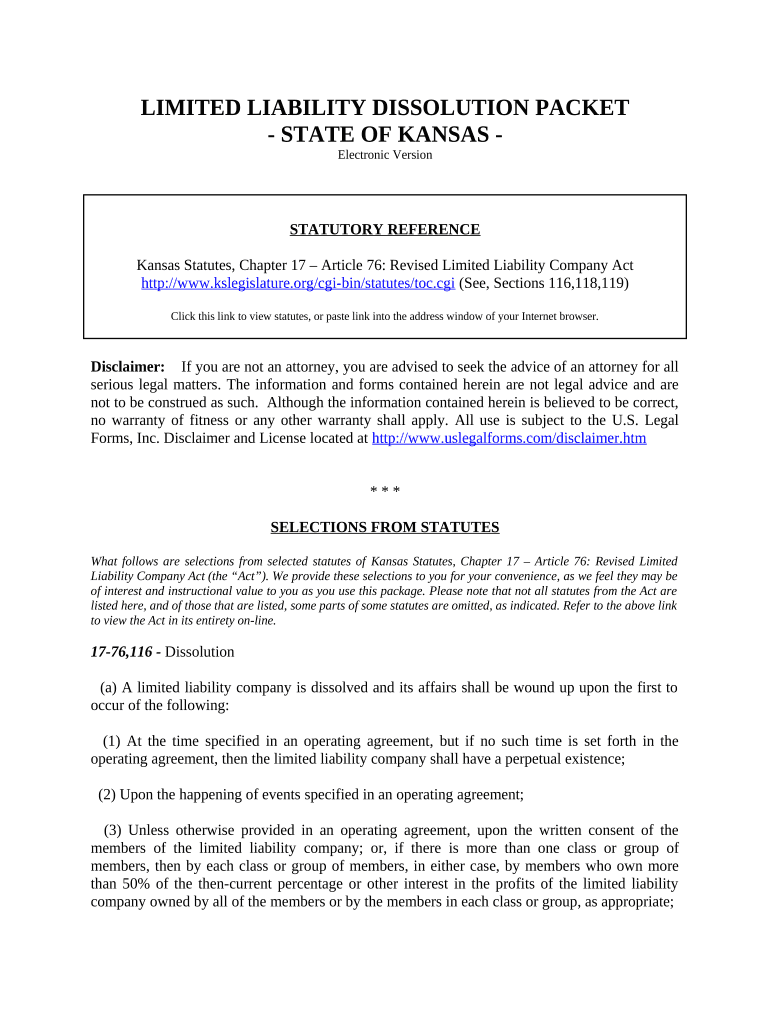







Definition & Meaning
Kansas LLCO refers to the process of formally establishing a limited liability company (LLC) in the state of Kansas. This business structure offers flexibility and protection for its owners, combining the liability protection of a corporation with the tax efficiencies and operational flexibility of a partnership. LLCs are popular among small business owners for their simplicity and limited liability advantages, allowing members to protect their personal assets from business debts and liabilities.
Characteristics of Kansas LLC
- Limited Liability: Members are not personally liable for the debts and obligations of the LLC.
- Tax Flexibility: LLCs can choose to be taxed as a sole proprietorship, partnership, or corporation.
- Operational Flexibility: Fewer formalities and paperwork compared to corporations.
Steps to Complete the Kansas LLC
- Choose a Name: The name must be unique and include "Limited Liability Company," "LLC," or a similar abbreviation.
- Appoint a Registered Agent: This agent must have a physical address in Kansas and be available during business hours to receive legal documents.
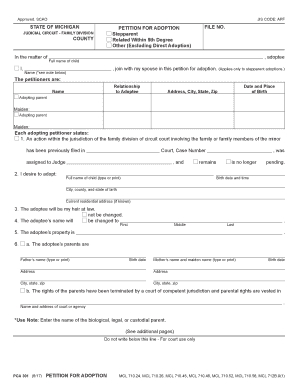
- File the Articles of Organization: Submit this with the Kansas Secretary of State to legally form the LLC.
- Create an Operating Agreement: Although not mandatory, it governs the LLC's operations and ownership structure.
- Obtain an EIN: Required for tax purposes, the Employer Identification Number is issued by the IRS.
- Comply with State Requirements: Ensure all local licenses, permits, and regulations are met.
Required Documents
Standard documents necessary for forming an LLC in Kansas include the Articles of Organization, Operating Agreement, and the filing fee submission. The Articles of Organization indicate the basic details of the LLC, such as its name, address, and members. The Operating Agreement, while not obligatory, helps define the governance and financial arrangements among the LLC members. Additionally, obtaining an EIN from the IRS is required to manage federal taxes and open a business bank account.
Articles of Organization
- Lists LLC’s official name and location.
- Names of its initial members or managers.
- Filing fee payment details.
State-Specific Rules for the Kansas LLC
Kansas has specific regulations for LLCs that differ from other states. The state requires LLCs to file an Annual Report each year. This report includes information about the LLC’s operations, its current registered office, and registered agent. Kansas also mandates LLCs to keep certain records, which include the Articles of Organization, any amendments to the agreement, and financial records. An LLC’s name must also conform to state standards prohibiting certain misleading terms or phrases.
Legal Use of the Kansas LLC
Using a Kansas LLC legally involves adhering to the state and federal regulations governing business operations. This includes maintaining proper records, filing necessary reports, and complying with tax obligations. Legal uses also entail setting up the LLC for legitimate business activities, maintaining separation between personal and business finances, and ensuring the LLC does not engage in fraudulent or illegal activities.
Compliance Obligations
- Annual Report Filing: Required for keeping the LLC in good standing.
- Business Licenses and Permits: Depending on your industry and location.
- Tax Filings: Handled according to the IRS guidelines applicable to your chosen taxation method.
Penalties for Non-Compliance
Kansas imposes penalties for failing to meet the legal and tax filing requirements of an LLC. Failure to timely file the Annual Report may result in late fees and the risk of the LLC being administratively dissolved. If dissolution occurs, the LLC loses its legal standing and the limited liability benefits for its members. Additionally, non-compliance with tax obligations can result in fines, interest charges, and personal liability.
Business Entity Types (LLC, Corp, Partnership)
Understanding the differences between business entity types helps in determining the best fit for specific operational and tax needs. LLCs offer flexibility and limited liability, while corporations provide more structure and potential for larger growth. Partnerships, conversely, are easy to establish with a focus on operational resilience. Each entity type has its own unique advantages and considerations.
Characteristics of Different Business Entities
- LLC: Limited liability, operational flexibility, tax options.
- Corporation: Limited liability, easier access to capital, more regulatory requirements.
- Partnership: Simplified tax filing, shared responsibilities, joint liability.
Taxpayer Scenarios
Kansas LLCs cater to various taxpayer scenarios, which include self-employed individuals, small business owners, and group ventures. These scenarios require an understanding of how LLCs can be taxed in different ways—either as a sole proprietorship or partnership for flexibility, or as a corporation for specific tax advantages. Choosing the right taxation method can lead to significant tax benefits.


Example Taxpayer Scenarios
- Self-Employed: May benefit from sole proprietorship taxation.
- Multiple Owners: Opt for partnership taxation for pass-through taxation benefits.
- Growth-Focused Businesses: Consider corporate taxation for reinvested profits.

Key Elements of the Kansas LLC
Establishing a Kansas LLC involves several key elements, each of which plays a crucial role in the effective operation and compliance of the entity. These elements include properly designating roles within the LLC, keeping a clear separation of personal and business finances, and ensuring consistent documentation and record-keeping. Understanding these key elements is essential for leveraging the benefits of limited liability and operational flexibility.
Role Designation and Operational Clarity
- Members and Managers: Identify participants in the LLC and their roles.
- Financial Management: Implement an appropriate accounting system for the LLC.
- Documentation: Maintain official records and meeting minutes.
By adhering to these guidelines, LLC members can ensure their business complies with Kansas regulations, optimizes its tax position, and maintains its good standing in the state.