Indiana landlord in 2026

Get Form
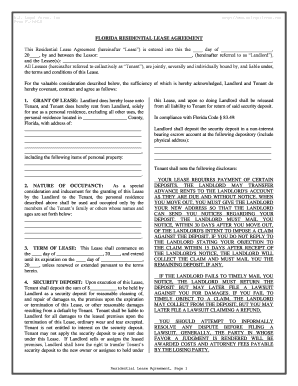
indiana landlord tenant law pest control Preview on Page 1

Here's how it works

01. Edit your indiana landlord tenant law pest control online
Type text, add images, blackout confidential details, add comments, highlights and more.
02. Sign it in a few clicks
Draw your signature, type it, upload its image, or use your mobile device as a signature pad.
03. Share your form with others
Send it via email, link, or fax. You can also download it, export it or print it out.

How to use or fill out Indiana Landlord Notice with our platform

Form edit decoration
9.5
Ease of Setup
DocHub User Ratings on G2
9.0
Ease of Use
DocHub User Ratings on G2
  1. Click ‘Get Form’ to open the Indiana Landlord Notice in the editor.
  2. Begin by entering the date at the top of the form. This is crucial for record-keeping and legal purposes.
  3. Fill in the Tenant’s Name and Address of Premises. Ensure accuracy to avoid any confusion regarding the notice.
  4. In the body of the notice, clearly state the violation concerning waste disposal as per your Residential Lease Agreement. Be specific about what needs correction.
  5. Provide details about the unclean conditions that must be addressed by the tenant. This section should outline specific issues to ensure clarity.
  6. Sign the document in the designated area, either as a landlord or authorized agent, to validate your notice.
  7. Select how you will deliver this notice to the tenant by checking one of the options provided under 'Proof of Delivery'.

Start using our platform today for free to streamline your document editing and signing process!

be ready to get more

Complete this form in 5 minutes or less

Get form

Got questions?

We have answers to the most popular questions from our customers. If you can't find an answer to your question, please contact us.
Contact us
Any of the following actions taken by a landlord in response to a tenants engaging in a protected activity would be a retaliatory act: (1) increasing the amount of the tenants rent, (2) decreasing, terminating, or interfering with services provided to the rental premises, (3) bringing or threatening to bring an
Indiana is often viewed as a landlord-friendly state, especially when it comes to property management, eviction procedures, and how security deposits are handled.
Tenants have obligations under this privacy statute as well. Tenants are not allowed to deny their landlord access to the property if the landlord needs to inspect the property, make agreed-to repairs, supply agreed-to services, or allow other prospective renters or buyers of the property to tour the unit.
You can also fill out an online request for assistance at ilsintake.net. The Indianapolis Legal Aid Society offers advice and, in some cases, help with landlord-tenant disputes. ​ Call 317-635-9538 from 9 a.m. to 5 p.m., Monday through Friday, or indylas.org for more information.
If a landlord does not have cause to evict a tenant, then the landlord must wait until the end of the term of the lease or rental agreement before expecting the tenant to move. If the tenant is month-to-month, the landlord will need to provide the tenant with notice.

Security and compliance

At DocHub, your data security is our priority. We follow HIPAA, SOC2, GDPR, and other standards, so you can work on your documents with confidence.

Learn more
ccpa2
pci-dss
gdpr-compliance
hipaa
soc-compliance

People also ask

After notice, landlords must file an eviction lawsuit in the relevant county court and pay any filing fees. From here, it takes anywhere from 10 to 90 days from the issuance of the notice for the tenant to vacate. For monthly leases, a 30-day notice is required. Yearly leases receive a 90-day notice.
Evictions in Indiana require court involvement. A landlord cannot forcibly remove you without a court order. Once an eviction notice is given and the tenant fails to comply, the landlord must file a lawsuit. Both parties will then present their cases in court.

Related links