Deed trust form 2026

Get Form
deed trust form Preview on Page 1

Here's how it works

01. Edit your form online
Type text, add images, blackout confidential details, add comments, highlights and more.
02. Sign it in a few clicks
Draw your signature, type it, upload its image, or use your mobile device as a signature pad.
03. Share your form with others
Send it via email, link, or fax. You can also download it, export it or print it out.

How to use or fill out deed trust form with our platform

Form edit decoration
9.5
Ease of Setup
DocHub User Ratings on G2
9.0
Ease of Use
DocHub User Ratings on G2
  1. Click ‘Get Form’ to open the deed trust form in the editor.
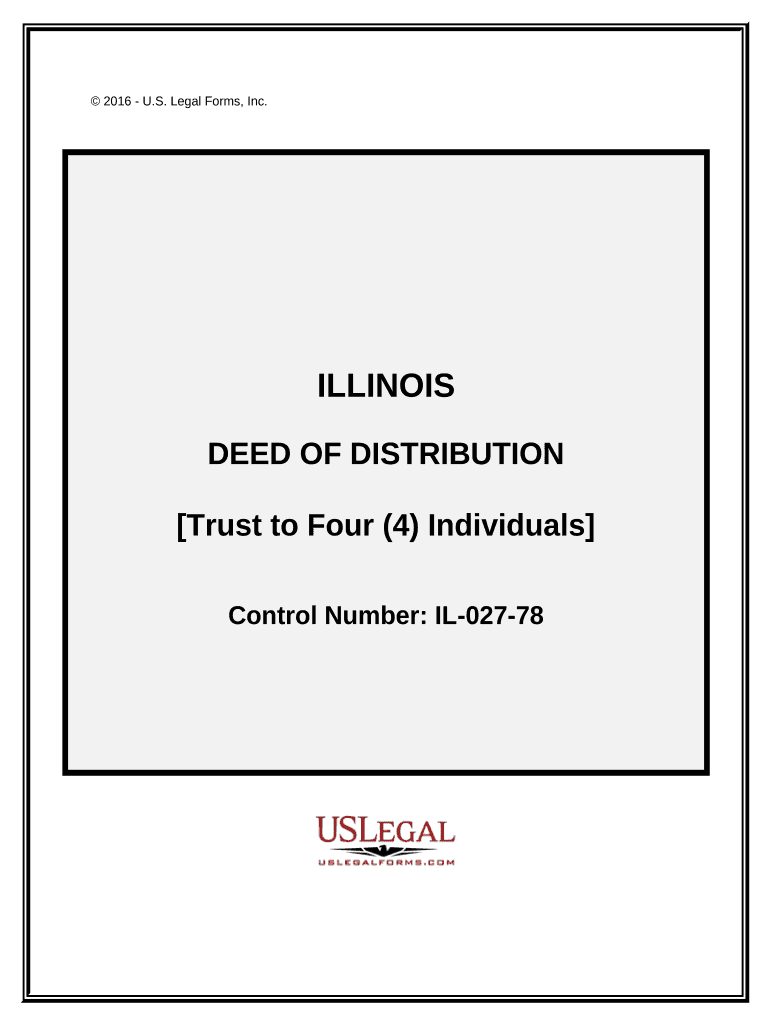
  2. Begin by filling in the Grantor's information, including their name and address. This identifies who is conveying the property.
  3. Next, specify the Grantees' details. Enter the names and addresses of all individuals receiving the property.
  4. Indicate how the Grantees will hold the property by selecting either 'Tenants in Common' or 'Joint Tenants with Right of Survivorship'.
  5. Complete the legal description of the property being conveyed. Ensure accuracy to avoid future disputes.
  6. Finally, have the Grantor sign and date the document. If required, include a notary's acknowledgment for validation.

Start using our platform today to easily complete your deed trust form online for free!

be ready to get more

Complete this form in 5 minutes or less

Get form

Got questions?

We have answers to the most popular questions from our customers. If you can't find an answer to your question, please contact us.
Contact us
In most circumstances, the lender will provide the borrower with a copy of the Deed of Trust, while the originals are mailed to the grantee after recording. Many county clerk and recorder offices will provide copies of this document for a small search and print fee.
Importance Of A Trustee Deed Trust deeds are pivotal in trust administration. They serve as a blueprint for the Trusts operation, guiding the Trustee in their duties and safeguarding the interests of beneficiaries.
deed of trust A deed of trust involves three parties: a lender, a borrower, and a trustee. Usually, the trustee is a title company. Deeds of trust almost always include a power-of-sale clause, which allows the trustee to conduct a non-judicial foreclosure - that is, sell the property without first getting a court order.
A major advantage of deeds of trust is the faster nonjudicial foreclosure process they allow, compared to mortgages. Though less common, deeds of trust still serve as alternatives to mortgages in several states.

Security and compliance

At DocHub, your data security is our priority. We follow HIPAA, SOC2, GDPR, and other standards, so you can work on your documents with confidence.

Learn more
ccpa2
pci-dss
gdpr-compliance
hipaa
soc-compliance