

Notice of Default in Payment of Rent as Warning Prior to Demand to Pay or Terminate for Residential Property - California 2026

Get Form
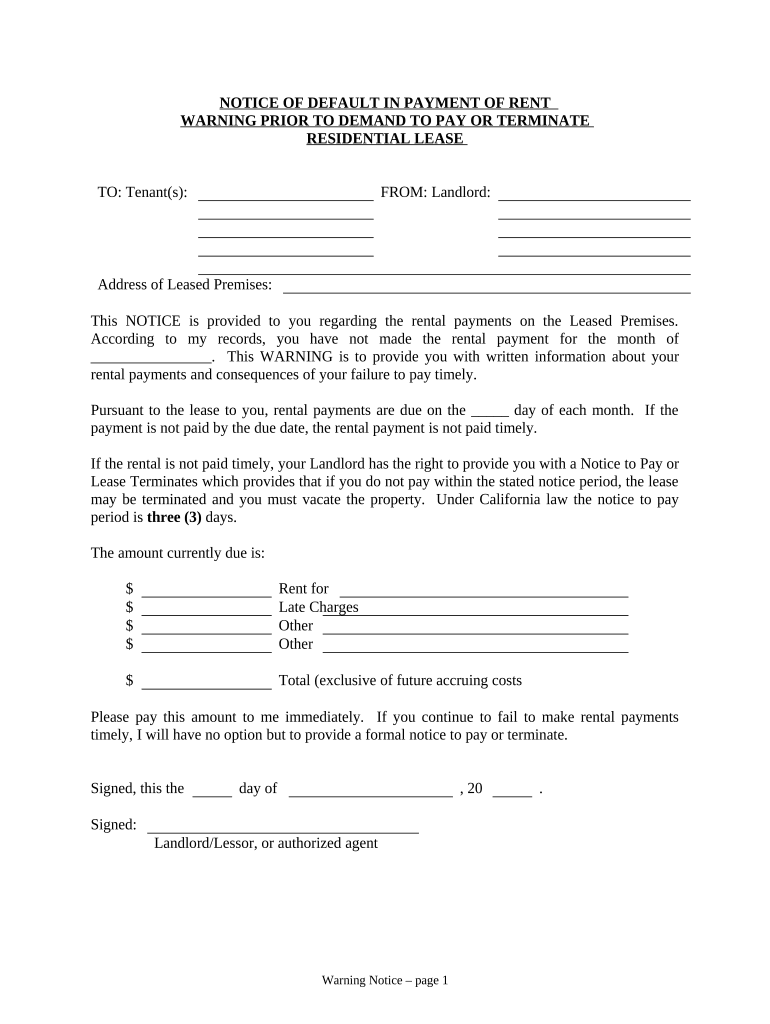
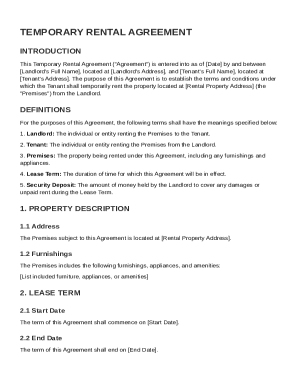
Notice of Default in Payment of Rent as Warning Prior to Demand to Pay or Terminate for Residential Property - California Preview on Page 1

Here's how it works

01. Edit your form online
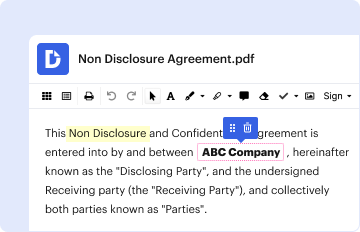
Type text, add images, blackout confidential details, add comments, highlights and more.
02. Sign it in a few clicks
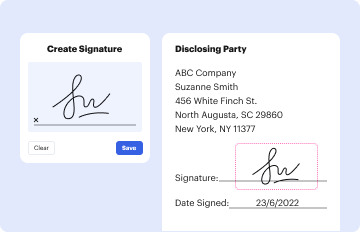
Draw your signature, type it, upload its image, or use your mobile device as a signature pad.
03. Share your form with others
Send it via email, link, or fax. You can also download it, export it or print it out.

How to use or fill out Notice of Default in Payment of Rent as Warning Prior to Demand to Pay or Terminate for Residential Property - California

Form edit decoration
9.5
Ease of Setup
DocHub User Ratings on G2
9.0
Ease of Use
DocHub User Ratings on G2
  1. Click ‘Get Form’ to open it in the editor.
  2. Begin by entering the tenant's name(s) in the designated 'TO' field. This ensures that the notice is correctly addressed.
  3. In the 'FROM' section, input your name as the landlord along with any authorized agent details if applicable.
  4. Fill in the address of the leased premises where the tenant resides. This is crucial for clarity and legal purposes.
  5. Specify the month for which rent has not been paid in the blank space provided. This highlights the specific payment issue.
  6. Indicate the due date for rental payments in the appropriate field, reinforcing when payments are expected according to your lease agreement.
  7. List all amounts due, including rent, late charges, and any other fees. Ensure accuracy as this total will be critical for both parties.
  8. Sign and date the notice at the bottom to validate it before sending it to your tenant.
  9. Complete the 'Proof of Delivery' section by selecting how you delivered this notice (hand, mail, or posting) and provide your signature and printed name.

Start using our platform today to easily fill out and manage your Notice of Default forms online for free!

be ready to get more

Complete this form in 5 minutes or less

Get form

Got questions?

We have answers to the most popular questions from our customers. If you can't find an answer to your question, please contact us.
Contact us
The statute of limitations sets an effective deadline for landlords to pursue unpaid rent payments through the court system. The specific timeframe varies by state but generally ranges from 3 to 6 years. Depending on the state, the period could last up to 10 years.
In many cases, paying rent after an eviction notice has been issued might help prevent the eviction process from proceeding. Still, it often depends on how far along you are in the eviction process.
Even though California law does not require landlords to have a payment grace period, most landlords typically accept rent until the 4th of the month without penalty. If the fourth day falls on a weekend or holiday, the rent is due on the next business day.
If there are serious rent arrears (for example, at least 2 months arrears where rent is due monthly) then the granting of a possession order by the Court is mandatory where the tenant does not vacate within the period specified in the notice.
To evict you, your landlord must give you a 3, 30, 60 or 90-day notice. If you get one of these, its important that you take action, like pay the rent you owe, move out, or get legal help.

Security and compliance

At DocHub, your data security is our priority. We follow HIPAA, SOC2, GDPR, and other standards, so you can work on your documents with confidence.

Learn more
ccpa2
pci-dss
gdpr-compliance
hipaa
soc-compliance

People also ask

Defaulting on a lease means failing to fulfill your responsibilities as outlined in the agreement. This could involve missed rent payments or violating other terms, like subletting without permission. Defaulting on a lease often leads to legal consequences, including eviction.

Related links