
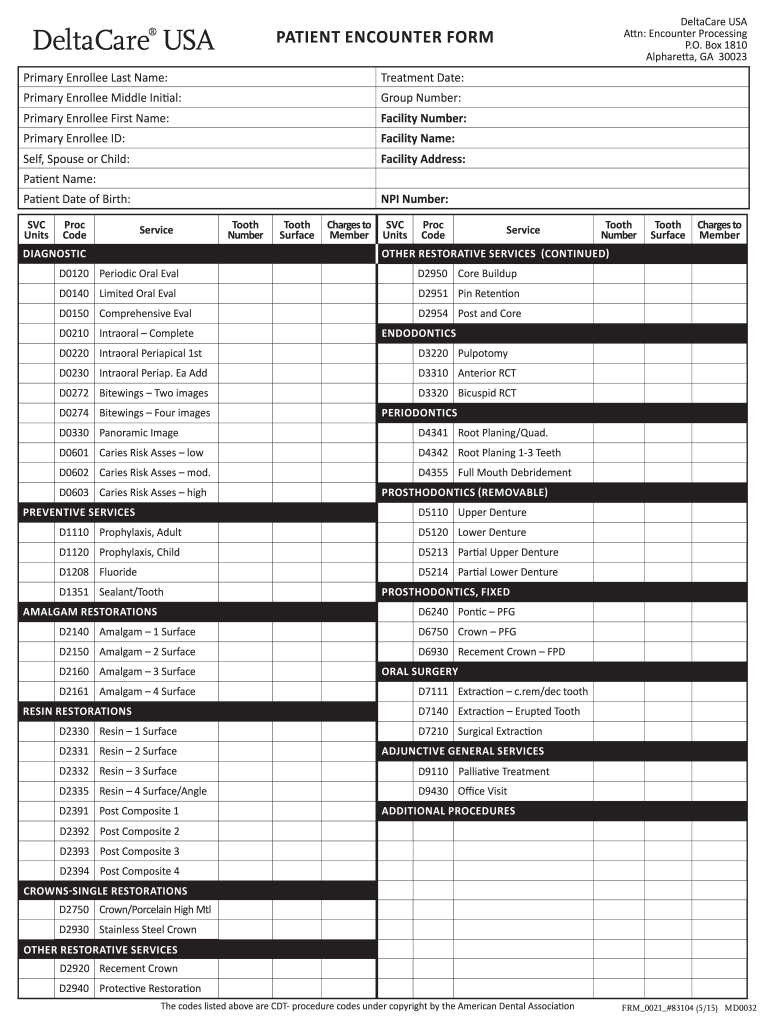







Definition and Purpose of the Dental Superbill
A dental superbill serves as an important tool in dental practice management, acting as an itemized invoice that outlines services rendered to patients. It contains crucial details such as patient information, treatment dates, codes for specific procedures, and associated charges, all essential for billing insurance providers. The primary purpose is to facilitate effective communication between dental practices and insurance companies, ensuring that claims are processed accurately and promptly.
Key components of a dental superbill include:
- Patient Information: Names, contact details, and insurance information.
- Procedure Codes: Standardized codes that correspond to dental services provided.
- Charges: The cost for each procedure outlined for billing purposes.
By maintaining an organized dental superbill, practices streamline billing processes, reducing delays in payments and minimizing potential denials from insurance providers.
Steps to Complete the Dental Superbill
Filling out a dental superbill requires careful attention to detail. Follow these steps to ensure accuracy:
- Gather Patient Information: Start with complete patient details, including full name, date of birth, contact information, and insurance details.
- Document Services Rendered: List all treatments and procedures performed during the patient visit. Ensure that all services are correctly coded with the appropriate Current Dental Terminology (CDT) codes.
- Include Treatment Dates: Mark the dates on which the services were provided. This is critical for insurance claims that often require a timeline of events.
- Specify Charges: Write down the fees associated with each service. This section must accurately reflect the practice's standard rates.
- Sign and Date the Form: The dental professional should sign the superbill, indicating that the information provided is accurate, which is essential for compliance with insurance requirements.
Accurate completion of these steps ensures that claims are submitted without errors, decreasing the likelihood of delays in reimbursements.
Key Elements of a Dental Superbill
A comprehensive dental superbill includes several key elements that serve various functions in the billing process:
- Header Information: This section typically includes the practice name, address, phone number, and tax identification number.
- Patient Demographics: Essential for both record-keeping and billing, this includes the patient's name, date of birth, and insurance provider details.
- Procedure Codes: Use standardized codes such as CDT codes, which allow for uniformity across practices and insurance companies.
- Description of Services: Each coded procedure should have a corresponding description, providing clarity on the services.
- Total Amount Charged: This is the final summation of all charges associated with the services rendered.
Each of these elements plays a pivotal role in making the billing process smoother while ensuring that insurance claims are adequately supported.
Important Terms Related to Dental Superbill
Understanding specific terminology associated with the dental superbill helps streamline administrative tasks:
- Current Dental Terminology (CDT): A set of codes that are used to identify dental procedures.
- Explanation of Benefits (EOB): A statement from the insurance company detailing the services claimed, amount covered, and reasons for any denials or reductions.
- Claims Processing: The procedure that insurance companies follow to evaluate and pay claims submitted through superbills.
- Participating Provider: A dental provider that has a contractual agreement with an insurance company to provide services at a negotiated rate.
Familiarity with these terms can enhance communication within the dental practice and with insurance providers, contributing to more efficient operations.
Who Typically Uses the Dental Superbill?
A dental superbill is utilized by various professionals and parties within the healthcare billing ecosystem:
- Dental Practitioners: Dentists and dental assistants use the superbill to document services provided to patients.
- Reception Staff: Administrative staff rely on its accuracy for patient billing and communication with insurance companies.
- Insurance Billers: They use the superbill to submit claims to insurance providers, seeking reimbursement for services rendered.
- Accountants and Financial Professionals: Ensure that the billing practices align with regulatory standards and help manage financial records within the dental practice.
Each group plays a crucial role in the overall billing process, highlighting the importance of accurate superbill data for seamless operations.


Legal Use of the Dental Superbill
The legal use of a dental superbill is governed by several key considerations:
- Compliance with Healthcare Regulations: Dental practitioners are required to comply with state and federal regulations when billing for services. Utilizing a dental superbill correctly can help ensure adherence to these regulations.
- Documentation for Insurance Claims: Accurate and complete information within the superbill serves as legal documentation supporting claims made to insurance companies.
- Record Keeping: The superbill also acts as a formal record of services rendered, which can be essential in the event of audits or disputes.
Being aware of these legal aspects ensures that dental practices remain compliant and adequately protected in their billing practices.




