




01. Edit your annex a for pr application online
Type text, add images, blackout confidential details, add comments, highlights and more.

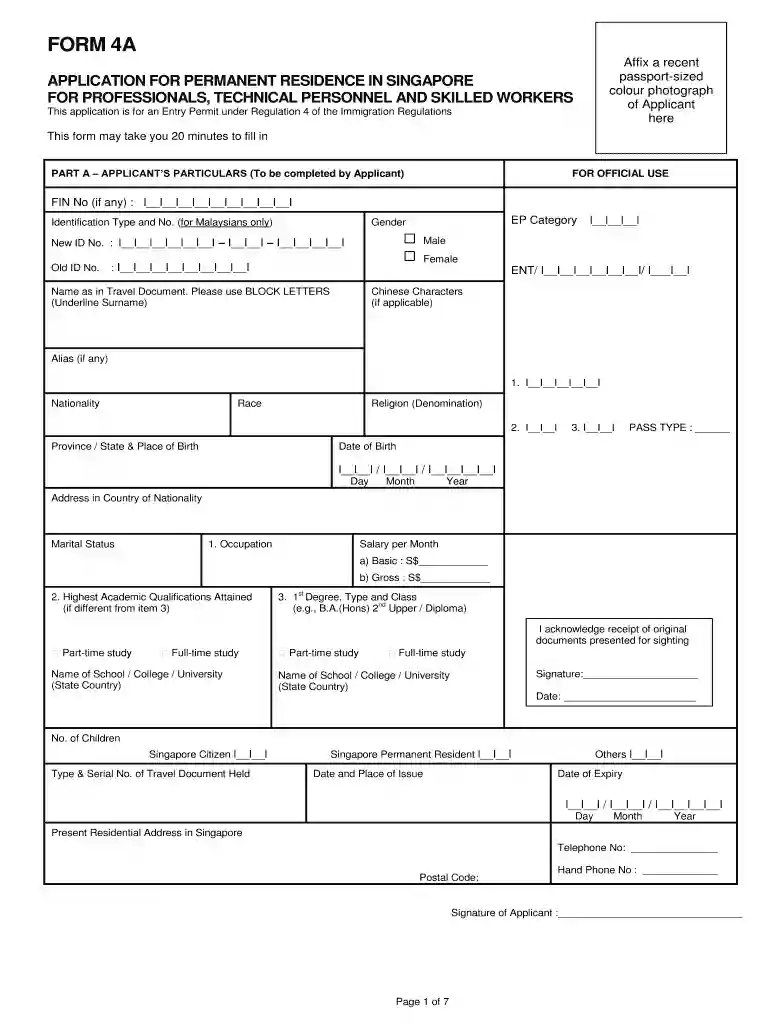
Type text, add images, blackout confidential details, add comments, highlights and more.

Draw your signature, type it, upload its image, or use your mobile device as a signature pad.

Send annex a pr application via email, link, or fax. You can also download it, export it or print it out.
A PR application, or Permanent Residence application, is a formal request submitted by individuals seeking to obtain permanent residency status in a specific country, such as Singapore. This application allows qualifying foreign nationals to live, work, and enjoy various social benefits in the country on a long-term basis, similar to native residents. The criteria for eligibility can vary significantly based on nationality, occupation, and other socio-economic factors.
For instance, Singapore's PR application is often associated with professionals, technical personnel, and skilled workers. Applicants typically need to provide comprehensive details covering personal information, employment history, educational qualifications, and family background, ensuring that their professional profiles align with Singapore's labor market needs.
Key components of a PR application include:
Given the significance of this application, understanding the specific requirements and processes associated with it is critical for applicants.
Completing the PR application process involves several critical steps which ensure that each application is thoroughly checked and processed efficiently. Each of these steps must be followed carefully to avoid delays or rejections.
Gather Required Documents: Compile all documents needed for the application, including:
Fill Out the Application Form: Depending on the country, applicants typically use a specific form, such as Form 4A in Singapore. This form will require detailed answers about personal and professional history.
Submit Your Application: Consider the available submission methods—online via official government portals or through physical submission at designated offices.
Pay Application Fees: Most countries charge a fee for processing PR applications. Ensure to check the fee structure relevant to your application.
Await Processing: After submission, there will be a processing period where the authorities review the application and supporting documents. Applicants may need to respond to additional queries or provide further documentation if requested.
Attend Interviews if Required: Some applicants may be called for interviews as part of the assessment process. Prepare by reviewing your application and being ready to discuss your qualifications and motivations for seeking permanent residence.
These steps illustrate the multi-faceted approach needed to navigate the PR application process successfully.
A successful PR application necessitates the submission of specific documents that support the applicant's claims regarding their background and qualifications. The required documents can differ by jurisdiction, but common examples include:
These documents provide the necessary evidence of an applicant's qualifications and background, critical in determining eligibility for permanent residence.
Understanding eligibility criteria is essential for successful PR applications, as countries set specific guidelines that applicants must meet. Common eligibility criteria include:
Employment Status: Many countries prefer applicants who have stable employment or possess in-demand skills. In Singapore, for instance, professionals in engineering, technology, healthcare, and finance often have an edge.
Educational Background: Higher educational qualifications can significantly enhance an applicant's prospects. Degrees from recognized institutions often play an influential role in the assessment process.
Family Ties: Having family members who are citizens or permanent residents in the country can favorably impact an application.
Duration of Stay: Some jurisdictions may require applicants to have been residing in the country for a specified period before applying.
These criteria reflect the values and objectives of immigration policies aimed at attracting individuals who can contribute positively to the economy and society.


The duration for processing PR applications can widely vary based on the country's specific procedures, the complexity of the application, and the volume of submissions being processed at that time. For instance:
Given the variability inherent in the approval process, applicants are encouraged to remain patient while ensuring all documentation submitted is accurate and comprehensive to avoid unnecessary delays.
At DocHub, your data security is our priority. We follow HIPAA, SOC2, GDPR, and other standards, so you can work on your documents with confidence.





General Application Procedures for Employment-Based PR Applications. There are 3 steps involved in obtaining US permanent residence on the basis of an offerRead more
Application for Naturalization. Be a lawful permanent resident (have a green card). Demonstrate continuous permanent residence in the United. StatesRead more


