


01. Edit your irs 56 online
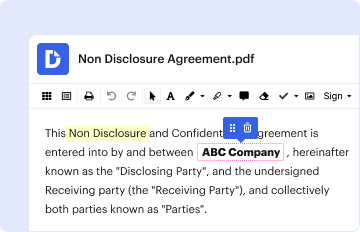
Type text, add images, blackout confidential details, add comments, highlights and more.


Type text, add images, blackout confidential details, add comments, highlights and more.

Draw your signature, type it, upload its image, or use your mobile device as a signature pad.

Send it via email, link, or fax. You can also download it, export it or print it out.
Form 56, issued by the Internal Revenue Service (IRS), serves as a notice concerning fiduciary relationships. This form is crucial for individuals acting in a fiduciary capacity, such as executors, trustees, or guardians, to inform the IRS about their role. When a fiduciary relationship is established, the fiduciary is responsible for managing the tax matters of another individual, such as handling tax filings and correspondence with the IRS. Filing Form 56 ensures that the IRS recognizes the fiduciary's authority and directs all relevant communications and notices to them.
Form 56 can be readily obtained through multiple sources. Primarily, it is available for download directly from the IRS official website, ensuring easy access to the most current version of the form. In addition to the IRS website, many tax preparation softwares, such as TurboTax or QuickBooks, offer Form 56 as part of their suite of forms, streamlining the process for users of these platforms. Alternatively, you can request a hard copy by calling the IRS or visiting a local IRS office, where printed forms are typically available for public distribution.
Filling out Form 56 requires careful attention to detail to ensure accuracy. Here are the steps involved:
Part I: Identification
Part II: Authority
Part III: Revocation or Termination
Part IV: Court Proceedings
Sign and Date
Filing Form 56 is essential for several reasons. Primarily, it establishes a legal recognition of the fiduciary relationship, ensuring the IRS communicates directly with the fiduciary regarding all tax matters. This is vital in situations where the original taxpayer is unable to manage their tax affairs due to incapacity, death, or other reasons. Additionally, filing the form can offer protection to the fiduciary by providing clarity about their responsibilities and the extent of their authority, particularly when dealing with multiple stakeholders or family members.
Form 56 is structured into several critical sections that cover different aspects of fiduciary responsibility. Key elements include:
Identification Information: This includes personal details of both the individual for whom the fiduciary is acting and the fiduciary.
Authority for Fiduciary Role: Details concerning the legal basis or document supporting the fiduciary relationship.
Revocation Section: A part to indicate if there are changes or termination to any previous fiduciary relationships.
Court Proceedings: Information about any court actions that may influence the fiduciary duties or terms.
Fiduciary’s Obligations: Outlining the fiduciary's responsibilities and scope of authority in tax-related matters.
Legal compliance is paramount when it comes to Form 56. It is a legally binding document that authorizes a fiduciary to manage tax affairs on behalf of someone else. The fiduciary must ensure that they act within the scope of their authority and uphold their duties responsibly. Misrepresenting information or failing to file the form can lead to legal penalties or scrutiny from the IRS. Therefore, understanding the legal implications and accurately completing and filing the form is crucial for compliance.
The IRS provides both digital and paper versions of Form 56 to accommodate different preferences and needs:
Digital Version: Available for download from the IRS website, it can be completed electronically, which is convenient for those with access to digital devices. This method also simplifies corrections and duplicate copies.
Paper Version: Printed copies of Form 56 can be filled out manually and are available by request or at IRS offices. This option may be preferred by those who are less comfortable with digital tools or who require a physical record for personal archiving.
Failure to file Form 56 when required can result in significant consequences. The IRS expects notification anytime a fiduciary relationship alters the handling of tax responsibilities. Non-compliance may lead to missed tax filings, delayed communications, or legal challenges, all of which can result in monetary penalties or additional scrutiny from the IRS. Furthermore, the fiduciary may be held liable for any tax obligations that are not appropriately managed during their tenure.
While Form 56 does not have a specific filing deadline, it is imperative to file it as soon as the fiduciary relationship is established. Timely filing ensures that all pertinent tax-related communications are directed appropriately. Any changes to the fiduciary status, such as termination or alteration of the relationship, should also be reported immediately using the same form to maintain an accurate IRS record.
We've got more versions of the irs 56 form. Select the right irs 56 version from the list and start editing it straight away!
At DocHub, your data security is our priority. We follow HIPAA, SOC2, GDPR, and other standards, so you can work on your documents with confidence.
Aug 14, 2015 The credits produce an income tax addback by reducing the excise tax deduction that the taxpayer can claim as part of its cost of goods sold.Read more
1. Authority for fiduciary relationship. Check applicable box: a. Court appointment of testate estate (valid will exists).Read more
Enter the applicable designated automatic accounting method change number (DCN) for the requested automatic change. Enter only one DCN, except as provided forRead more


