
Warning of Default on Residential Lease - Georgia 2026

Get Form
default on lease Preview on Page 1

Here's how it works

01. Edit your default on lease online
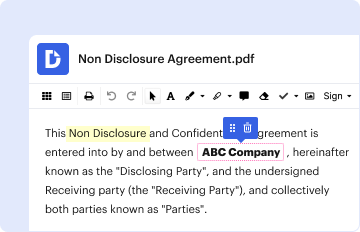
Type text, add images, blackout confidential details, add comments, highlights and more.
02. Sign it in a few clicks
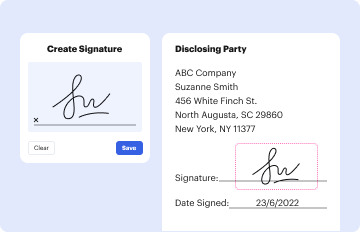
Draw your signature, type it, upload its image, or use your mobile device as a signature pad.
03. Share your form with others
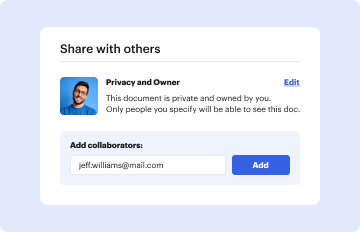
Send it via email, link, or fax. You can also download it, export it or print it out.

How to use or fill out Warning of Default on Residential Lease - Georgia with our platform

Form edit decoration
9.5
Ease of Setup
DocHub User Ratings on G2
9.0
Ease of Use
DocHub User Ratings on G2
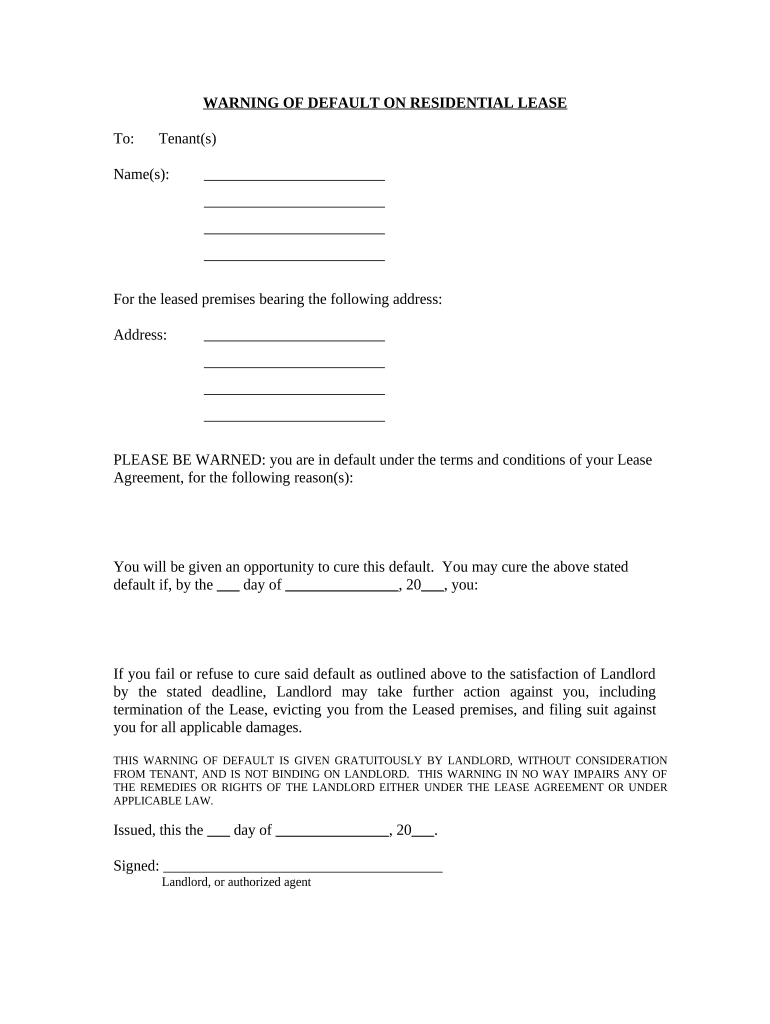
  1. Click ‘Get Form’ to open it in the editor.
  2. Begin by entering the names of the tenant(s) in the designated field. Ensure that all names are spelled correctly to avoid any confusion.
  3. Next, input the address of the leased premises where the tenant resides. This is crucial for identifying the specific property involved.
  4. In the section detailing reasons for default, clearly outline the specific issues leading to this warning. Be concise yet thorough to ensure clarity.
  5. Specify a deadline for curing the default by filling in the blank with an appropriate date. This gives tenants a clear timeframe to address their issues.
  6. Finally, complete the form by signing it as the landlord or authorized agent and entering today's date at the bottom of the document.

Start using our platform today to easily fill out your Warning of Default on Residential Lease - Georgia for free!

be ready to get more

Complete this form in 5 minutes or less

Get form

Got questions?

We have answers to the most popular questions from our customers. If you can't find an answer to your question, please contact us.
Contact us
Default is an omission or failure by either Party to meet a provision of the lease. If the default is not cured (remedied) by the defaulting Party, actions may be taken by the other Party, including (but not limited to) terminating the lease.
Commercial leases require an effective default clause that allows the landlord to force a tenant to comply with all lease obligations. The default clause commonly provides the procedure for obtaining an eviction or the threat of an eviction for a commercial tenants violation of the lease.
Sixty days notice from the landlord or 30 days notice from the tenant is necessary to terminate a tenancy at will. (Orig. Code 1863, 2272; Code 1868, 2265; Code 1873, 2291; Code 1882, 2291; Civil Code 1895, 3133; Civil Code 1910, 3709; Code 1933, 61-105; Ga.
Occurs when a borrower does not meet its obligations under an agreement. For instance, a borrower under a loan agreement does not make a scheduled payment or violates a covenant.
A default is a failure to comply with a provision in the lease. Curing or remedying the default means correcting the failure or omission. A common example is a failure to pay the rent on time.

Security and compliance

At DocHub, your data security is our priority. We follow HIPAA, SOC2, GDPR, and other standards, so you can work on your documents with confidence.

Learn more
ccpa2
pci-dss
gdpr-compliance
hipaa
soc-compliance

People also ask

The default clause should outline how the process will work. Most clauses dont consider tenants in default until at least five days after the rent was due. Your state and city may also have local tenant laws that dictate when a renter can be considered in default.

Related links