






Definition and Purpose of the Tax-Free Exchange Package - Washington
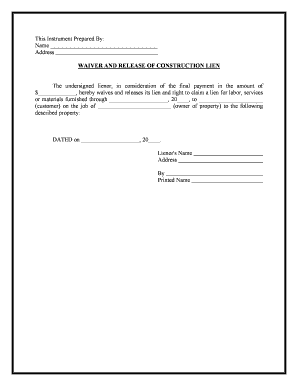
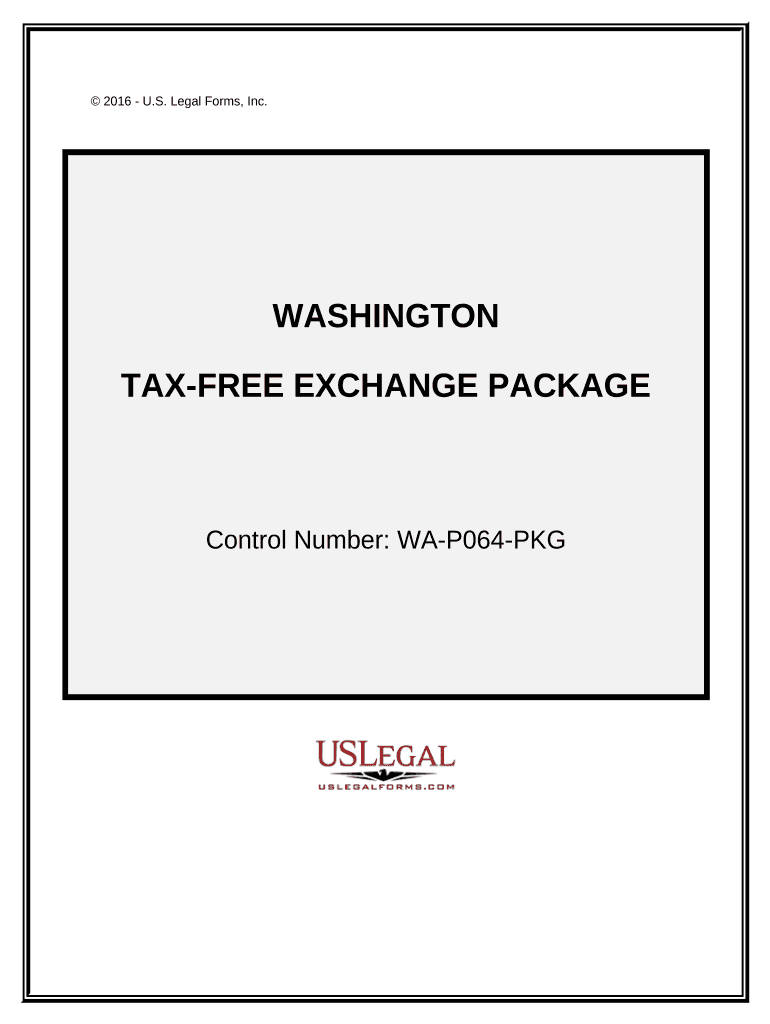
The Tax-Free Exchange Package for Washington is a comprehensive set of documents designed to facilitate the tax-free exchange of real estate property under Section 1031 of the Internal Revenue Code. This package aims to assist real estate owners in deferring capital gains taxes by exchanging their property for another like-kind asset. By utilizing this package, property sellers can postpone tax liabilities, thereby enhancing their investment strategies. The package includes essential forms and agreements necessary to comply with legal requirements, allowing for a seamless and legally sound transaction.
Steps to Complete the Tax-Free Exchange Package
-
Gather Required Information: Start by collecting all pertinent details about the properties involved in the exchange. This includes property descriptions, ownership details, and valuations.
-
Review Exchange Agreement: Carefully examine the Exchange Agreement, which outlines the terms and conditions agreed upon by the parties involved.
-
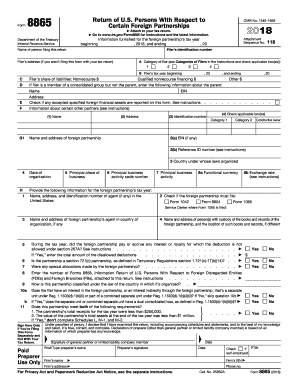
Prepare Like-Kind Exchange Documents: Complete all necessary forms related to the like-kind exchange, ensuring compliance with IRS rules.
-
Incorporate Legal and Tax Advice: Consult with legal and tax professionals to confirm your understanding of the exchange terms and compliance with Washington state laws.
-
Finalize and Submit to Relevant Authorities: Once completed and reviewed, submit the documents to appropriate authorities or entities managing the exchange.
Why Use the Tax-Free Exchange Package - Washington
The primary motivation for utilizing this package is to legally defer capital gains taxes. By engaging in a 1031 exchange, real estate owners can improve their property holdings without immediate tax liabilities. The package is tailored to meet Washington state-specific requirements, ensuring compliance with local legal stipulations. This structured approach aids in achieving long-term investment objectives and financial planning.
Key Elements of the Tax-Free Exchange Package
- Exchange Agreement: Defines the framework and structures the transaction terms.
- Like-Kind Exchange Documents: Include all necessary forms for compliance with IRS requirements.
- Instructions for Completion: Provides guidelines to help users fill out forms accurately.
- Legal Disclaimers: Ensures users acknowledge the scope and limitations of the package's legal coverage.
Important Terms Related to the Tax-Free Exchange Package
- Like-Kind Property: Refers to properties that are deemed similar in nature as per IRS definitions.
- Qualified Intermediary: A third party that facilitates the exchange and holds funds during the transaction.
- Boot: Any non-like-kind property received during the exchange, which may be taxable.
- Deferred Exchange: A strategy that allows a delay between selling a property and acquiring the replacement property, while still qualifying for tax deferral.
State-Specific Rules for Tax-Free Exchanges in Washington
Washington state has specific regulations governing real estate exchanges, particularly concerning tax reporting and compliance. Familiarity with these local rules is crucial to leveraging the benefits of the exchange package effectively. Regulation may include specific forms, additional reporting requirements, or particular timeframes relevant to Washington.
Examples of Using the Tax-Free Exchange Package in Practice
Consider a scenario where a property owner in Seattle chooses to exchange a commercial property for a similar one in Tacoma. The Tax-Free Exchange Package would facilitate this process by providing all necessary documentation to prevent capital gains tax liabilities at the time of transaction. By following the structured guidelines provided, the owner ensures compliance and optimizes their investment strategy.
IRS Guidelines for Tax-Free Exchanges
To successfully complete a 1031 exchange, it is vital to adhere to specific IRS guidelines, such as:
- Property Identification Period: Within 45 days post-sale, the taxpayer must identify potential replacement properties.
- Exchange Completion Deadline: The exchange must be completed within 180 days to qualify for deferral.
Compliance with these timelines and conditions is essential to guarantee the intended tax deferral benefits.