
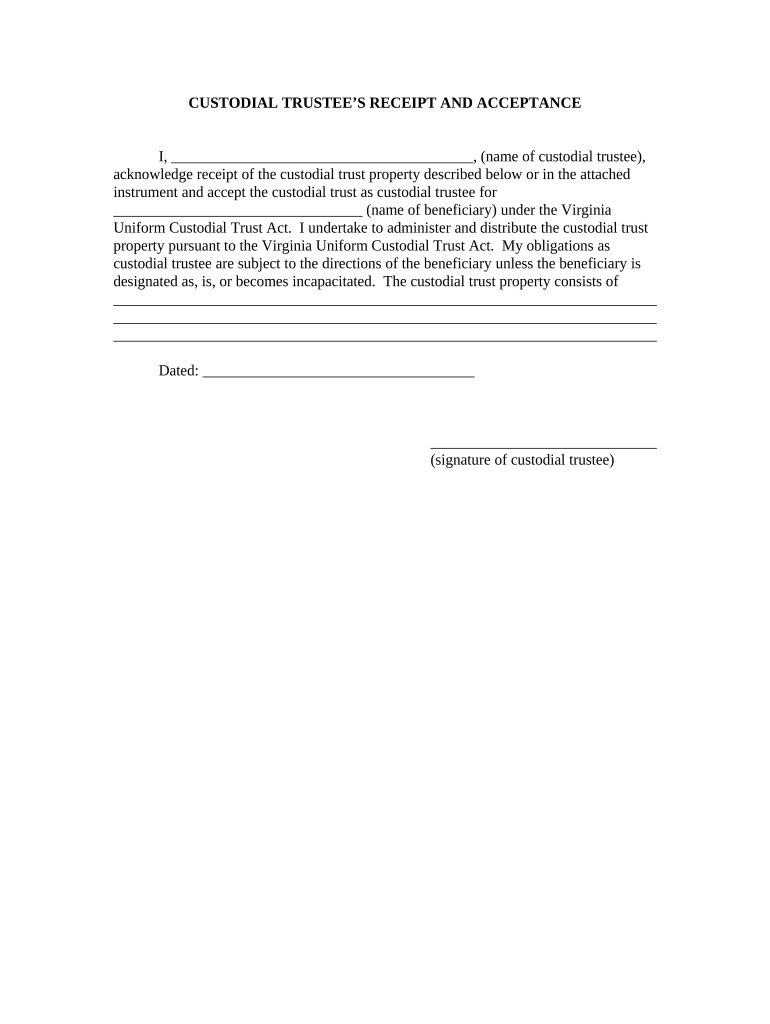







Definition and Meaning of Receipt Uniform
A receipt uniform serves as a formal document acknowledging the receipt of items, typically in a business or organizational context. This form is essential for maintaining accurate records and provides verification that goods or services have been received by the designated party. The standardization of this form helps ensure consistency across transactions, particularly in environments where tracking inventory or assets is critical.
Importance of a Receipt Uniform
- Establishes a clear record of what has been received.
- Provides legal protection for both senders and recipients.
- Facilitates return processes by documenting the condition of items upon receipt.
- Enhances transparency in transactions, especially within corporate settings.
How to Use the Receipt Uniform
Using a receipt uniform involves several key steps that ensure the document serves its intended purpose effectively. The process typically includes filling out the form accurately, maintaining a copy for records, and delivering it to the relevant parties.
Step-by-Step Instructions
- Fill in the Details: Include the date of receipt, the names of both parties, and a detailed description of the items received.
- Specify Conditions: Note the condition of the items if necessary, including any discrepancies.
- Sign and Date: Both parties should sign and date the document to confirm acknowledgment.
- Distribute Copies: Provide a copy to the sender and keep one for your records.
Key Elements of the Receipt Uniform
A receipt uniform is composed of various essential elements that contribute to its effectiveness and legality. Understanding these components is vital for creating a comprehensive form.
Essential Components
- Recipient Information: Names and contact details of both the sender and the recipient.
- Date of Transaction: The specific date when the items were received.
- Itemized List: A detailed list of items or services received, including quantities and descriptions.
- Conditions Noted: Any remarks regarding the state of the items, especially if they do not match the expected condition.
- Signatures: Signatures from both parties along with printed names for identification.
Steps to Complete the Receipt Uniform
Completing a receipt uniform requires careful attention to detail to avoid potential legal complications. The following steps outline the process in sequential order.
Detailed Procedure
- Identify the Required Format: Ensure you are using the correct format for the receipt uniform, whether that be a template or a custom format.
- Gather Information: Collect all necessary information, including recipient and sender details, item descriptions, and any relevant tracking numbers.
- Complete the Form: Carefully fill out each section of the form, ensuring that all descriptions match the items being received.
- Review for Accuracy: Double-check all entries for accuracy and completeness.
- Finalize with Signatures: Obtain signatures from both parties to validate the receipt.
Legal Use of the Receipt Uniform
The legal implications of using a receipt uniform are significant, as it serves as a binding document in a transaction. Its proper use can prevent disputes and offer legal protection.
Legal Considerations
- Proof of Receipt: A receipt uniform provides definitive proof that goods or services have been received.
- Record-Keeping: It fulfills legal record-keeping requirements, which can be crucial in audits or legal challenges.
- Compliance with Regulations: Certain industries may have regulations that mandate the use of standardized receipts for tracking and accountability.
Who Typically Uses the Receipt Uniform
Various entities utilize receipt uniforms to meet their operational and legal needs. Understanding the typical users of this document can illuminate its importance across contexts.


Common Users
- Retailers: Use receipt uniforms to acknowledge returns or exchanges of merchandise.
- Service Providers: Document the receipt of payments for services rendered.
- Business Entities: Corporations may use standardized receipt uniforms for inventory tracking.
- Government Agencies: Often require receipts for compliance and auditing purposes.

Examples of Using the Receipt Uniform
Practical examples help illustrate how receipt uniforms function within different sectors. These scenarios provide a clearer understanding of their application.
Scenario Examples
- Manufacturing: A factory receiving raw materials will issue a receipt uniform to confirm each shipment and its condition.
- Real Estate: A property management company may use a receipt uniform to document the receipt of rent payments from tenants.
- E-commerce: Online retailers provide receipt uniforms to customers upon delivery of purchased goods, aiding in returns and exchanges.
Important Terms Related to the Receipt Uniform
Familiarity with specific terminology related to receipt uniforms is necessary for effective communication and documentation in professional settings.
Key Terms
- Acknowledgment: Admission and acceptance of receipt.
- Inventory: A detailed list of items held by a business.
- Discrepancy: A difference between what is expected and what is received.
- Verification: The act of confirming that information is accurate and conforms to predefined standards.




