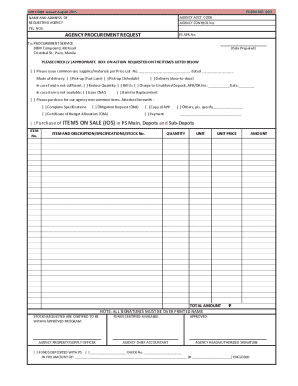
01. Edit your right of way agreement template online
Type text, add images, blackout confidential details, add comments, highlights and more.
02. Sign it in a few clicks
Draw your signature, type it, upload its image, or use your mobile device as a signature pad.
03. Share your form with others
Send right of way agreement sample via email, link, or fax. You can also download it, export it or print it out.
How to use or fill out easement right way with our platform
Ease of Setup
DocHub User Ratings on G2
Ease of Use
DocHub User Ratings on G2
Click ‘Get Form’ to open the easement right way document in the editor.
Begin by filling in the Grantor's name and the Grantee's name in the designated fields. Ensure that you accurately represent both parties involved.
Specify the consideration amount in the appropriate section, acknowledging any valuable consideration exchanged.
Provide a detailed legal description of the property where the easement will be granted. You can either write it directly or refer to an attached Exhibit A.
Review and fill out any terms and conditions as outlined in the form, ensuring clarity on rights reserved for both Grantor and Grantee.
Complete insurance requirements by entering coverage details as specified, ensuring compliance with liability limits stated in the document.
Finally, sign and date the document at the bottom to finalize your easement agreement.
Start using our platform today for free to streamline your easement documentation process!
A public right-of-way is broader than a typical easement because it allows anyone access to a defined portion of private property and doesnt tie to a specific person. Determining whether you need a right-of-way or a different type of easement will depend on what situation you find yourself in.
Who actually owns a right of way?
A right-of-way represents a legal right to pass through or use another persons land for specific purposes. Unlike full property ownership, a right-of-way grants limited use rights while the underlying land ownership typically remains with the adjacent property owner.
Who has the right to use a right of way?
What is a right-of-way easement? This agreement allows one person to travel across someone elses property. Property rights-of-way can be either private or public. A private right-of-way could include allowing your neighbor to cut across your backyard to make it easier for him to access his property or a public road.
What is the difference between a right of way and an easement?
Right of way is typically more specific, allowing passage or access through a designated path. Easements can be more versatile, covering a range of activities beyond just passage.
What is the difference between easement and right of way?
Public easement is the right of the public to use certain streets, highways, paths, or airspace, even though the areas are owned by others. In a public easement, the person who owns the land has to allow members of the public to access a defined area of his land for the reasons stated in the easement.
road right of way agreement sample
who owns right-of-way propertycan a landowner block a right of way?What are my rights with a deeded right of wayRight of way easement rulesRight of-way easement exampleWhat is a right of way on a propertyDifference between right of way and easementWho is responsible for right of way maintenance
Security and compliance
At DocHub, your data security is our priority. We follow HIPAA, SOC2, GDPR, and other standards, so you can work on your documents with confidence.
Owners are generally prohibited from building over or too close to an easement or must obtain approval from the authority who owns the easement to do so. If a structure is built over an easement without permission or where permission is denied, then the owner will be legally required to remove the structure.
What are the rules for easement in California?
A right of way specifically involves the ability to pass through someone elses property, while an easement can allow for broader, specific uses that dont necessarily involve passage.
sample right of way agreement philippines
right of way | Wex | US Law | LII / Legal Information Institute
Right of way is the right to pass over or through real property owned by someone else, usually based upon an easement; also, right-of-way.
An easement is the right to use the property of another for some defined purpose. The purpose and terms of an easement are usually described in the document
Easements and rights-of-way (ROW) help ensure the safety of our customers and protect our equipment from any damage or alterations. These guidelines provide a
Cookie consent notice
This site uses cookies to enhance site navigation and personalize your experience.
By using this site you agree to our use of cookies as described in our Privacy Notice.
You can modify your selections by visiting our Cookie and Advertising Notice.