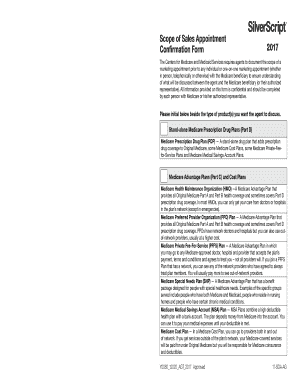
Transfer death deed 2026

Get Form
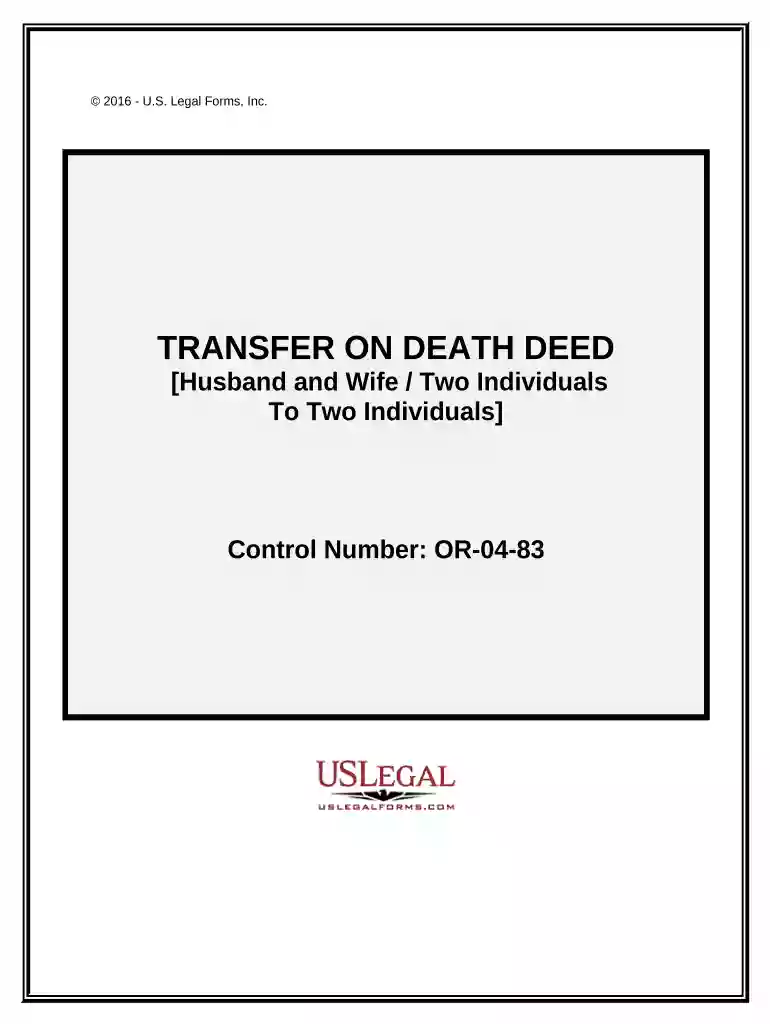
transfer death deed Preview on Page 1

Here's how it works

01. Edit your form online
Type text, add images, blackout confidential details, add comments, highlights and more.

02. Sign it in a few clicks
Draw your signature, type it, upload its image, or use your mobile device as a signature pad.

03. Share your form with others
Send it via email, link, or fax. You can also download it, export it or print it out.

How to use or fill out transfer death deed with our platform

Form edit decoration
9.5
Ease of Setup
DocHub User Ratings on G2
9.0
Ease of Use
DocHub User Ratings on G2
  1. Click ‘Get Form’ to open the transfer death deed in the editor.
  2. Begin with the Coversheet. Fill in the required information, including the names of the transaction and grantors as specified by O.R.S. § 205.234.
  3. Next, enter the details of the grantees/beneficiaries. Ensure that their mailing addresses are accurately provided.
  4. Complete the section regarding true and actual consideration paid for the property, referencing ORS 93.030.
  5. Fill in the address where all tax statements should be sent, as per ORS 93.260.
  6. In the main body of the deed, specify the property description and ensure that both grantors sign and date at the bottom.
  7. Finally, include notary acknowledgment sections for both grantors to complete after signing.

Start using our platform today to easily fill out your transfer death deed online for free!

be ready to get more

Complete this form in 5 minutes or less

Get form

Got questions?

We have answers to the most popular questions from our customers. If you can't find an answer to your question, please contact us.
Contact us
This is also called a transfer-on-death deed, and may be completed without an attorney, if desired. Naming a transfer-on-death beneficiary allows you to choose someone to inherit your home, may offer tax benefits, and bypasses probate.
Yes, a beneficiary deed avoids probate. This is actually one of the key reasons for which beneficiary deeds are so popular. Because your interest in the property passes automatically to your beneficiary upon your passing, the property technically isnt included as a part of your estate.
The key advantage of TOD is the avoidance of probate, which can be time-consuming and costly. Beneficiary Designations: These are typically used for life insurance policies, retirement accounts (like IRAs and 401(k)s), and annuities.
Because it is a community property state, a surviving spouse is protected, and the deceased spouse cannot transfer away community property from the surviving spouse to someone other than the surviving spouse. As a result, TODs are not allowed under current Idaho law.
TOD Deeds Open the Door to Unintended Consequences Without careful coordination, TOD deeds can also disinherit heirs you intended to provide for, result in unnecessary taxes, complicate matters for a surviving spouse, or cause other negative ripple effects. Once recorded, the deed is very difficult to undo.

Security and compliance

At DocHub, your data security is our priority. We follow HIPAA, SOC2, GDPR, and other standards, so you can work on your documents with confidence.

Learn more
ccpa2
pci-dss
gdpr-compliance
hipaa
soc-compliance
be ready to get more

Complete this form in 5 minutes or less

Get form