







Definition and Overview of the Verification Letter
A verification letter is a formal document used to confirm an individual's employment status, income, or other critical information that may be required for various purposes, including mortgage applications, loan processes, and rental agreements. This document is essential for establishing credibility and can often be required by financial institutions or landlords who need assurance about a person's financial situation or employment history.
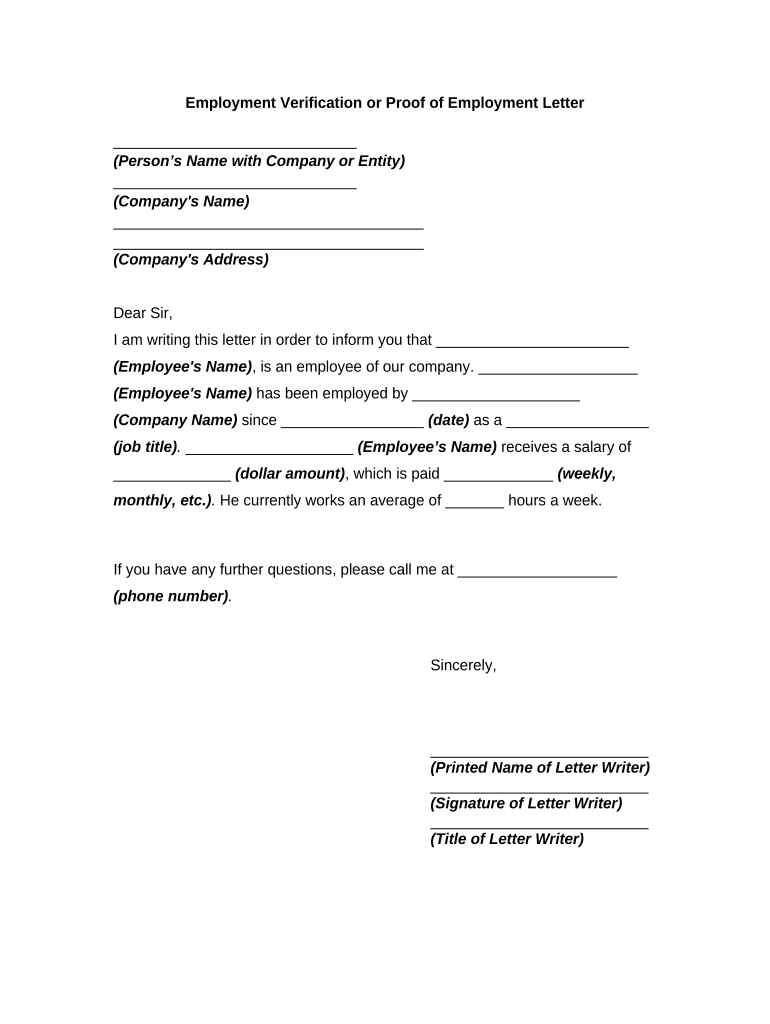
Typically, the verification letter contains specific details such as the employee's name, job title, employment dates, salary, and hours worked. Additionally, it may include the employer's contact information to authenticate the document and allow for further inquiries if necessary. This letter serves as proof of income and employment, which can be crucial for individuals seeking financial assistance or housing.
How to Use the Verification Letter Effectively
Using a verification letter requires understanding its purpose and the specifics of the process involved. Follow these guidelines to maximize its effectiveness:
-
Determine the Need: Identify the situation where the verification letter is required, such as applying for a loan, renting an apartment, or qualifying for a government program.
-
Collect Information: Gather the necessary information to be included in the letter. This includes:
- Employee's full name
- Job title and duties
- Employment start date and current status
- Salary and hours worked per week
-
Formatting the Letter: Ensure the verification letter is formatted properly. It should begin with a formal greeting, followed by the employer's information, the body of the letter detailing the employee's status, and a closing with the employer's signature and contact details.
-
Reviewing and Providing Additional Documentation: Attach any additional documentation required to support the verification letter, such as recent pay stubs or tax forms. This can enhance the credibility of the presented information.
-
Sending the Letter: Deliver the letter according to the requirements of the requesting entity—this could be via email, postal service, or even in person.
Steps to Complete a Verification Letter
Completing a verification letter involves a series of organized steps to ensure all necessary details are accurately captured and presented. Follow these steps:
-
Header: Include the company’s letterhead or basic information, including the name and address of the employer.
-
Employer Contact Information: Write the employer's name, title, phone number, and email address, where applicable.
-
Date: Clearly mention the date on which the document is being issued.
-
Recipient Details: If applicable, include the name of the individual or organization requesting the verification.
-
Body of the Letter:
- Start with a clear statement confirming the individual's employment status.
- Detail the employee's job title, start date, and salary.
- Include any additional relevant information, such as average hours worked.
-
Closing Statement: Offer to provide further information if needed, expressing willingness to assist.
-
Signature: Conclude with the employer’s signature and print name, along with their title and date of signing.
Key Elements of a Verification Letter
When composing a verification letter, several critical elements must be included to ensure it serves its purpose effectively:
- Employee Details: Clearly state the employee's full name and job title.
- Employment Dates: Include the start date and, if applicable, the end date of employment.
- Salary Information: Mention the employee's current salary, which may be an annual or monthly figure.
- Job Responsibilities: Briefly describe the employee’s primary duties or roles within the organization to provide context.
- Employer’s Information: The letter should reflect the employer’s contact details for authenticity.
- Signature: A handwritten signature adds legitimacy to the letter.
Common Scenarios for Using Verification Letters
Verification letters are essential across various situations. Some common scenarios include:
-
Loan Applications: Banks and financial institutions often require proof of employment and income for loan approvals. A verification letter helps meet this requirement.
-
Rental Agreements: Landlords may ask for a verification letter to confirm stable employment and income, ensuring that potential tenants can meet rental payments.
-
Insurance Claims: When filing claims or seeking assistance, individuals might need to validate their employment status.
-
Educational Purposes: Some educational institutions may require verification letters from employers to establish financial aid eligibility.
-
Visa Applications: For work visa applications, a verification letter can demonstrate employment status to immigration authorities.
Understanding these scenarios enables individuals and businesses to prepare the necessary verification letters proactively, thereby expediting the process when required.




