







Definition & Meaning
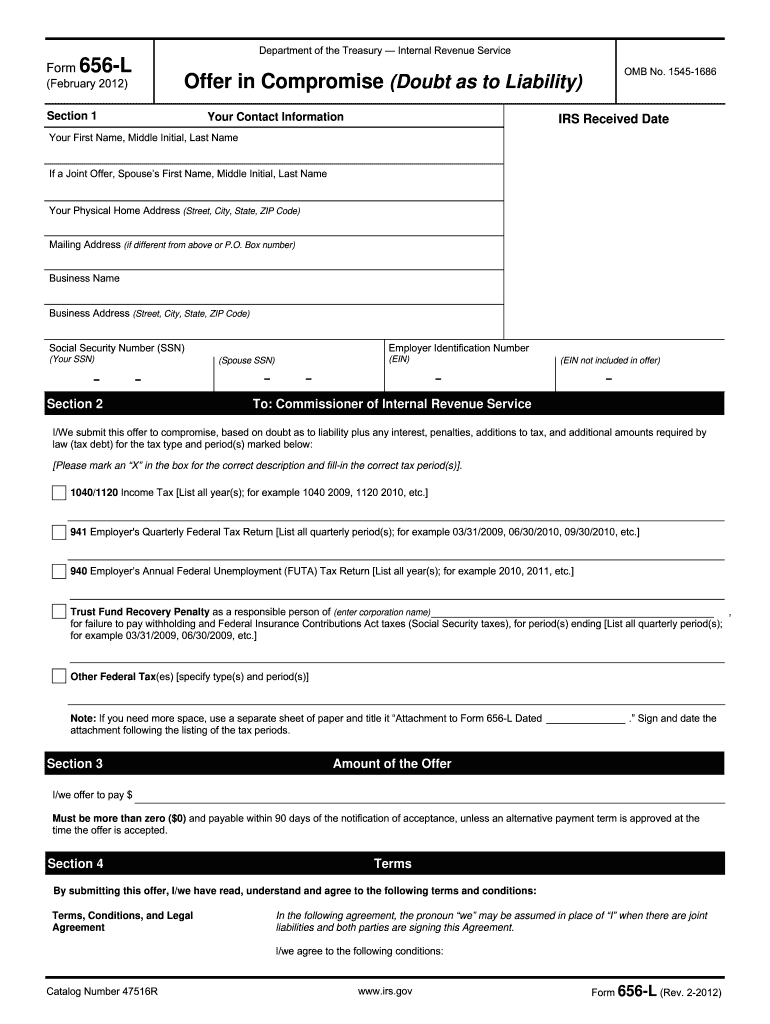
The "sadena security irs 2012 form" likely refers to a specialized type of tax form related to securities transactions submitted to the IRS in 2012. These forms are typically used to report specific types of financial activities or holdings that have implications for an individual's or a business’s tax obligations. Such forms are important for ensuring compliance with IRS regulations and accurately reflecting taxable income from various investments or assets.
Key Elements of the Sadena Security IRS 2012 Form
- Reporting Requirements: Outlines the necessary financial information required, such as the type of securities, transaction dates, and values.
- Sections and Fields: Includes predefined fields for taxpayer information, details of the securities involved, and any applicable deductions or credits.
- Signature and Date: A section for the taxpayer to certify the accuracy of the reported information, including a signature and date of submission.
Steps to Complete the Sadena Security IRS 2012 Form
- Gather Necessary Information: Collect all relevant financial documents, such as brokerage statements, trade confirmations, and prior tax returns.
- Fill in Personal Details: Input taxpayer identification information, including name, Social Security number, and address.
- Enter Securities Information: Provide details on each security transaction, including type, purchase and sale dates, and the associated financial details.
- Review for Accuracy: Carefully review the completed form to ensure all information is accurate and up-to-date.
- Sign and Date: After thoroughly checking the form, sign and date it to validate its contents.
IRS Guidelines
- Compliance Obligations: Emphasizes the need to accurately report securities transactions to avoid discrepancies in tax filings.
- Record Keeping: Advises taxpayers to maintain comprehensive records of all financial transactions for potential future audits.
- Amendments and Corrections: Details procedures for amending the form if errors are identified after submission.
Required Documents
- Brokerage Statements: Provides records of transactions and account balances to support entries on the form.
- Trade Confirmations: Offers proof of purchase and sale for each security transaction.
- Tax Records: Previous years' tax returns might be needed for context or carryforward information.
Form Submission Methods (Online / Mail / In-Person)
- Online Submission: Utilizes the IRS's e-file system for electronic submission, offering a quicker and more environmentally-friendly option.
- Mail: Allows traditional paper forms to be mailed directly to the IRS, with specific addresses depending on the taxpayer’s location and form type.
- In-Person: Though less common, submission can occur at an IRS office if required.
Penalties for Non-Compliance
Failure to accurately complete and submit the sadena security IRS 2012 form can result in:
- Fines and Penalties: Monetary charges for late or incorrect submissions.
- Interest on Unpaid Taxes: Accumulated charges on taxes owed but not timely reported or paid.
- Potential Legal Action: In severe cases, such as fraud, non-compliance might lead to legal proceedings.
Eligibility Criteria
- Type of Taxpayer: Primarily individuals or entities engaged in securities transactions during the specified tax year.
- Reporting Thresholds: Some forms may only be required if transactions exceed certain monetary values or if they involve particular types of securities or markets.


Examples of Using the Sadena Security IRS 2012 Form
- Investor Case Study: An individual with a diverse securities portfolio uses this form to report income from stock sales and dividends.
- Corporate Scenario: A corporation involved in frequent securities trading utilizes detailed reports to meet IRS submission requirements.
- Retired Taxpayer: A retiree managing an investment account may need to use this form to report changes in their securities holdings.




