Legal Last Will and Testament Form for Divorced person not Remarried with Minor Children - Michigan 2026

Get Form
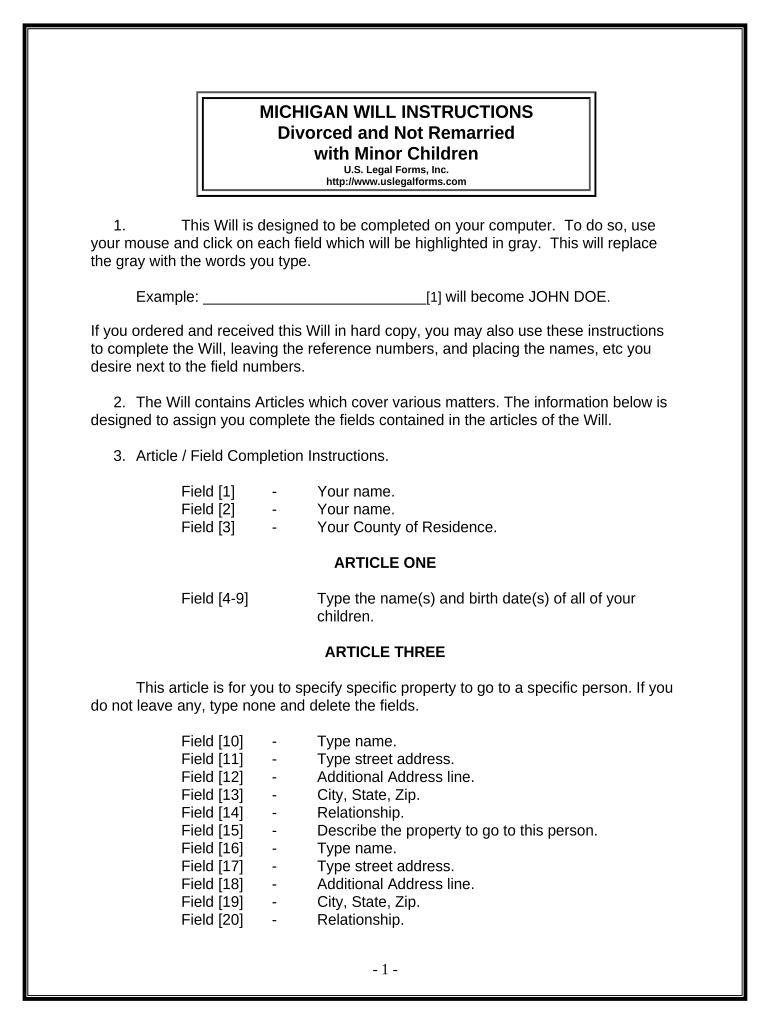
Legal Last Will and Testament Form for Divorced person not Remarried with Minor Children - Michigan Preview on Page 1

Here's how it works

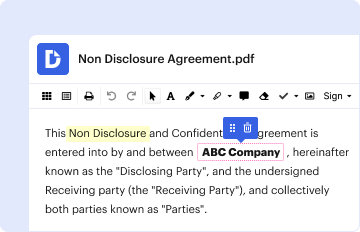
01. Edit your form online
Type text, add images, blackout confidential details, add comments, highlights and more.
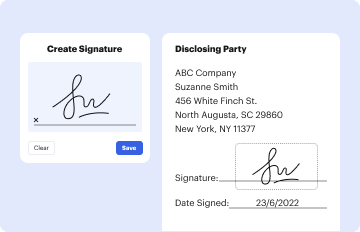
02. Sign it in a few clicks
Draw your signature, type it, upload its image, or use your mobile device as a signature pad.
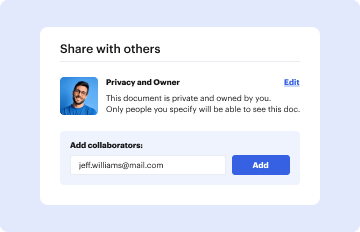
03. Share your form with others
Send it via email, link, or fax. You can also download it, export it or print it out.

How to use or fill out Legal Last Will and Testament Form for Divorced person not Remarried with Minor Children - Michigan

Form edit decoration
9.5
Ease of Setup
DocHub User Ratings on G2
9.0
Ease of Use
DocHub User Ratings on G2
  1. Click ‘Get Form’ to open it in the editor.
  2. Begin by entering your name and county of residence in the designated fields. This establishes your identity and jurisdiction.
  3. In Article One, list the names and birth dates of all your minor children. This is crucial for ensuring their interests are protected.
  4. Proceed to Article Three to specify any particular property you wish to bequeath. If there are no specific items, simply type 'none'.
  5. In Article Four, indicate the names of your children who will inherit your remaining estate. This ensures clarity on distribution.
  6. For Articles Five through Nine, fill in details regarding trusts, guardianship, and personal representatives as applicable.
  7. Review all entries carefully before printing. Ensure that you sign in front of two witnesses to validate the document.

Start using our platform today to create your Last Will and Testament effortlessly!

be ready to get more

Complete this form in 5 minutes or less

Get form

Got questions?

We have answers to the most popular questions from our customers. If you can't find an answer to your question, please contact us.
Contact us
A will in Michigan is improperly executed, and therefore invalid, if: It is not in writing. The testator does not sign it. It is not signed by two witnesses and is not a holographic will.
To finalize your last will and testament in Traverse City or elsewhere in Michigan, you do not need to have it docHubd. Instead, the will must be in writing, you must sign or acknowledge the will in front of two witnesses, and those witnesses must sign it.
Some people believe that you have to be married at least ten years to receive spousal support or alimony in Michigan. This is also untrue. There is no specific number of years that one must be married to receive spousal support in Michigan.
If you were married for at least ten years, your ex-spouse could be eligible for a portion of your Social Security benefits. For your ex-spouse to claim these benefits, you must have been divorced for at least two full years, and they must be at least 62 years old and not have remarried since your divorce.
While spouses, then children, generally take precedence in Michigan inheritance law, there are some laws of succession should you die intestate without either of those heirs. For example, if you are unmarried without children and die intestate, your parents inherit your entire estate.

Security and compliance

At DocHub, your data security is our priority. We follow HIPAA, SOC2, GDPR, and other standards, so you can work on your documents with confidence.

Learn more
ccpa2
pci-dss
gdpr-compliance
hipaa
soc-compliance

People also ask

Many people assume that marriages must last for 10 years or more before divorce courts will order one side to make spousal support or alimony payments. Although judges are indeed more likely to award support when spouses have been married for a longer time, they will award alimony as needed if either spouse qualifies.
See why moving out is the biggest mistake in a divorce. You May Give a Divorce Judge the Impression Youve Abandoned Your Spouse. You Could Affect the Decisions a Divorce Judge Makes Regarding Child Custody. You Will Negatively Impact Your Financial Situation and the Equitable Distribution of Marital Assets.

Related links