What is the difference between a fiduciary deed and an executor deed?
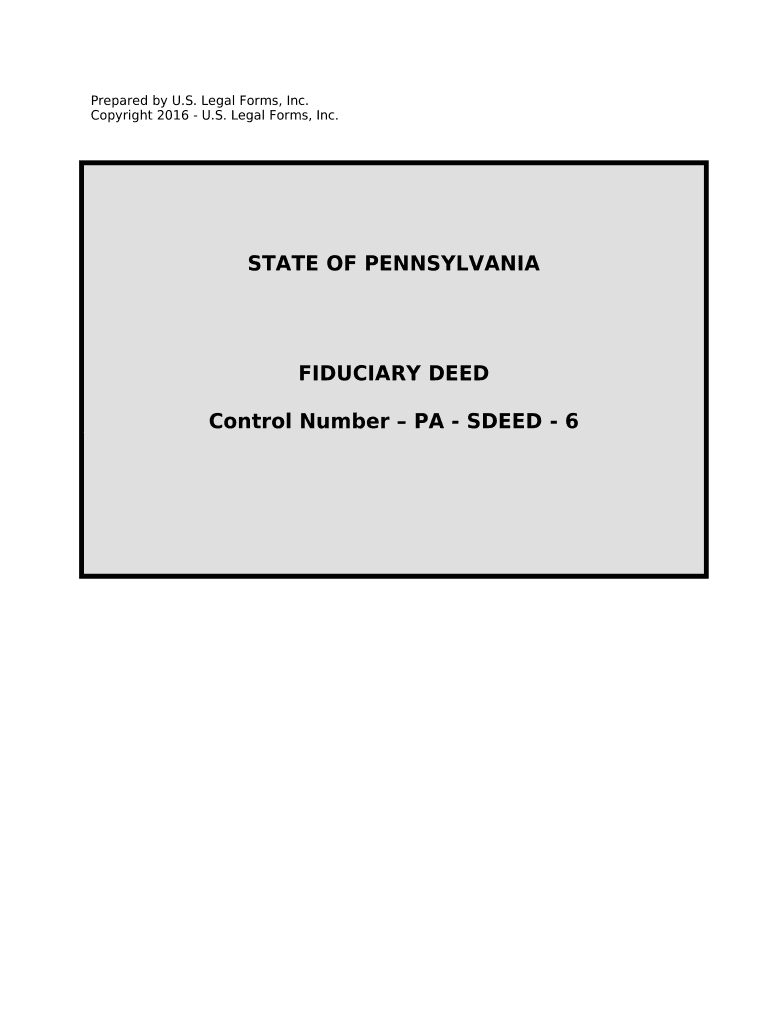
A fiduciary deed is used to transfer property when the executor is acting in his official capacity. A fiduciary deed warrants that the fiduciary is acting in the scope of his appointed authority but it does not guarantee title of the property.
What is a fiduciary deed in PA?
A Fiduciary refers to any individual acting on behalf of another, and in Estate Planning this often means in a legal capacity. An Executor, on the other hand, is a much more narrow responsibility. Executors can only act on the terms laid out in a Will.
Are executor and fiduciary the same thing?
Higher regulatory burden: The flip side of being held to a higher regulatory or at least professional standard is that a fiduciary might not have as much flexibility as a non-fiduciary. So, it might take more time for certain decisions to get approved by their compliance team, for example.
What is a fiduciary deed used for?
3351. Except as otherwise provided by the will, if any, the personal representative may sell, at public or private sale, any personal property whether specifically bequeathed or not, and any real property not specifically devised, and with the joinder of the specific devisee real property specifically devised.
section 3392 of the pennsylvania probate estates and fiduciaries code
20 Pa cs 551120 Pa cs 3311Pef Code PaTitle 20 Pa20 Pa csa 310120 pa cs 552120 Pa cs 3155PA estate Administration Checklist
Security and compliance
At DocHub, your data security is our priority. We follow HIPAA, SOC2, GDPR, and other standards, so you can work on your documents with confidence.
by SD Kline 1940 Cited by 1 funds to be made by executors, administrators, trustees, guardians and other fiduciaries was approved by a majority of votes cast on said proposedRead more
Cookie consent notice
This site uses cookies to enhance site navigation and personalize your experience.
By using this site you agree to our use of cookies as described in our Privacy Notice.
You can modify your selections by visiting our Cookie and Advertising Notice.