
Letter debtor collection 2026

Get Form
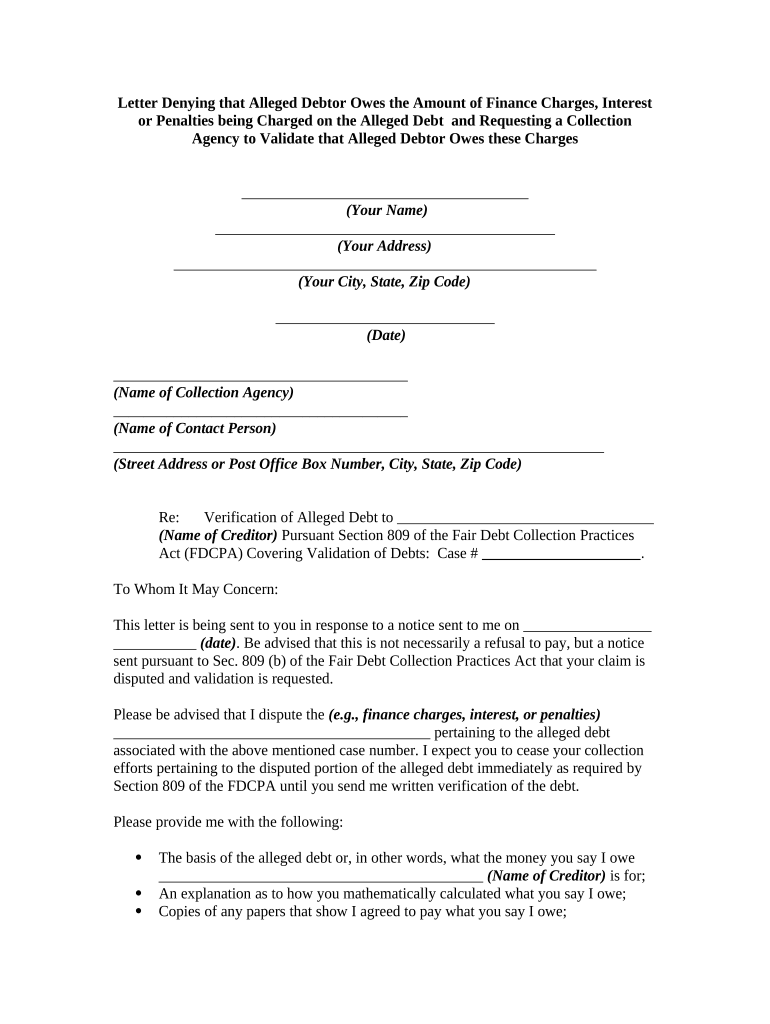
debtors letter Preview on Page 1

Here's how it works

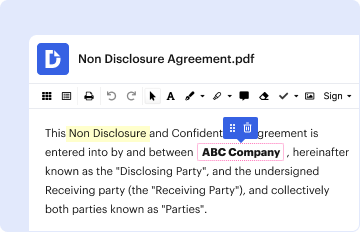
01. Edit your debtors letter online
Type text, add images, blackout confidential details, add comments, highlights and more.
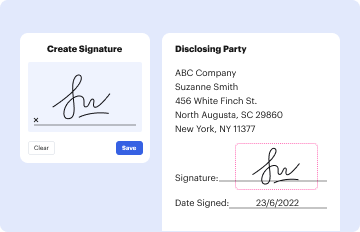
02. Sign it in a few clicks
Draw your signature, type it, upload its image, or use your mobile device as a signature pad.
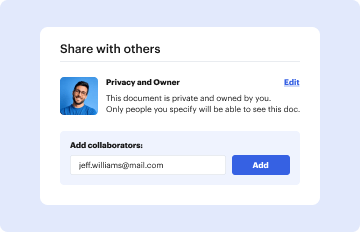
03. Share your form with others
Send it via email, link, or fax. You can also download it, export it or print it out.

How to use or fill out letter debtor collection with our platform

Form edit decoration
9.5
Ease of Setup
DocHub User Ratings on G2
9.0
Ease of Use
DocHub User Ratings on G2
  1. Click ‘Get Form’ to open the letter debtor collection in the editor.
  2. Begin by entering your name and address at the top of the form. This personal information is essential for identification purposes.
  3. Fill in the date when you are sending the letter, followed by the name and contact details of the collection agency.
  4. In the 'Re:' section, specify the creditor's name and case number related to the alleged debt. This helps clarify which debt you are disputing.
  5. Clearly state your dispute regarding finance charges or penalties in the body of the letter. Use our platform’s text tools to ensure clarity.
  6. List your requests for validation, including documentation needed from the collection agency. Make sure each point is clear and concise.
  7. Conclude with a statement about communication preferences, emphasizing that all future correspondence should be in writing.
  8. Finally, sign and print your name at the bottom of the letter before saving or sending it directly through our platform.

Start using our editor today to efficiently manage your debtor collection letters for free!

be ready to get more

Complete this form in 5 minutes or less

Get form

Got questions?

We have answers to the most popular questions from our customers. If you can't find an answer to your question, please contact us.
Contact us
Ignoring or avoiding the debt collector may cause the debt collector to use other methods to try to collect the debt, including a lawsuit against you. If you are unable to come to an agreement with a debt collector, you may want to contact an attorney who can provide you with legal advice about your situation.
A collection letter is a formal written communication sent by a creditor to a debtor, requesting the payment of an overdue invoice or debt. It serves as a reminder and a call to action, emphasizing the importance of settling the outstanding amount promptly.
If you dont respond to the Summons Complaint, the Plaintiff will likely place a lien against you in the form of a default judgment. The default judgment gives the plaintiff the right to collect on the amount owed, plus interest and court costs.
If you receive a notice from a debt collector, its important to respond as soon as possibleeven if you do not owe the debtbecause otherwise the collector may continue trying to collect the debt, report negative information to credit reporting companies, and even sue you.
Specifically, the rule states that a debt collector cannot: Make more than seven calls within a seven-day period to a consumer regarding a specific debt. Call a consumer within seven days after having a telephone conversation about that debt.

Security and compliance

At DocHub, your data security is our priority. We follow HIPAA, SOC2, GDPR, and other standards, so you can work on your documents with confidence.

Learn more
ccpa2
pci-dss
gdpr-compliance
hipaa
soc-compliance
be ready to get more

Complete this form in 5 minutes or less

Get form

People also ask

Example debt collection letter templates. The above invoice for ${enter amount} has recently become overdue for payment. As such, we would appreciate you making this payment as soon as possible. If there is an error on our part and payment has been made, please contact me immediately so that the matter can be rectified
How to write a debt collection letter: Step by step guide Step 1: Use a professional format. Step 2: Write a clear subject line (if sending via email) Step 3: Address the recipient. Step 4: State the purpose of the letter. Step 5: Provide detailed information on the debt. Step 6: Include payment instructions.

Related links