
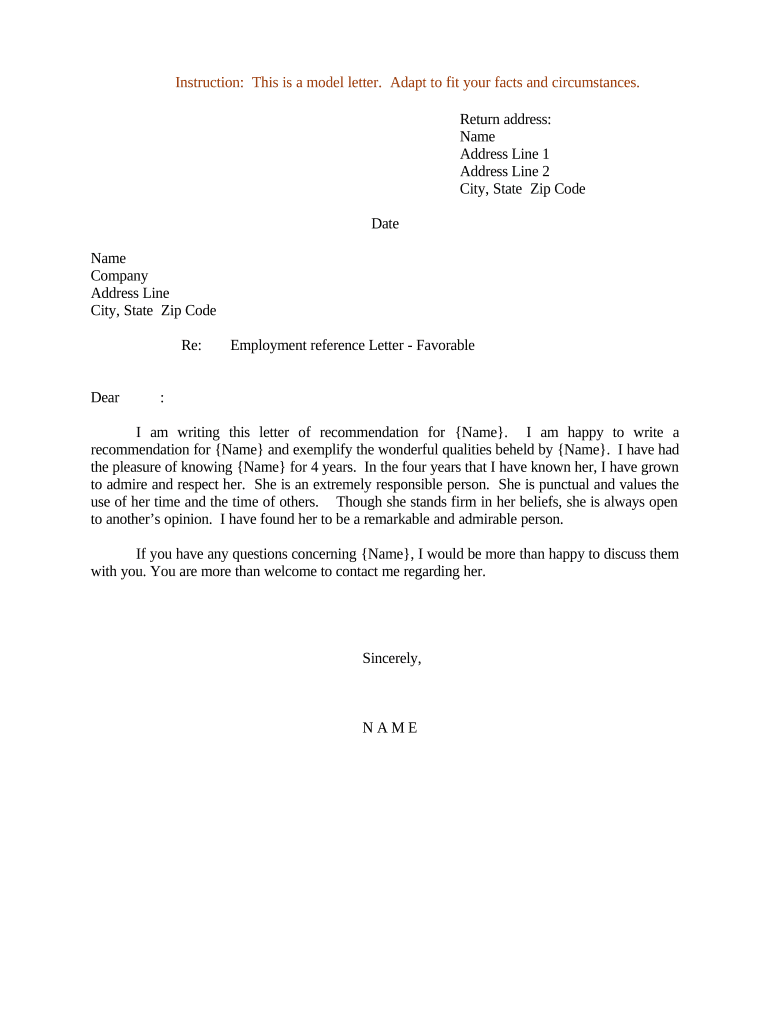







Definition and Importance of a Sample Employment Letter
A sample employment letter serves as a template that outlines the terms of employment between an employer and employee. This document is critical in various situations, such as job applications, verification of employment, or providing professional references. It highlights essential details, including job title, duties, salary, and work duration, and can also affirm an employee's performance and skills.
The significance of a sample employment letter cannot be overstated. It provides clarity and ensures that both parties have a mutual understanding of the employment terms. It can be a vital resource for individuals who are transitioning jobs, applying for loans, or requiring proof of employment for any other formal processes. By creating a well-structured employment letter, employers can demonstrate professionalism while supporting their employees in various endeavors.
Key Elements of a Sample Employment Letter
An effective sample employment letter should contain several key components to ensure it meets professional standards and serves its intended purpose. These elements include:
- Employer Contact Information: At the top of the letter, include the company’s name, address, phone number, and email.
- Date: The date on which the letter is written, which is pertinent for any legal matters or timelines associated with the employment.
- Employee Details: The name, address, and position of the employee receiving the letter.
- Job Title and Description: A concise overview of the employee's position, main responsibilities, and any relevant achievements.
- Employment Dates: The start date and, if applicable, the end date of employment to clarify the timeline.
- Compensation and Benefits: Details about the salary, bonuses, and any non-monetary benefits provided to the employee.
- Work Conditions: Information regarding work hours, location, and any specific terms related to employment, such as probationary periods.
- Signature and Title of the Issuer: The letter should be signed by an authorized person, typically a manager or human resources representative, to validate its authenticity.
How to Use a Sample Employment Letter
Utilizing a sample employment letter effectively requires customization to meet the specific needs of the situation at hand. Here are steps to consider:
-
Select the Appropriate Template: Choose a template that matches your specific purpose, such as an employment offer, verification, or a reference letter.
-
Personalize the Content: Fill in the details related to the employee and organization, ensuring accuracy and relevance to the specific case. Modify any language to reflect the practices and tone of your organization.
-
Review and Adjust: Check for grammatical errors, and ensure that all necessary components are present. Adjust language for clarity, especially technical terms that may not be easily understood by all recipients.
-
Distribute Securely: Depending on its purpose, share the letter through the appropriate channels. For confirmed employment, it might be attached to emails or provided as a printed document.
-
Keep Records: Maintain copies of employment letters for future reference and to support any potential inquiries regarding employment status or history.
Examples of Using a Sample Employment Letter
Sample employment letters can be employed in numerous ways, aiding both employers and employees in various scenarios. Typical examples include:
- Job Applications: Candidates often submit letters of employment as supporting documents to verify their work history and bolster their applications.
- Verification Requests: When a current or former employee needs to prove employment for banks or rental leases, employers can provide a straightforward letter confirming the details of their role.
- Employee References: Employers can use the sample letter format to create references for employees looking to advance their careers, detailing their skills and contributions.
- Legal and Financial Requirements: In loan applications, an employment letter serves as a formal document validating income and job stability for lenders.
Who Typically Uses a Sample Employment Letter
A diverse range of stakeholders utilizes sample employment letters, each with different needs and purposes. The primary users include:
-
Employers: HR departments and management personnel use these letters to outline terms of employment, respond to verification requests, or provide references for employees.
-
Job Seekers: Individuals seeking employment may require letters from previous employers to validate their experience or request reference letters for job applications.
-
Financial Institutions: Banks and lenders often request proof of employment letters when assessing loan applications to verify income levels and job stability.
-
Educational Institutions: Colleges and universities may ask prospective students for employment verification as part of financial aid applications.
-
Legal Professionals: Attorneys may require employment letters for cases involving employment disputes, loan applications, or contract validations.
State-Specific Rules for Sample Employment Letters
Understanding local legislation regarding employment letters is essential, as various states may have specific requirements or standards for these documents. Considerations include:
-
At-Will Employment Clauses: In some states, including disclaimers about employment being at-will can be important.
-
Anti-Discrimination Statements: Certain regions may require employer correspondence to mention non-discrimination policies in hiring and employment practices.
-
Reference Restrictions: Some states may have laws governing what can be disclosed in reference letters, necessitating attention to these regulations to avoid legal implications.
-
Notarization Requirements: In specific states, notarizing employment letters may be necessary for authenticity, particularly if intended for legal or formal purposes.
Employers and employees should familiarize themselves with their state guidelines to ensure compliance and avoid potential pitfalls when issuing or requesting a sample employment letter.




