




Definition & Meaning of a Closing Statement
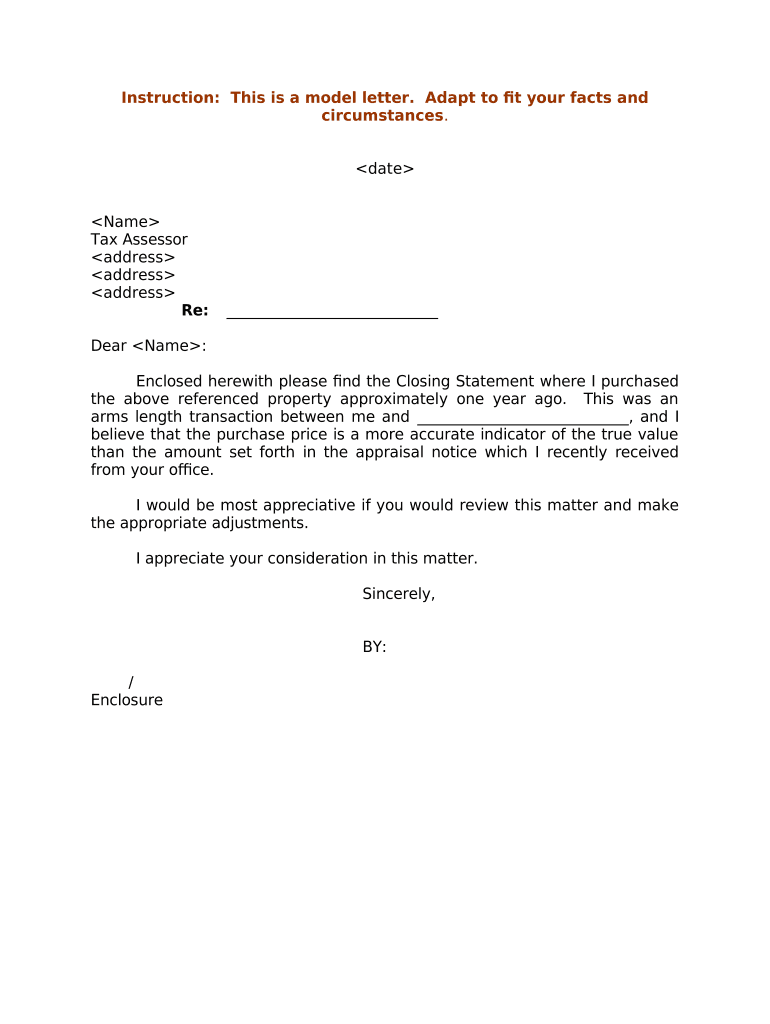
A closing statement, often referred to as a settlement statement, details the financial transactions involved in the closing of a real estate sale. It serves as a summary of all the costs and fees associated with the property transaction, including the purchase price, closing costs, and credits to the buyer or seller. This document is crucial for both buyers and sellers, as it ensures all parties understand their financial obligations and entitlements.
- Key Components:
- Purchase price: Reflects the agreed-upon cost for the property.
- Closing costs: Includes various fees such as loan origination fees, title insurance, appraisal costs, and recording fees.
- Credits and debits: Adjustments made for taxes, utilities, or any negotiated items included in the sale.
Understanding the elements of a closing statement allows both buyers and sellers to verify that the transaction aligns with their agreements and legal obligations.
Common Uses of a Closing Statement
The primary purpose of a closing statement is to provide a clear breakdown of the financial aspects of a real estate transaction. Below are several common uses:
- Verification of Costs: Enables both parties to confirm the total costs involved in the buying or selling process.
- Tax Records: Serves as an essential document for tax preparation, reflecting property sales for capital gains or losses.
- Loan Application: Lenders often require a closing statement to finalize mortgage applications.
- Dispute Resolution: A well-documented closing statement provides a record that can be referenced in case of disputes regarding financial terms.
Navigating these uses can simplify processes for buyers and sellers, ensuring clarity and compliance with financial expectations.
Key Elements in a Closing Statement
Understanding the key elements of a closing statement is essential for effective communication between all parties involved. Significant components include:
-
Transaction Details:
- Names of the buyer and seller.
- Property address and legal description.
- Date of the closing.
-
Financial Breakdown:
- Itemized listing of charges and credits for the buyer and seller.
- Final amounts due at closing for both parties.
-
Settlement Charges:
- Costs related to the lender, title company, and other parties involved in the closing.
- Specific fees such as inspection costs, escrow fees, and homeowners' association dues.
Analyzing these components fosters a comprehensive understanding of the transaction, enhancing transparency in the sale process.
Steps to Prepare a Closing Statement
Creating a closing statement involves several systematic steps to ensure accuracy and completeness. Here are the essential steps to prepare one:
-
Gather Necessary Information:
- Compile details about the property transaction, including written agreements and associated fees.
-
List Financial Obligations:
- Itemize all closing costs, including real estate agent commissions and loan fees.
-
Calculate Total Costs:
- Add up the costs and determine the final amounts owed by the buyer and seller.
-
Include Relevant Credits:
- Account for any seller credits or concessions negotiated during the sale.
-
Review and Finalize:
- Ensure all items are double-checked for accuracy before presenting to all parties for signatures.
Following these steps helps create an organized and clear closing statement that reflects the financial aspects of the property sale accurately.
Legal Considerations for Closing Statements
Understanding the legal implications surrounding closing statements is vital. The closing statement is more than just a financial document; it also holds legal weight. Key legal considerations include:
- Regulatory Compliance: Ensure that the closing statement adheres to the Real Estate Settlement Procedures Act (RESPA) and relevant state laws governing real estate transactions.
- Disclosure Requirements: Certain disclosures must be included, particularly around closing costs and potential conflicts of interest to prevent legal disputes.
- Signature Authenticity: The closing statement must be signed by all relevant parties, confirming their agreement to the terms and fees.
Recognizing the legal responsibilities related to a closing statement promotes a smoother transaction process, minimizing potential litigation risks.
Examples of Closing Statements
Reviewing real-world examples of closing statements can enhance comprehension for those involved in property transactions. Consider the following illustrative cases:
-
Residential Property Sale: A buyer purchases a home for $300,000 with total closing costs amounting to $8,000. The closing statement details the breakdown of costs, including inspection fees and title insurance.
-
Commercial Property Transaction: In a sale involving commercial real estate, the purchase price is $1,000,000. The closing statement would list extensive costs such as advanced legal fees, brokerage commissions, and property appraisal expenses.
These examples illustrate not only the format of closing statements but also highlight the complexity of items commonly included in a real estate transaction.
Final Thoughts on Using a Closing Statement
A well-prepared closing statement is an essential document for any real estate transaction. Not only does it ensure clarity regarding financial obligations, but it also serves as a reference for legal compliance and future financial planning. Understanding its components, preparing properly, and knowing the legal implications are critical for buyers and sellers alike.
By utilizing closing statements effectively, parties involved in a transaction can foster a smoother closing experience and maintain transparency throughout the real estate process.