


Beneficiary information 2026

Get Form
beneficiary information Preview on Page 1

Here's how it works

01. Edit your form online
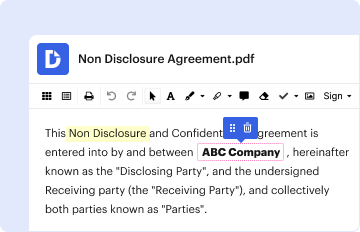
Type text, add images, blackout confidential details, add comments, highlights and more.
02. Sign it in a few clicks
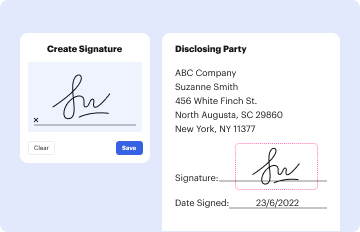
Draw your signature, type it, upload its image, or use your mobile device as a signature pad.
03. Share your form with others
Send it via email, link, or fax. You can also download it, export it or print it out.

How to use or fill out beneficiary information with our platform

Form edit decoration
9.5
Ease of Setup
DocHub User Ratings on G2
9.0
Ease of Use
DocHub User Ratings on G2
  1. Click ‘Get Form’ to open the beneficiary information form in the editor.
  2. Begin by entering your name as the Beneficiary in the designated field. Ensure that you provide your full legal name for accuracy.
  3. Next, fill in your complete address, including street address, city, county, state, and zip code. This information is crucial for identification purposes.
  4. In the section for Assignee's name, enter the full name of the individual or entity to whom you are assigning your interest in the trust.
  5. Provide the Assignee's address in the same format as yours. This ensures that all parties are correctly identified.
  6. Detail the specific interest being assigned from the trust estate. Be clear and precise about what is being transferred.
  7. Finally, sign and date the document at the bottom to validate your assignment. Make sure to include any required witness or notary sections if applicable.

Start using our platform today to easily fill out and manage your beneficiary information for free!

be ready to get more

Complete this form in 5 minutes or less

Get form

Got questions?

We have answers to the most popular questions from our customers. If you can't find an answer to your question, please contact us.
Contact us
Banks use the beneficiary name as a key verification factor to process transactions securely. For example, if you are transferring money to a friend, you must enter their full name as per their bank records. A mismatch between the entered name and account details can lead to failed or delayed transactions.
People usually name those who are closest to them as beneficiaries. Some examples of beneficiaries are: Close family members like a spouse or children. Other loved ones or friends. Your childrens guardians.
A beneficiary is the person or entity that you legally designate to receive the benefits from your financial products. For life insurance coverage, that is the death benefit your policy will pay if you die. For retirement or investment accounts, that is the balance of your assets in those accounts.
This term is commonly used when a person receives a will, a policy or simply opens a bank account. Naming the person as beneficiary ensures that the money and assets are sent to the right person. This leads to easy money transfer and eliminates possible confusion between potential claimants.
Beneficiaries should be designated for your important assets, including property, insurance policies, retirement accounts, brokerage accounts and more. Many people choose the following beneficiaries: A spouse or long-term partner. Adult children.

Security and compliance

At DocHub, your data security is our priority. We follow HIPAA, SOC2, GDPR, and other standards, so you can work on your documents with confidence.

Learn more
ccpa2
pci-dss
gdpr-compliance
hipaa
soc-compliance

People also ask

Specify who a primary beneficiarys share will go to if they die before you do. For example, if you name your three cousins as your primary beneficiaries, you can name the children of each cousin as alternate primary beneficiaries.

Related links