A motion form 2026

Get Form
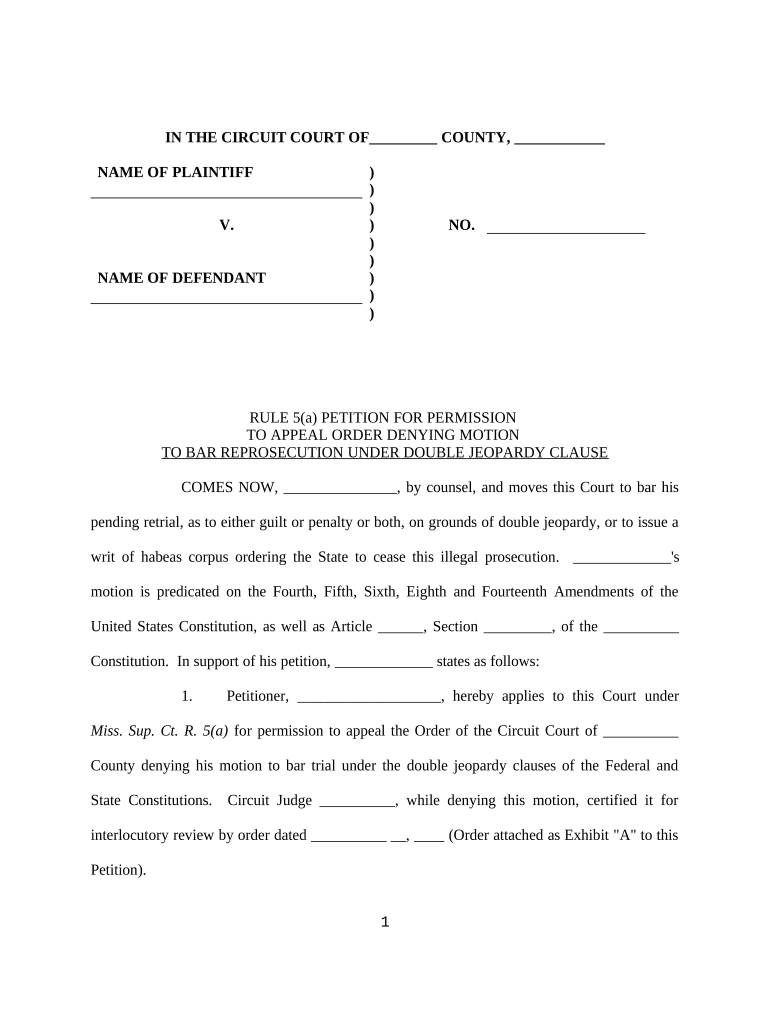
a motion form Preview on Page 1

Here's how it works

01. Edit your form online
Type text, add images, blackout confidential details, add comments, highlights and more.
02. Sign it in a few clicks
Draw your signature, type it, upload its image, or use your mobile device as a signature pad.
03. Share your form with others
Send it via email, link, or fax. You can also download it, export it or print it out.

How to use or fill out a motion form with our platform

Form edit decoration
9.5
Ease of Setup
DocHub User Ratings on G2
9.0
Ease of Use
DocHub User Ratings on G2
  1. Click ‘Get Form’ to open the motion form in the editor.
  2. Begin by filling in the 'Name of Plaintiff' and 'Name of Defendant' fields at the top of the form. Ensure that you enter accurate names as these will be used throughout the document.
  3. In the section labeled 'Comes Now,' input your name and any relevant counsel information. This establishes who is making the motion.
  4. Proceed to detail your request in the body of the motion, specifically addressing grounds for appeal under double jeopardy. Use clear and concise language to articulate your argument.
  5. Complete any additional sections that require factual support or legal citations, ensuring all necessary amendments are made according to your case specifics.
  6. Finally, review all entries for accuracy before saving or submitting your completed motion form through our platform.

Start using our editor today to streamline your document editing and ensure a smooth filing process!

be ready to get more

Complete this form in 5 minutes or less

Get form

Got questions?

We have answers to the most popular questions from our customers. If you can't find an answer to your question, please contact us.
Contact us
3:00 4:10 In summary yes you can file a motion without a lawyer by understanding court rules preparing yourMoreIn summary yes you can file a motion without a lawyer by understanding court rules preparing your motion properly. And following the necessary steps you can navigate the process of self-representation
A motion is simply a request to the court for some action. An example is a motion for an extension of time to file something.
When you file your motion, the court clerk will insert the date, time, and place of the hearing on your motion. You must then serve (mail) a copy of your filed motion (including all exhibits and the date, time, and place of hearing) to all other parties in the case.
A motion is an application to the court made by the prosecutor or defense attorney, requesting that the court make a decision on a certain issue before the trial begins. The motion can affect the trial, courtroom, defendants, evidence, or testimony. Only judges decide the outcome of motions.
A motion is a written request or proposal to the court to get an asked-for order, ruling, or direction. There are a variety of motions, and it has become standard practice to file certain motions with the court based on the type of case.

People also ask

You, or your attorney on your behalf, will file a Notice of Motion which includes a list of requests for the court to rule upon. You will also submit a Certification listing the reasons you are making these requests of the Court and why the Judge should grant your relief, effectively your testimony.
A motion or petition is a request for the court to make a decision. A hearing or trial is the time when the court (a judge, general magistrate, or a hearing officer) makes the decision on a partys motion or petition. Generally, motions are decided at a hearing and petitions are decided at a trial.

Related links