




Here's how it works
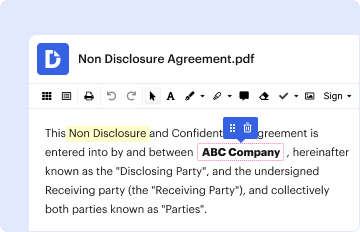
01. Edit your judgment exemptions in tennessee online
Type text, add images, blackout confidential details, add comments, highlights and more.
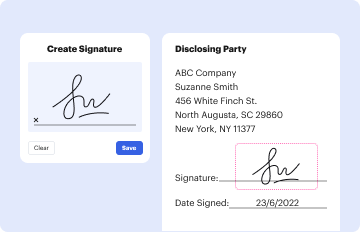
02. Sign it in a few clicks
Draw your signature, type it, upload its image, or use your mobile device as a signature pad.
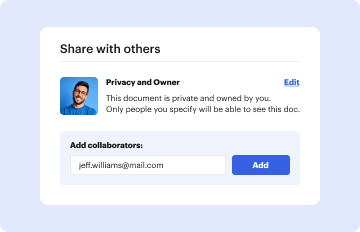
03. Share your form with others
Send can you show me one via email, link, or fax. You can also download it, export it or print it out.
How to use or fill out Tennessee Judgment with our platform

- Click ‘Get Form’ to open the Tennessee Judgment document in the editor.
- Begin by filling in the court name and county at the top of the form. This identifies where the judgment was issued.
- Enter the cause number, which is essential for tracking your case. This number can usually be found on previous court documents.
- In the plaintiff section, provide the names of all plaintiffs involved in this action. Ensure accuracy as this information is critical.
- Next, fill in the defendant's name and details regarding the judgment amount, including any interest or fees that may apply.
- Complete the acknowledgment section by signing and dating it. If applicable, include your attorney’s information and bar number.
- Finally, ensure you complete the notary acknowledgment section correctly, as this validates your document before submission.
Start using our platform today to streamline your Tennessee Judgment process for free!
Fill out tennessee judgment online
It's free
It's free
Got questions?
We have answers to the most popular questions from our customers. If you can't find an answer to your question, please contact us.
Contact us
What happens if a defendant does not pay a judgment in TN?
A default civil judgment will be taken against you. 3. How do I collect my Civil Judgment? A civil money judgement may be collected by issuing a wage garnishment or execution against the defendant.
How to enforce a judgment in Tennessee?
How do I collect my judgment? The Plaintiff or Attorney of record can request the issuance of a garnishment or levy. You must have knowledge that the judgment debtor owns land or personal property free of liens or mortgages to issue a levy to satisfy the judgment.
How long is a judgement good for in Tennessee?
Tennessee judgments are good for 10 years. Tenn. Code Ann. 28-3-110(2) limits the life of a judgment and provides that actions on judgments and decrees of courts of record of this or any other state or government
What are the three types of judgment?
Judgment is a court decision that settles a dispute between two parties by determining the rights and obligations of each party. Judgments are classified as in personam, in rem, or quasi in rem. Judgments are usually monetary, but can also be non-monetary, and are legally enforceable.
What happens if you win a lawsuit and they refuse to pay?
Remember, the courts decision is final. The defendant must pay their legal debt. If they cant pay immediately, legal mechanisms can help you collect later. This may involve payment plans or monitoring assets.
Security and compliance
At DocHub, your data security is our priority. We follow HIPAA, SOC2, GDPR, and other standards, so you can work on your documents with confidence.
Learn more


People also ask
What if the defendant has no money?
Furthermore, a lawsuit judgment is determined by the defendants liability, not their ability to pay. If the court finds the defendant responsible, they are legally required to compensate you, even if they currently lack the funds.
What personal property can be seized in a judgement in Tennessee?
Attachment and Execution: In Tennessee, personal property such as vehicles, boats, equipment, inventory, stocks, and bonds can be sold to satisfy debts owed by the owner of the personal property.
How does a judgement work in Tennessee?
Heres how it works. In a civil court case, after a judge or jury hands down a verdict -- or after a court-approved settlement -- a judgment is entered by the court. As part of a typical judgment, the court orders the payment of money from one person to another.