Definition and Meaning of Offer of Judgment in NJ
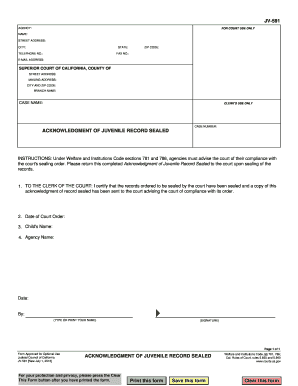
An offer of judgment in New Jersey is a legal document whereby a party (typically the defendant) proposes a judgment to the opposing party (typically the plaintiff) in a civil suit. This document outlines the defendant's willingness to allow judgment against them for a specific amount. The underlying purpose is to encourage settlements without proceeding to trial, thereby saving time and legal expenses for both parties. The offer is made pursuant to Rule 68 of the New Jersey Rules of Court, which provides the framework for this process.
When an offer of judgment is made, it remains open for acceptance for a specific period, generally 10 days. If the plaintiff accepts the offer within this timeframe, the court will enter judgment according to the terms of the offer. If the offer is not accepted, it may be withdrawn, and the case can proceed to trial. This mechanism also allows the offering party to recover costs if the ultimate judgment is lower than the amount specified in the offer.
Key Elements of the Offer of Judgment in NJ
- Defendant's Proposal: The offer must clearly state the amount proposed for judgment.
- Time Frame for Acceptance: There is a set period during which the opposing party can accept the offer.
- No Prejudice: Accepting the offer does not affect the rights of the parties; it resolves the matter without trial.
- Cost Recovery: If the result at trial is less favorable than the offer, the offering party may recover litigation costs.
Importance of Understanding Key Elements
Comprehending these elements helps parties make informed decisions regarding whether to accept or reject an offer. It also impacts strategic planning throughout the litigation process.
Steps to Complete the Offer of Judgment in NJ
- Prepare the Document: Begin by drafting the offer of judgment, ensuring it adheres to the requirements set forth in Rule 68.
- Specify Details: Clearly outline the specific amount being offered in judgment and any other relevant terms.
- Send the Offer: Deliver the offer of judgment to the opposing party, typically through certified mail or direct delivery.
- Wait for Response: Allow the recipient the stipulated time (usually 10 days) to accept the offer of judgment.
- File with the Court: If the offer is accepted, file the accepted document with the court to finalize the judgment.
Detailed Explanation of Each Step
- Prepare the Document: Utilize a standard template to ensure all legal requirements are met. This includes the case information, offer content, and signatures from the offering party and their attorney.
- Specify Details: Beyond the monetary amount, consider including terms about costs, interest, or any other stipulations that could be pertinent to the settlement.
- Send the Offer: Document the method of delivery and keep a record of the date it was sent to prove that proper notice was given.
- Wait for Response: It is advisable to monitor this period and document any communication regarding acceptance or negotiation.
- File with the Court: Ensure that all paperwork is completed correctly to prevent delays in the judgment being recorded.
Legal Use of the Offer of Judgment in NJ
The offer of judgment serves a specific legal purpose within the New Jersey court system. It encourages parties to settle cases before incurring further expenses associated with trials. The use of this mechanism is legally binding, meaning that once accepted, the court enforces the judgment according to the offer's terms.
Advantages of Legal Use
- Cost Efficiency: Reduces legal fees associated with prolonged litigation.
- Speed: Allows for quicker resolution of disputes.
- Risk Mitigation: Lowers the potential risk for both sides by providing a clear outcome.
Important Terms Related to Offer of Judgment in NJ
Key Legal Terms to Know
- Rule 68: The rule governing the offer of judgment process.
- Plaintiff: The party initiating the lawsuit against another party.
- Defendant: The party being accused or sued.
- Acceptance: The action taken by the plaintiff to agree to the offer of judgment made by the defendant.
- Withdrawal: The act of retracting the offer before acceptance.
Each of these terms plays a critical role in the understanding and application of the offer of judgment process in New Jersey. Legal professionals and litigants alike must be familiar with these terms to navigate the complexities of civil litigation effectively.
Examples of Using the Offer of Judgment in NJ
Consider a scenario where a plaintiff is seeking damages for personal injury as a result of a car accident. The defendant, upon evaluating the circumstances, may decide to issue an offer of judgment for a specific amount of $50,000.
Practical Application
- Case Example: A party may choose to file an offer of judgment when they believe the potential exposure at trial exceeds the offer amount. This can be common in cases where liability is clear, and damages may significantly exceed the offer if found fully liable.
- Outcome Scenarios: If the plaintiff accepts the $50,000 offer, the matter is resolved quickly and efficiently. If the trial results in a judgment of $30,000, the defendant can recover costs associated with the trial, as the outcome was less favorable than the original offer. Conversely, if the verdict exceeds $50,000, the defendant is required to honor their acceptance terms, potentially at a higher cost.
Each situation involving an offer of judgment may vary based on specific case details, legal strategy, and negotiation dynamics. Understanding these examples helps parties appreciate the tactical advantages of utilizing offers of judgment effectively.