Mineral deed 2026

Get Form
mineral deed Preview on Page 1

Here's how it works

01. Edit your form online
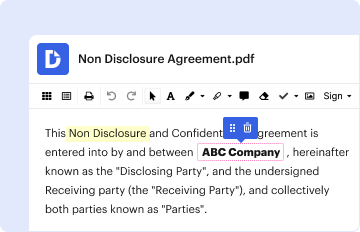
Type text, add images, blackout confidential details, add comments, highlights and more.
02. Sign it in a few clicks
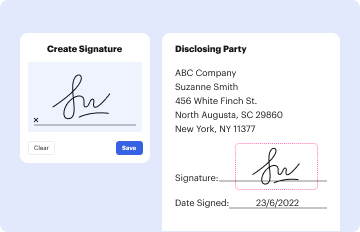
Draw your signature, type it, upload its image, or use your mobile device as a signature pad.
03. Share your form with others
Send it via email, link, or fax. You can also download it, export it or print it out.

How to use or fill out mineral deed with our platform

Form edit decoration
9.5
Ease of Setup
DocHub User Ratings on G2
9.0
Ease of Use
DocHub User Ratings on G2
  1. Click ‘Get Form’ to open the mineral deed in the editor.
  2. Begin by filling in the 'Grantor' section with the name and mailing address of the individual transferring the mineral rights.
  3. Next, complete the 'Grantee' section with the name and mailing address of the individual receiving the mineral rights.
  4. In the 'Consideration' field, enter the amount being exchanged for the mineral rights. This can include cash and other valuable considerations.
  5. Specify the property details, including county and a description of the land where mineral rights are being conveyed.
  6. Review any reservations or exceptions that may apply to this conveyance, ensuring all conditions are clearly stated.
  7. Finally, have the Grantor sign and date the document. Ensure that a notary public acknowledges this deed for it to be legally binding.

Start using our platform today to easily fill out your mineral deed online for free!

be ready to get more

Complete this form in 5 minutes or less

Get form

Got questions?

We have answers to the most popular questions from our customers. If you can't find an answer to your question, please contact us.
Contact us
The quitclaim deed simply transfers any interest they may have to the other party. Because of the lack of title guarantees, quitclaim deeds are most often used to transfer property between two parties who know and trust each other, such as family members.
A quitclaim deed is considered a permanent transfer of ownership between the grantor and grantee, so theres no limit to the term of ownership.
That means the mineral estate owner has the right to explore, drill, mine and extract natural resources from the subsurface of your property without your permission, he said. If someone owns the mineral rights on your property, they can also grant oil and gas leases to other entities.
Mineral rights are automatically included as a part of the land in a property conveyance, unless and until the ownership gets separated at some point by an owner/seller. An owner can separate the mineral rights from land by: Conveying (selling or otherwise transferring) the land while retaining the mineral rights.
Mineral rights deeds are not the same as royalty deeds. Royalty deeds do not allow for surface access, or for the initiation of the extraction and sale of minerals. A royalty owner will only benefit economically if the mineral owner decides to produce and sell the minerals.

Security and compliance

At DocHub, your data security is our priority. We follow HIPAA, SOC2, GDPR, and other standards, so you can work on your documents with confidence.

Learn more
ccpa2
pci-dss
gdpr-compliance
hipaa
soc-compliance

People also ask

The purpose of a mineral deed is to grant the owner of a property the right to extract minerals from the land. This can be done for a variety of reasons, including: To generate income from the sale of minerals. To use the minerals for personal or commercial purposes.

Related links