Quitclaim Deed from Husband and Wife to Trust - Oregon 2026

Get Form
Quitclaim Deed from Husband and Wife to Trust - Oregon Preview on Page 1

Here's how it works

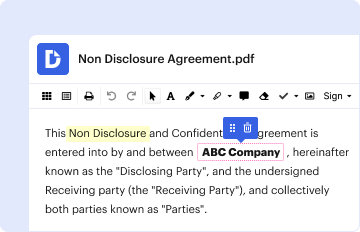
01. Edit your form online
Type text, add images, blackout confidential details, add comments, highlights and more.
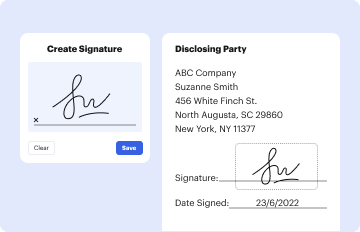
02. Sign it in a few clicks
Draw your signature, type it, upload its image, or use your mobile device as a signature pad.
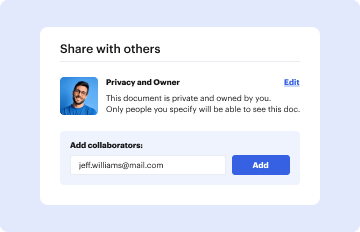
03. Share your form with others
Send it via email, link, or fax. You can also download it, export it or print it out.

How to use or fill out Quitclaim Deed from Husband and Wife to Trust - Oregon

Form edit decoration
9.5
Ease of Setup
DocHub User Ratings on G2
9.0
Ease of Use
DocHub User Ratings on G2
  1. Click ‘Get Form’ to open it in the editor.
  2. Begin by entering the names of the Grantors (Husband and Wife) in the designated fields. Ensure that both names are clearly printed.
  3. Fill in the Grantee's name, which is the Trustee under the trust agreement, along with their street address.
  4. Specify the legal description of the property being transferred. This may be attached as Exhibit A; ensure it is referenced correctly.
  5. Indicate any encumbrances on the property, if applicable, in the provided section.
  6. Enter the true consideration paid for this transfer in dollars in the appropriate field.
  7. Both Grantors must sign and print their names where indicated. Ensure that you also complete any notary requirements as specified.

Start using our platform today to easily fill out your Quitclaim Deed for free!

be ready to get more

Complete this form in 5 minutes or less

Get form

Got questions?

We have answers to the most popular questions from our customers. If you can't find an answer to your question, please contact us.
Contact us
Trusts may be revocable or irrevocable. A revocable trust (sometimes known as a living trust) allows trustees to easily transfer assets and property into and out of the trust, but an irrevocable trust is less flexible. In general, assets placed into an irrevocable trust must remain there until a court dissolves it.
Using a quitclaim deed could trigger unwanted tax consequences, such as gift taxes or capital gains taxes. Additionally, a quitclaim deed can introduce confusion about who truly owns a property after a transfer, which could lead to disputes later.
A quitclaim deed works by allowing one property owner to sign ownership over to another through a legal contract. The process is completed through the creation of a quitclaim deed form, which should include a description of the property, the date of the transfer, and the names of the individuals exchanging the title.
The quitclaim deed simply transfers any interest they may have to the other party. Because of the lack of title guarantees, quitclaim deeds are most often used to transfer property between two parties who know and trust each other, such as family members.
Failing to Verify the Titles Condition. One of the biggest mistakes people make when using a quitclaim deed is assuming that the propertys title is free and clear. A quitclaim deed transfers ownership, but it does not guarantee that the property is free from encumbrances such as liens, judgments, or unpaid taxes.

Security and compliance

At DocHub, your data security is our priority. We follow HIPAA, SOC2, GDPR, and other standards, so you can work on your documents with confidence.

Learn more
ccpa2
pci-dss
gdpr-compliance
hipaa
soc-compliance

People also ask

A quit claim deed is a type of deed that transfers an interest in real property, like a house, vacant land to another. Quit claim deeds are often used instead of warranty deeds when transferring property out of the trust.
Irrevocable Trusts: Best suited for long-term asset protection, estate tax benefits, and tailored distribution of assets. Quit Claim Deeds: Generally used in specific circumstances like family transfers or divorce settlements and come without any title warranties.
A beneficiary is absolutely entitled to an asset of a trust if they have a vested and indefeasible interest in the entire trust asset that is, they can direct the trustee to immediately transfer the asset to themselves or to someone else.

Related links