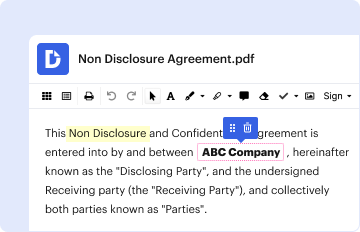
Type text, add images, blackout confidential details, add comments, highlights and more.
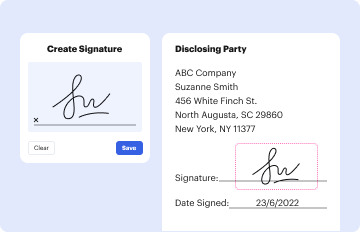
02. Sign it in a few clicks
Draw your signature, type it, upload its image, or use your mobile device as a signature pad.
03. Share your form with others
Send trustors deed via email, link, or fax. You can also download it, export it or print it out.
How to use or fill out Fiduciary Deed for use by Executors, Trustees, Trustors, Administrators and other Fiduciaries - Washington
Ease of Setup
DocHub User Ratings on G2
Ease of Use
DocHub User Ratings on G2
Click ‘Get Form’ to open it in the editor.
Begin by entering the Grantor's name and address in the designated fields. Ensure that all information is accurate as this identifies the individual or entity transferring the property.
Next, fill in the Grantee's details. This section specifies who will receive the property. Include names and addresses clearly to avoid any confusion.
Complete the Assessor’s Property Tax Parcel/Account Number and Legal Description fields. This information is crucial for identifying the specific property being conveyed.
In the body of the deed, specify your role (executor, trustee, etc.) and provide any necessary legal references from prior instruments if applicable.
Finally, sign and date the document where indicated. Ensure that a notary public witnesses your signature to validate the deed.
Start using our platform today to easily complete your Fiduciary Deed online for free!
Fill out Fiduciary Deed for use by Executors, Trustees, Trustors, Administrators and other Fiduciaries - Washington online It's free
rcw trust accountingfiduciary deed vs warranty deedwho can be a trustee on a deed of trust in washington statefiduciary deed ohiowashington state trust beneficiary rightswashington state trustee requirementshow do i transfer property into a trust in washington statewashington state trust law
Security and compliance
At DocHub, your data security is our priority. We follow HIPAA, SOC2, GDPR, and other standards, so you can work on your documents with confidence.
(1) Any power vested in three or more trustees jointly may be exercised by a majority of such trustees; but no trustee who has not joined in exercising a powerRead more
Questioning the Trust-Law Duty of Loyalty: Sole Interest or
by JH Langbein Cited by 416 It is quite common for the personal representative (that is, the executor or administrator, who is the trustee-equivalent fiduciary48 in administering a.Read more
Cookie consent notice
This site uses cookies to enhance site navigation and personalize your experience.
By using this site you agree to our use of cookies as described in our Privacy Notice.
You can modify your selections by visiting our Cookie and Advertising Notice.