Living Trust for Individual, Who is Single, Divorced or Widow or Widower with Children - Idaho 2026

Get Form
Living Trust for Individual, Who is Single, Divorced or Widow or Widower with Children - Idaho Preview on Page 1

Here's how it works

01. Edit your form online
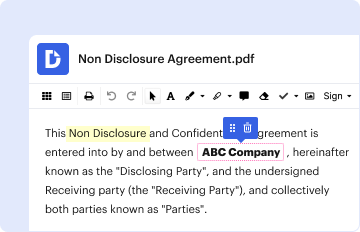
Type text, add images, blackout confidential details, add comments, highlights and more.
02. Sign it in a few clicks
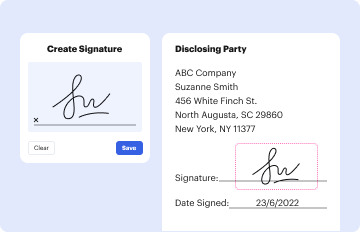
Draw your signature, type it, upload its image, or use your mobile device as a signature pad.
03. Share your form with others
Send it via email, link, or fax. You can also download it, export it or print it out.

How to use or fill out Living Trust for Individual, Who is Single, Divorced or Widow or Widower with Children - Idaho

Form edit decoration
9.5
Ease of Setup
DocHub User Ratings on G2
9.0
Ease of Use
DocHub User Ratings on G2
  1. Click ‘Get Form’ to open it in the editor.
  2. Begin by entering the date at the top of the form. This establishes when the trust is created.
  3. In Article I, specify the name of your trust. This will be used throughout the document.
  4. Fill in your personal details as the Trustor in Article II, including your name and address.
  5. List your children as beneficiaries under Article II. Ensure their names are correctly spelled.
  6. Designate a Trustee in Article III. You can appoint yourself or someone else as a Successor Trustee if needed.
  7. In Article IV, detail any assets you wish to include in the trust. Attach an Exhibit A if necessary.
  8. Review all sections carefully to ensure accuracy and completeness before finalizing your document.

Start using our platform today to create and manage your Living Trust effortlessly!

be ready to get more

Complete this form in 5 minutes or less

Get form

Got questions?

We have answers to the most popular questions from our customers. If you can't find an answer to your question, please contact us.
Contact us
The total cost to create a living trust with legal professionals can be between $1,000 and $3,000 in Idaho.
In Idaho, you can make a living trust to avoid probate for virtually any asset you ownreal estate, bank accounts, vehicles, and so on. You need to create a trust document (its similar to a will), naming someone to take over as trustee after your death (called a successor trustee).
A living trust has some downsides. It costs more upfront to set up than a will. You must actively transfer assets into it, which takes time and effort. Unlike a will, it doesnt provide court oversight, which could be a problem if disputes arise.
To create a living trust in Idaho, you create and then sign a declaration of trust in front of a notary. You then transfer ownership of assets into the trust to fund it. At this point it becomes effective. A revocable living trust offers a variety of benefits that may appeal to you and fill your needs.
The property in your Trust will not need to be probated, but the property outside of your Trust will.

Security and compliance

At DocHub, your data security is our priority. We follow HIPAA, SOC2, GDPR, and other standards, so you can work on your documents with confidence.

Learn more
ccpa2
pci-dss
gdpr-compliance
hipaa
soc-compliance

People also ask

Overall, to avoid having your assets pass through probate you need to ensure everything is transferred into a Living Trust. While this is often the goal, life happens and as things change it is entirely possible to leave something out here and there thats where the Pour Over Will comes in.
What Are the 7 Steps in the Estate Planning Process? List Your Assets and Liabilities. Define Your Estate Planning Goals. Draft Essential Estate Planning Documents. Consider Non-Probate Options. Update Beneficiaries. Plan for Taxes. Review and Update Your Estate Plan. Securing Your Legacy with a Thoughtful Estate Plan.
Many assets such as retirement accounts, life insurance policies, and bank accounts, allow you to name beneficiaries. By doing so, these assets can pass directly to your chosen beneficiaries upon your death, avoiding the probate process.

Related links