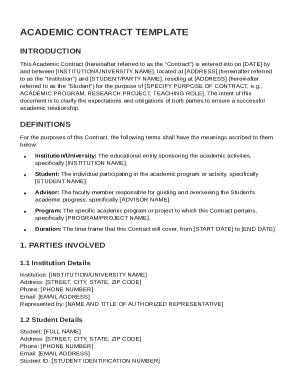
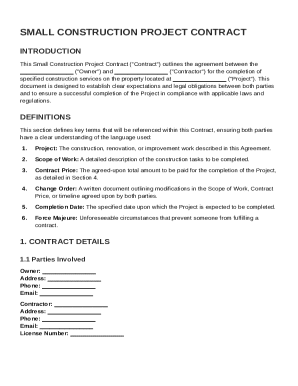
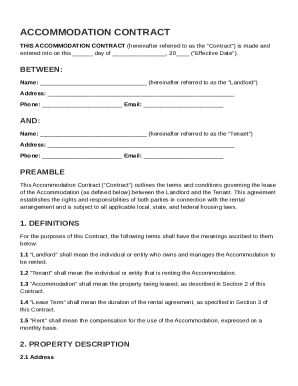
Type text, add images, blackout confidential details, add comments, highlights and more.
02. Sign it in a few clicks
Draw your signature, type it, upload its image, or use your mobile device as a signature pad.
03. Share your form with others
Send it via email, link, or fax. You can also download it, export it or print it out.
How to use or fill out Colorado Trust with our platform
Ease of Setup
DocHub User Ratings on G2
Ease of Use
DocHub User Ratings on G2
Click ‘Get Form’ to open the Colorado Trust document in the editor.
Begin by entering the date of the agreement at the top of the form. This is crucial for establishing when the trust becomes effective.
In Article I, specify the name of your trust. This should be a unique title that reflects your intent, such as 'The [Your Name] Revocable Living Trust'.
Proceed to Article II and fill in your details as the Trustor, including your full name and address. If applicable, list any co-Trustors.
Identify beneficiaries in Article II. Include names of all living children or other individuals who will benefit from the trust.
In Article III, appoint a Trustee by entering their name. You may also designate Successor Trustees if needed.
Complete Article IV by listing all assets you wish to include in the trust. Attach an Exhibit A if necessary for detailed descriptions.
Review all sections carefully to ensure accuracy and completeness before saving or printing your document.
Start using our platform today for free to streamline your Colorado Trust creation!
Unlike a will, a trust doesnt have to die with you. Assets can stay in your trust, managed by the person or corporate trustee you have chosen until your beneficiaries (including minor children) reach the age(s) you want them to inherit, or to provide for a loved one with special needs.
Can I write my own trust in Colorado?
The state uses the Uniform Probate Code, though, so unless your estate is particularly large or complex, it may not be needed in Colorado. You can make a living trust by yourself, but if you want to use one it may make sense to find an attorney to help you do it right.
Should I put my house in a trust Colorado?
The first, and most often used reason to have a trust is to avoid the probate process needed for a will. A living trust can avoid probate. A living trust can also help with passing assets on to your loved ones with greater ease of transfer. And a living trust can allow you to control assets after you die.
How much does it cost to set up a trust in Colorado?
Every resident estate and resident trust with Colorado-source income must file a Colorado Fiduciary Income Tax Return if it is required to file a federal income tax return, or if a resident estate or trust has a Colorado tax liability.
How much to set up a trust in Colorado?
The price for simple online trusts for less complicated estates ranges from $160 to $600. For more detailed and customized trusts, especially those involving significant assets or specific conditions, the costs start at around $3,000.
There is no minimum. You can create a trust with any amount of assets, as long as they have some value and can be transferred to the trust. However, just because you can doesnt necessarily mean you should. Trusts can be complicated.
Is it better to have a will or a trust in Colorado?
Trusts are used to avoid paying estate taxes in some situations. But more often, trusts are used to control how money will be distributed out to minor children or children with drug and/or alcohol abuse problems. If you do not have minor children, a will may be all you need.
Related links
The Colorado Trusts Healthy Communities Initiative
by R Conner 2009 Cited by 18 This article summarizes how 29 diverse communities throughout Colorado implemented the Colorado Healthy Communities Initiative (CHCI).Read more
Cookie consent notice
This site uses cookies to enhance site navigation and personalize your experience.
By using this site you agree to our use of cookies as described in our Privacy Notice.
You can modify your selections by visiting our Cookie and Advertising Notice.