
Music legal 2026

Get Form
music legal Preview on Page 1

Here's how it works

01. Edit your form online
Type text, add images, blackout confidential details, add comments, highlights and more.
02. Sign it in a few clicks
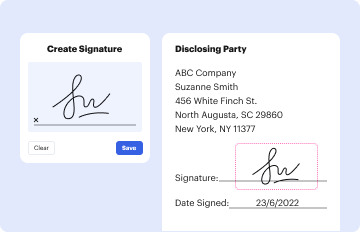
Draw your signature, type it, upload its image, or use your mobile device as a signature pad.
03. Share your form with others
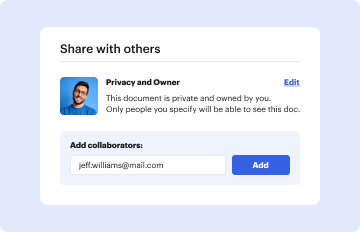
Send it via email, link, or fax. You can also download it, export it or print it out.

How to use or fill out music legal with our platform

Form edit decoration
9.5
Ease of Setup
DocHub User Ratings on G2
9.0
Ease of Use
DocHub User Ratings on G2
  1. Click ‘Get Form’ to open the Music Legal document in the editor.
  2. Begin by reviewing the form list provided. Each form serves a specific purpose, such as agreements for distribution, licensing, and performance. Familiarize yourself with these forms to determine which ones you need.
  3. Fill in the required fields for each selected form. For instance, if you are completing the Internet Music Distribution Agreement, ensure you input details about the parties involved and any specific terms related to distribution rights.
  4. Utilize the form fields feature in our editor to easily enter information. Click on each field to type your responses; some fields may disappear once filled, while others will remain visible.
  5. After completing all necessary sections, review your entries for accuracy before saving or exporting your document. This ensures that all legal aspects are correctly addressed.

Start using our platform today to streamline your music legal documentation process for free!

be ready to get more

Complete this form in 5 minutes or less

Get form

Got questions?

We have answers to the most popular questions from our customers. If you can't find an answer to your question, please contact us.
Contact us
Entertainment Attorney. Also called: Entertainment Lawyer, Music Lawyer.
Depending on the conditions, playing music in public places may be illegal. In general, it is unlawful to perform copyrighted music in public without the consent of the copyright owners. Playing music in a public location, such as a shop, restaurant, or street, is prohibited.
As the owner of your music, copyright gives you the right to make and sell copies, distribute those copies, make new works based on your work, and, with some limitations explained below, publicly perform or display the work.
In late 1998, Congress passed the Sonny Bono Copyright Term Extension Act which changed the 1976 Copyright Act by docHubly increasing the length of time a song remains under copyright protection. Different rules though apply for songs written prior to January 1, 1978 and those written on or after that date.
Playing Music for Personal Enjoyment One of the common issues that come up in music and copyright is whether permission or a license is needed to play music. Starting with the most private and simple of circumstances, you do not need a license to play music in your home for your personal enjoyment.

People also ask

Music copyright laws establish a legal framework that grants creators exclusive rights to control the distribution and use of their musical works for a specified duration. These laws protect both musical compositions, which include melodies and lyrics, and sound recordings, such as audio tracks.
Indeed, music law covers a range of traditional legal subjects including intellectual property law (copyright law, trademarks, image publicity rights, design rights), competition law, bankruptcy law, contract law, defamation and, for the live events industry, immigration law, health and safety law, and licensing.

Related links