
Sale of a Business Package - California 2026

Get Form
Sale of a Business Package - California Preview on Page 1

Here's how it works

01. Edit your form online
Type text, add images, blackout confidential details, add comments, highlights and more.
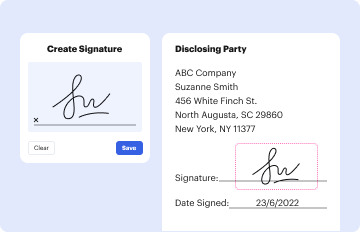
02. Sign it in a few clicks
Draw your signature, type it, upload its image, or use your mobile device as a signature pad.
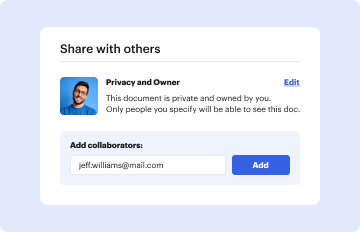
03. Share your form with others
Send it via email, link, or fax. You can also download it, export it or print it out.

How to use or fill out Sale of a Business Package - California with our platform

Form edit decoration
9.5
Ease of Setup
DocHub User Ratings on G2
9.0
Ease of Use
DocHub User Ratings on G2
  1. Click ‘Get Form’ to open the Sale of a Business Package in the editor.
  2. Begin with the 'Agreement for Sale of Business - Sole Proprietorship'. Fill in the seller's and buyer's details, including names and addresses, as well as the agreed sale price and terms.
  3. Next, complete the 'Asset Purchase Agreement' by listing all assets being sold. Ensure you specify any liabilities that may be included in the sale.
  4. For the 'Bill of Sale for Personal Assets', enter details about personal items being sold, ensuring they are free from claims.
  5. Fill out the 'Promissory Note' if financing is involved. Include loan amount, interest rate, and repayment schedule.
  6. Complete the 'Landlord’s Consent to Assignment of Lease' if applicable. This requires landlord approval for lease transfer.
  7. Use the 'Retained Employees Agreement' to list employees being retained post-sale along with their benefits.
  8. Incorporate a 'Non-Competition Covenant by Seller' to protect your business interests after sale.
  9. Finally, prepare a 'Profit and Loss Statement' to summarize financial performance prior to sale.

Start using our platform today for free to streamline your document editing and signing process!

be ready to get more

Complete this form in 5 minutes or less

Get form

Got questions?

We have answers to the most popular questions from our customers. If you can't find an answer to your question, please contact us.
Contact us
Depending on the amount of the sale price, the typical long-term capital gains tax rate is 15% or 20%. If you are lucky, you can even enjoy a 0% rate in some instances.
Unlike other states, the California tax on capital gains is taxed at the same rate as income. Additionally, California makes no distinction between long-term and short-term capital gains, and tax rates fall between 1% and 13.3% of your capital gains, depending on certain factors.
The purchaser of a business is liable, up to the amount of the purchase price, for sales tax assessed against the retailer after the sale of the business is consummated, measured by taxable sales made before the sale of the business.
Although sales and use taxes are paid by the consumer, it is the retailers responsibility to collect the tax and remit the amount collected to the state. Therefore, if an LLC sells taxable goods or services to the consumers of a state it must collect and pay the appropriate taxes to the state.
The Most Common Mistakes When Selling a Business (And How to Avoid Them) Not Demonstrating True Business Value. Overpricing the Business. Focusing on the Past Instead of the Future. Taking Advice from the Wrong People. Approaching the Wrong Buyers. Limiting the Buyer Pool. Failing to Prepare the Business for Sale.

Security and compliance

At DocHub, your data security is our priority. We follow HIPAA, SOC2, GDPR, and other standards, so you can work on your documents with confidence.

Learn more
ccpa2
pci-dss
gdpr-compliance
hipaa
soc-compliance

People also ask

In short, selling a business in California counts as ending the job for all employeesunless theres a clear agreement otherwise. That means workers must be paid everything theyre owed when the sale happens. The buyer cant just take over and assume the workers will go along unless the workers agree in writing.
When selling your business in California, the proceeds are subject to either ordinary income tax or capital gains tax depending on whether or not youve held ownership for over a year.
In most sales, the seller keeps the companys cash. Buyers usually purchase the business on a cash-free, debt-free basis, meaning the seller pays off any loans or long-term debt at closing. After assets are sold, the remaining net proceeds are distributed to shareholders.

Related links