



01. Edit your printable vaccine inventory log sheet online
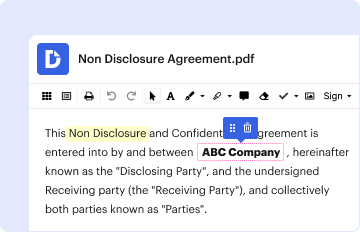
Type text, add images, blackout confidential details, add comments, highlights and more.

Type text, add images, blackout confidential details, add comments, highlights and more.
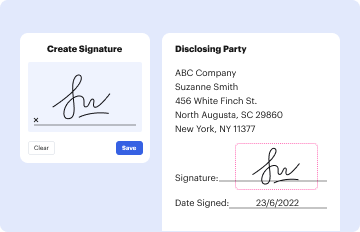
Draw your signature, type it, upload its image, or use your mobile device as a signature pad.

Send vaccine stock record sheet via email, link, or fax. You can also download it, export it or print it out.
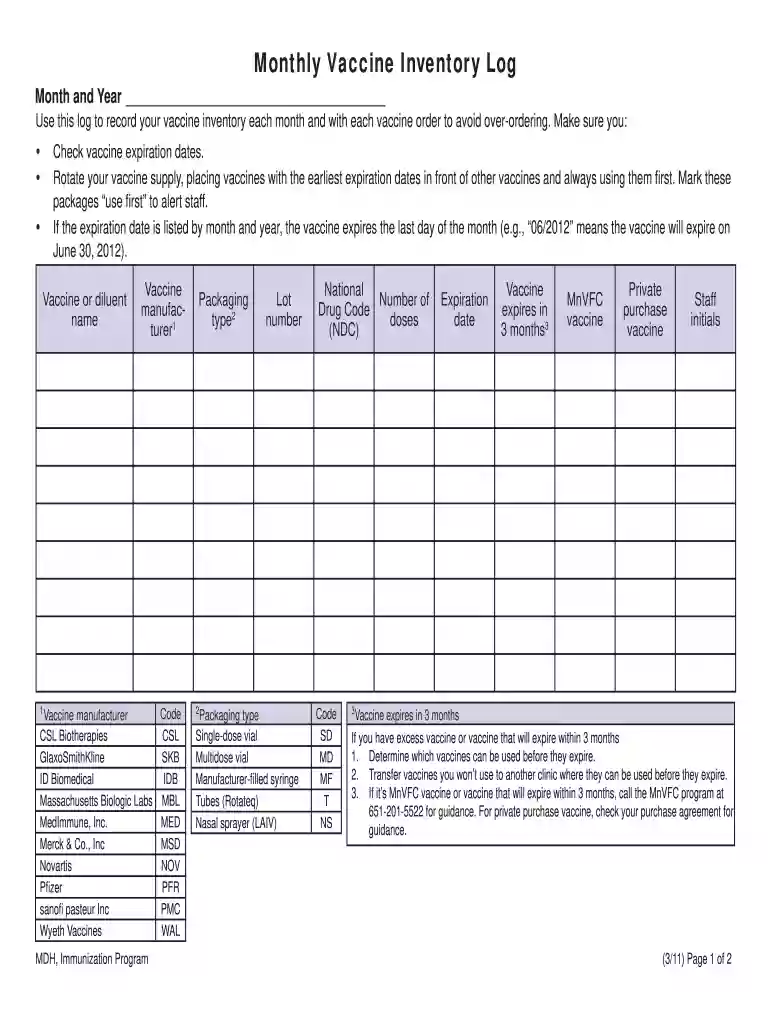
A printable vaccine inventory log sheet is a crucial tool utilized by healthcare providers to systematically track their vaccine supplies. This log helps ensure that vaccines are managed effectively, promoting both patient safety and operational efficiency. It enables providers to monitor stock levels, manage expiration dates, and prepare for audits or inspections. By maintaining accurate records of vaccine inventory, such as lot numbers and administration details, clinics can comply with regulations set forth by health authorities. Additionally, this form is beneficial for the Vaccine For Children (VFC) program, which mandates accurate inventory logs to ensure that vaccines are available for eligible children.
The log sheet typically includes spaces for vital information including:
Proper utilization of this log sheet not only aids in compliance with guidelines like those from the CDC but also enhances the overall management of vaccine inventory.
Using the vaccine inventory log sheet is straightforward, allowing practitioners to efficiently track their vaccine supplies. Follow these essential steps:
Download and Print: Obtain a quality PDF version of the vaccine inventory log sheet tailored for your needs. Ensure that it meets any specific format required by your healthcare operation.
Fill in Initial Details: Start by entering general information such as the date and location of your practice. This context sets the foundation for your logs.
Record Vaccine Details:
Update Inventory Regularly: After administering vaccines, update the sheet with the number of doses given. It’s essential to keep records current to avoid inventory discrepancies.
Monitor Temperature: If the log includes temperature tracking for vaccine storage, ensure to fill in these details consistently. Accurate temperature management is critical to vaccine efficacy.
Conduct Regular Reviews: Periodically review the log to identify low stock levels or nearing expiration dates. Schedule time for inventory checks, and rotate stock as needed.
By following these steps, providers can maintain an organized vaccine inventory, significantly reducing the risk of errors in vaccine management.
Completing the vaccine inventory log sheet involves a systematic approach to ensure all data is accurately recorded. Below are the steps to properly fill it out:
Gather Required Information: Assemble all necessary details about the vaccines in stock including packaging, lot numbers, and expiration dates. Knowing this information ahead of time streamlines the completion process.
Enter General Practice Details:
Document Each Vaccine:
Track Inventory Levels:
Initials for Oversight: Each entry should be signed off with the initials of the staff member responsible for updating the log. This adds accountability and assists in tracking who managed the data.
Date and Sign Log Updates: Whenever major updates are made — such as when new vaccines are received — ensure to date and initial these entries to maintain a clear record of changes.
By consistently following these steps, healthcare providers can maintain precise and reliable vaccine inventory records.
The pivotal elements of a vaccine inventory log sheet encompass comprehensive data points critical for effective management of vaccine supplies. Key components include:
Vaccine Identification: A designated area for detailing the vaccine name and specific manufacturer. This is essential for tracking vaccine provenance.
Lot Number and Expiration Date: These fields are crucial for ensuring that administered vaccines are safe and compliant with health standards.
Record of Doses Received and Administered: This section helps in maintaining a balance between supply and demand, allowing for timely reordering when stock levels drop.
Temperature Log: Some inventory sheets may include spaces for recording the refrigerator temperature where vaccines are stored. This is vital for ensuring the vaccines remain effective.
Staff Initials: A place for staff to initial each entry promotes accountability and streamlines the audit process.
These elements collectively support effective vaccine inventory control, aiding compliance and health outcomes.
Using the printable vaccine inventory log sheet effectively can be illustrated through various practical scenarios.
Scenario One: A pediatric clinic updates its log every Monday, reviewing stocks as they prepare for the week’s patient visits. They note any vaccines that are nearing expiration to ensure they are used promptly.
Scenario Two: A hospital pharmacy receives a new batch of vaccines. The pharmacist fills out the log sheet, entering the new lot numbers and expiration dates while cross-referencing with existing stock to ensure proper rotation.
Scenario Three: A health department conducts a monthly audit of their vaccine inventory. During this process, they utilize the log sheet to verify that all entries match the physical vaccines present. Discrepancies are addressed immediately by tracing back through the logs.
These examples emphasize the utility of the inventory log in diverse settings and highlight its role in promoting effective vaccine management practices.
We've got more versions of the printable vaccine inventory log sheet form. Select the right printable vaccine inventory log sheet version from the list and start editing it straight away!
| Versions | Form popularity | Fillable & printable |
|---|---|---|
| 2011 | 4.8 Satisfied (255 Votes) |
Approving paperwork on a mobile device is fast, easy, and doesn’t require software installation when you have an account with DocHub. Log in from any browser, fill in your empty fields with your information, and click on Sign → Create your signature. You can draw your eSignature the same way you usually do on paper, add its image to your vaccine log sheet pdf, or type in your name and stylize its look. No matter what option you choose, your document will be valid.
With DocHub, there are several convenient ways to edit your vaccine inventory log pdf online. You can drag and drop the form and modify it straight at the DocHub site or use our browser extension to fill out your form immediately. On top of that, you can modify your PDF on your smartphone, as DocHub is compatible with all the available mobile platforms.
At DocHub, your data security is our priority. We follow HIPAA, SOC2, GDPR, and other standards, so you can work on your documents with confidence.
May 19, 2020 Inventory of store cleaning supply prior to closure shall be taken and logged upon first entering store. All cleaning supplies shall be trackedRead more
Vaccine Inventory, Storage and Reporting ; E11-14498, Vaccine Management Plan Templates, PDF, 02/2024 ; EC-67, Vaccine Transfer Authorization Form, PDF, 03/2023.Read more
Guidelines: This checklist covers regulations issued by the U.S. Department of Labor, Occupational. Safety and Health Administration (OSHA) under theRead more


