
Revocable trust agreement 2026

Get Form
revocable trust agreement Preview on Page 1

Here's how it works

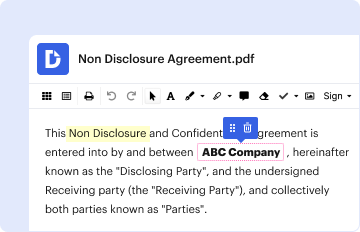
01. Edit your form online
Type text, add images, blackout confidential details, add comments, highlights and more.
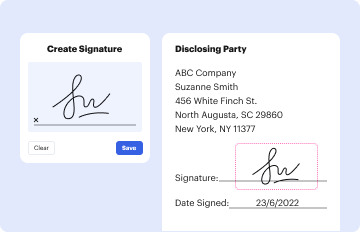
02. Sign it in a few clicks
Draw your signature, type it, upload its image, or use your mobile device as a signature pad.
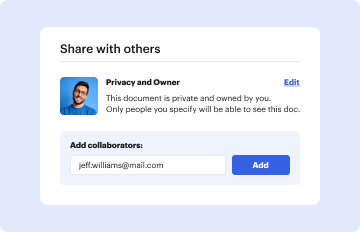
03. Share your form with others
Send it via email, link, or fax. You can also download it, export it or print it out.

How to use or fill out revocable trust agreement with our platform

Form edit decoration
9.5
Ease of Setup
DocHub User Ratings on G2
9.0
Ease of Use
DocHub User Ratings on G2
  1. Click ‘Get Form’ to open the revocable trust agreement in the editor.
  2. Begin by entering the date at the top of the form, followed by the names and addresses of both the Trustor and Trustee. Ensure all details are accurate for legal validity.
  3. In Section 1, describe the Trust Estate by referencing Exhibit A. This is crucial as it outlines what property is included in the trust.
  4. For Section 2, indicate any rights to revoke or amend the trust. Specify how changes can be made and ensure that both parties acknowledge this process.
  5. Continue through Sections 3 to 6, detailing any additions to the trust estate and how income and principal will be distributed. Be clear about beneficiaries' names and their relationship to the Trustor.
  6. In Section 7, outline the powers granted to the Trustee. This section is vital for defining their authority over trust assets.
  7. Finally, review all sections for accuracy before signing. Both Trustor and Trustee must sign at the end of the document, ensuring proper acknowledgment before a notary public if required.

Start using our platform today to easily complete your revocable trust agreement online for free!

be ready to get more

Complete this form in 5 minutes or less

Get form

Got questions?

We have answers to the most popular questions from our customers. If you can't find an answer to your question, please contact us.
Contact us
One of the biggest reasons why people include their house in their trust is to avoid probate. This process can be extremely lengthy and drive up unnecessary costs. By having a piece of property in your trust, it will be transferred quickly and directly to a designated beneficiary upon your death.
5 Things You Should Never Put in a Revocable Living Trust Retirement Accounts Name Beneficiaries, Dont Change Ownership. Life Insurance Proceeds Dictate Payouts With Policy Beneficiaries. Health Savings Medical Expense Accounts Protect Tax-Advantaged Treatment.
Not Protected from Creditors Revocable living trusts are not protected from creditors, so if you owe money to a company, the IRS, or another entity, this wont shield you from collection efforts.
The person who makes decisions about the money or property in the revocable living trust. They are called the trustee. In general, during the life of the grantor, the grantor is their own trustee. A trustee can be an individual or a financial institution.
People use trusts to keep control of their money and property and to designate who receives money and property once they die. One reason to set up a revocable living trust is to avoid the probate process after death. Probate is a public process, and it can be expensive and lengthy.

Security and compliance

At DocHub, your data security is our priority. We follow HIPAA, SOC2, GDPR, and other standards, so you can work on your documents with confidence.

Learn more
ccpa2
pci-dss
gdpr-compliance
hipaa
soc-compliance

People also ask

An irrevocable trust offers your assets the most protection from creditors and lawsuits. Assets in an irrevocable trust arent considered personal property.

Related links