




01. Edit your form 3949 a online online
Type text, add images, blackout confidential details, add comments, highlights and more.

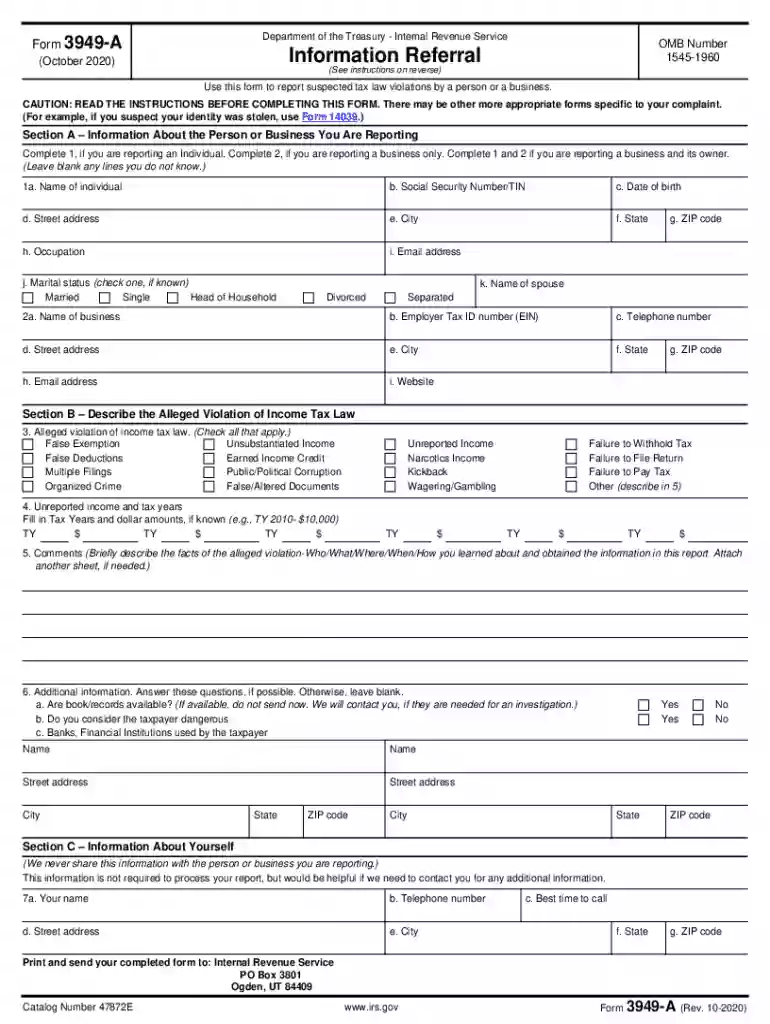
Type text, add images, blackout confidential details, add comments, highlights and more.

Draw your signature, type it, upload its image, or use your mobile device as a signature pad.

Send form 3949 a via email, link, or fax. You can also download it, export it or print it out.
IRS Form 3949-A, formally known as the Information Referral form, is used to report suspected tax law violations to the Internal Revenue Service (IRS) by individuals or businesses. This form serves as a primary mechanism for alerting the IRS to potential tax evasion, unreported income, fraud, or other non-compliance issues. It helps ensure that everyone pays their fair share of taxes, maintaining the integrity of the tax system. The form is specifically designed to gather detailed information about the alleged violations, making it easier for the IRS to investigate and take necessary action.
When completing IRS Form 3949-A, follow these steps to ensure all necessary information is accurately provided:
Identify the Person or Business: Enter the name and address of the person or business you are reporting. Include any known identifying details like Social Security Number (SSN) or Employer Identification Number (EIN).
Detail the Alleged Violation: Provide a clear description of the alleged tax law violation. This might include the type of unreported income, estimated dollar amounts, and any relevant dates.
Include Additional Information: Fill in additional fields with any known details about the person’s or business's activities. The more information you provide, the better the IRS can assess the situation.
Informational Sections: Complete sections relating to your personal details if you choose to disclose them, though it is optional. The IRS allows anonymous reporting, but contact information may be useful for providing follow-up information.
Review and Submit: Double-check all entered information for accuracy. Ensure you've followed the IRS's instructions before submitting the form via mail to the designated IRS address.
IRS Form 3949-A can be obtained through several straightforward methods:
Download from the IRS Website: The form is available for download from the official IRS website. Simply search for "Form 3949-A" in the forms and publications section.
Order by Phone: You can request the form by calling the IRS at 1-800-TAX-FORM ().
Visit Local IRS Office: You may pick up a copy of the form at a nearby IRS office if preferred.
This form is typically used by individuals who have credible information about tax law violations. Whistleblowers, former employees, or competitors aware of potential fraud or tax evasion use this form to report their findings to the IRS. It is a tool for those who wish to assist in maintaining legal tax practices without direct involvement or repercussions from the alleged party.
The form comprises several crucial elements that gather comprehensive details about the potential violation:
Section for Reporting Individual or Business: Involves fields for filing personal or business details, such as name, address, and identifiers.
Alleged Violation Description: Offers a narrative space or check-boxes to specify the nature of the violation.
Reporter’s Information: Optional section where the person reporting the information may, but is not required to, provide contact details for potential follow-up.
When submitting Form 3949-A, adhere to IRS-specific guidelines to ensure the submission is effective:
The form is intended for lawful use in alerting the IRS to valid concerns regarding tax compliance. Misuse, such as making false reports, may lead to penalties or legal consequences. It is important for individuals using this form to act in good faith and provide genuine, truthful information.
IRS Form 3949-A must be submitted by mail to the IRS office specified in the form's instructions. There are no online filing options currently available for this form. Ensure that the completed form is securely sealed in an envelope and sent to the IRS office for processing.
We've got more versions of the form 3949 a online form. Select the right form 3949 a online version from the list and start editing it straight away!
At DocHub, your data security is our priority. We follow HIPAA, SOC2, GDPR, and other standards, so you can work on your documents with confidence.


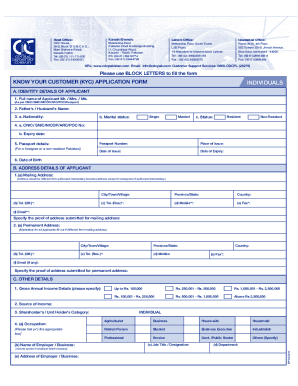
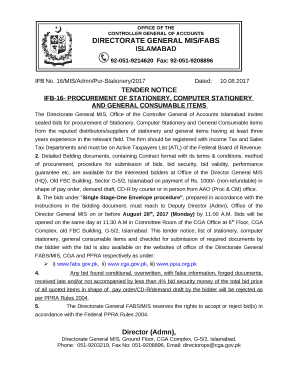
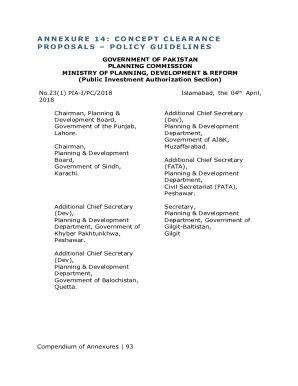
PAPERWORK REDUCTION NOTICE: We ask for the information on this form to carry out the Internal Revenue laws of the United States. This report is voluntary andRead more
Apr 15, 2015 You may be eligible to claim the premium tax credit if you, your spouse, or a dependent enrolled in health insurance through the HealthRead more
Use Form 3949-A to report alleged tax law violations by an individual, a business, or both. CAUTION: DO NOT USE Form 3949-A: o If you suspect your identity wasRead more


