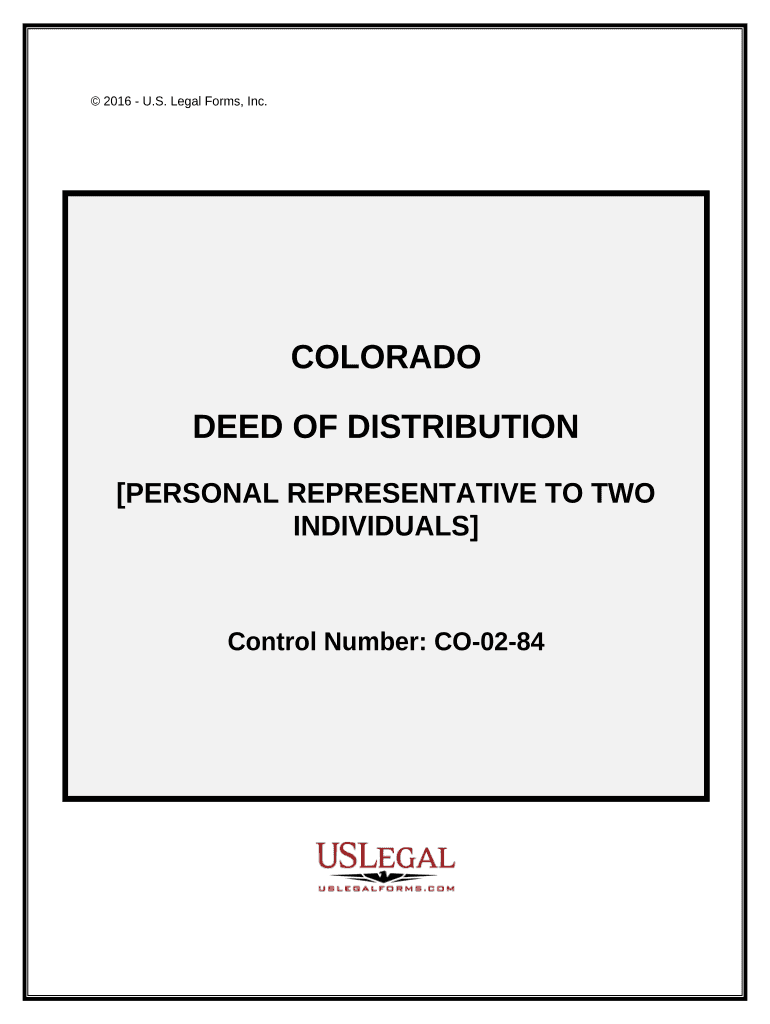
Deed personal representative 2026

Get Form
personal representative deed example Preview on Page 1

Here's how it works

01. Edit your personal representative deed example online
Type text, add images, blackout confidential details, add comments, highlights and more.
02. Sign it in a few clicks
Draw your signature, type it, upload its image, or use your mobile device as a signature pad.
03. Share your form with others
Send it via email, link, or fax. You can also download it, export it or print it out.

How to use or fill out deed personal representative with our platform

Form edit decoration
9.5
Ease of Setup
DocHub User Ratings on G2
9.0
Ease of Use
DocHub User Ratings on G2
  1. Click ‘Get Form’ to open the deed personal representative in the editor.
  2. Begin by entering your name and address as the Personal Representative at the top of the form. This identifies you as the individual authorized to distribute the estate.
  3. Next, specify the names and addresses of the Grantees who will receive the property. Ensure that this information is accurate to avoid any legal complications.
  4. Indicate how the Grantees will hold the property by selecting either 'Tenants in Common' or 'Joint Tenants with Right of Survivorship.' This choice affects how ownership is transferred upon death.
  5. Complete any additional fields regarding property description, including its location and any relevant tax information.
  6. Finally, sign and date the document as required, ensuring that all necessary acknowledgments are completed for notarization.

Start using our platform today to easily complete your deed personal representative form online for free!

be ready to get more

Complete this form in 5 minutes or less

Get form

Got questions?

We have answers to the most popular questions from our customers. If you can't find an answer to your question, please contact us.
Contact us
A personal representative has the following general responsi- bilities: Collecting and inventorying the assets of the estate; Managing the assets of the estate during the probate process; Paying bills, creditors and taxes; Making distributions to the heirs or devisees of the es- tate; and Closing the estate
A Personal Representatives deed, or PR deed, is a tool used to transfer title of real estate out of an estate. It is very similar to a quitclaim deed, only the person transferring the ownership of the property is the executor of an estate instead of the actual owner.
A common question regarding estate matters is whether a personal representative of a will can also be named a beneficiary. The short answer is yes one person can fulfill both roles. However, important considerations and potential challenges need to be carefully evaluated.
What Is a Personal Representative Deed? When someone dies owning an interest in real estate, the legal instrument used to transfer the property is a personal representative deed. Personal representative deeds provide essential information about the specific probate estate and related property transfer in one document.
While the starting position is that a Will can appoint anyone as a personal representative, there are some legal requirements limiting the possible executors. A personal representative must be: Over 18. Mentally capable.

Security and compliance

At DocHub, your data security is our priority. We follow HIPAA, SOC2, GDPR, and other standards, so you can work on your documents with confidence.

Learn more
ccpa2
pci-dss
gdpr-compliance
hipaa
soc-compliance

People also ask

How to fill out the Personal Representatives Deed for Estate Transfer? Identify the grantor and grantee information clearly. Describe the property in legal terms with accurate details. Include any financial considerations or exemptions. Sign the deed where indicated, following legal requirements.
For example, the personal representative has the power to acquire or dispose of an asset and sell, mortgage, or lease any real or personal property of the estate.

Related links