Definition and Meaning of an Heirs Agreement
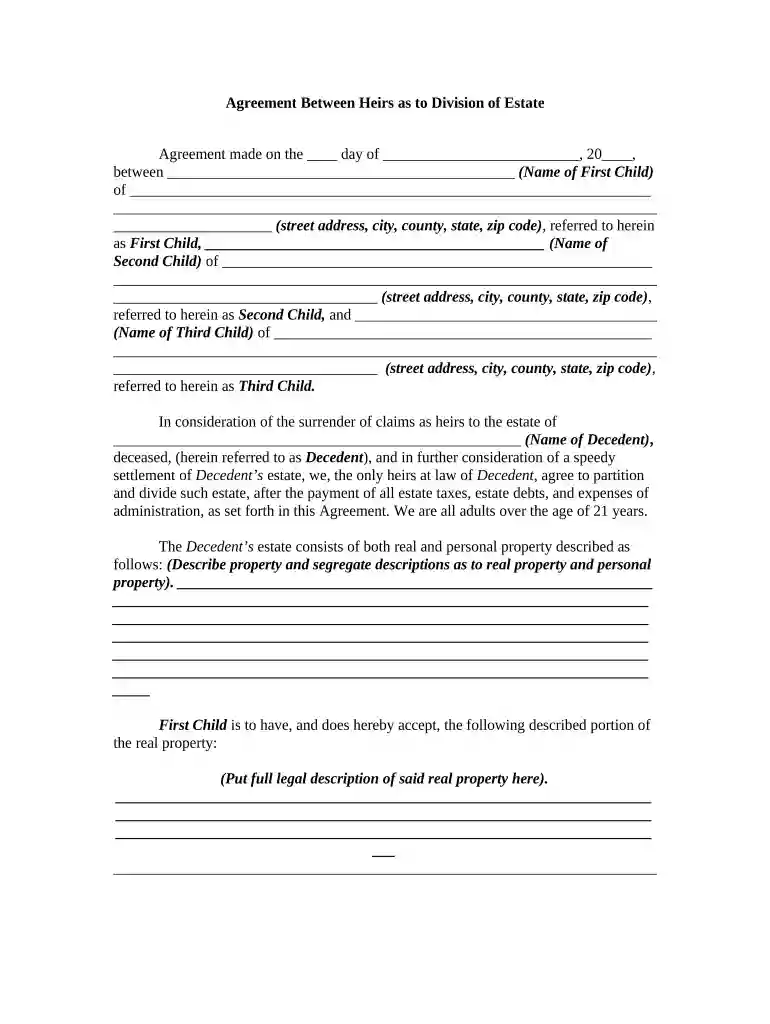
An heirs agreement, often referred to as an inheritance agreement, outlines the terms under which the estate of a deceased individual is to be distributed among designated heirs. This legally binding document delineates the rights and shares of each heir in both real and personal property after addressing outstanding debts, taxes, and other estate liabilities. A clear understanding and agreement among heirs help prevent disputes during the estate settlement process.
Core Components of an Heirs Agreement
- Identification of Heirs: Each heir must be clearly identified by name and relationship to the deceased.
- Division of Assets: The document specifies how various types of property, including real estate and personal belongings, will be divided. This includes detailed descriptions and valuations of assets.
- Dispute Resolution: To ensure a peaceful settlement, many heirs agreements include provisions for resolving disputes, often recommending arbitration as a method of conflict resolution.
Drafting an Heirs Agreement: Essential Elements
When preparing an heirs agreement, several key elements must be included to ensure legal efficacy and clarity.
- Title of the Agreement: Clearly label the document as an "Heirs Agreement" for official recognition.
- Date and Context: Document the date of the agreement and a brief context regarding the decedent's passing.
- Asset Inventory: List all assets in detail, which can include real estate, vehicles, bank accounts, stocks, and any other valuables.
- Agreed Shares: Specify the percentage or exact share of each heir, avoiding ambiguity.
- Signatures of All Parties: Obtain signatures from all heirs involved, often requiring witnesses or notarization for added legitimacy.
Steps for Validating an Heirs Agreement
Creating an enforceable heirs agreement involves a series of steps that ensure all legal requirements are met.
- Consult an Attorney: Seek guidance from a legal professional specializing in estate law to ensure compliance with state-specific laws and procedures.
- Gather Documentation: Collect necessary documents related to the decedent’s assets, including wills, previous agreements, and titles.
- Draft the Agreement: Utilize the components discussed earlier to draft the agreement.
- Review and Iterate: Share the draft with all heirs for input and consensus to minimize future disputes.
- Finalize and Sign: After necessary revisions, have all parties sign the document in the presence of a notary, if required by state law.
Importance of Clarity in Heirs Agreements
A well-structured heirs agreement is crucial for several reasons:
- Reduces Conflict: Clearly delineated shares and roles reduce the likelihood of disputes arising during the distribution process.
- Legal Protection: This document can provide legal recourse in case of disagreements or claims from outside parties.
- Streamlines Estate Settlement: By establishing terms upfront, the heirs can facilitate a smoother transition of assets, allowing for quicker settlement of the estate.
Common Mistakes to Avoid
When creating an heirs agreement, certain pitfalls should be avoided to ensure the final document is effective and binding.
- Ambiguity: Vague language regarding asset distribution can lead to disputes. Be specific in descriptions and allocations.
- Failure to Update: If circumstances change (like new heirs or legal alterations), ensure the agreement is updated to reflect these changes.
- Ignoring Tax Implications: Consult with a tax professional to understand any liabilities involved in asset transfers, which can affect heirs' net gains.
Legal Framework Surrounding Heirs Agreements
Heirs agreements must comply with state laws that govern estate management. In the U.S., these laws may dictate:
- Probate Procedures: Some assets may need to go through probate, affecting how they can be distributed.
- Estate Taxes: Understanding potential estate or inheritance taxes that could apply to the distribution is essential for all parties involved.
- Enforceability: Each state may have its requirements regarding the legitimacy and enforceability of such agreements.
Sample Templates and Resources
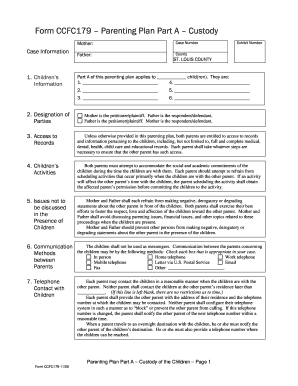
Using an inheritance agreement template can be helpful for drafting an heirs agreement. Templates usually include the following:
- Outline of Terms: A section-by-section guide detailing the contents expected in the final document.
- Example Entries: Example clauses and language that can serve as a basis for customization based on individual circumstances.
- Instructions: Guidance on how to complete the agreement properly and the steps to follow for legal signing.
Best Practices for Heirs Agreements
To maximize the effectiveness of the heirs agreement, consider these best practices:
- Open Communication: Engage all heirs in discussions about the distribution of assets to foster trust and consensus.
- Professional Assistance: Always involve qualified professionals, such as lawyers and financial advisors, during the drafting process to ensure compliance and clarity.
- Periodic Reviews: Make it a habit to review the agreement and estate plans periodically to address any changes in family dynamics or legal requirements.