Relapse prevention worksheets 2026

Get Form
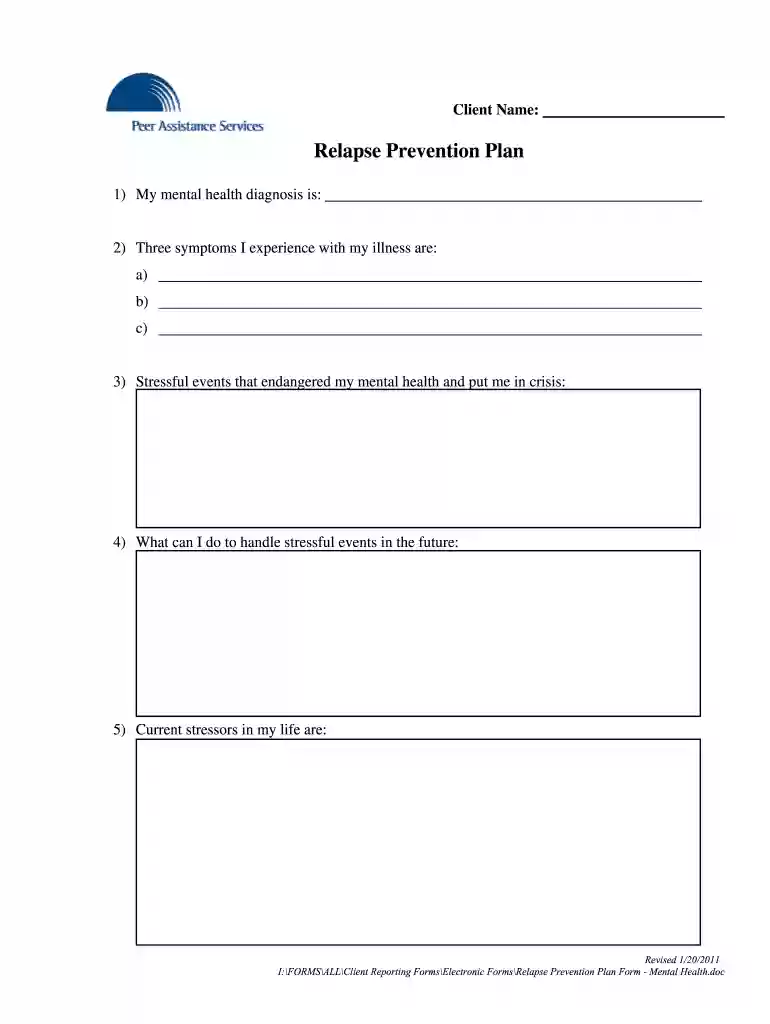
relapse prevention worksheets Preview on Page 1

Here's how it works

01. Edit your relapse prevention worksheets online
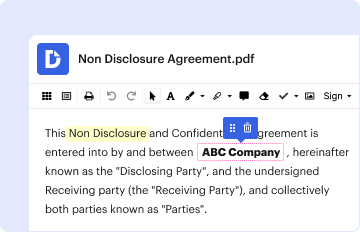
Type text, add images, blackout confidential details, add comments, highlights and more.

02. Sign it in a few clicks
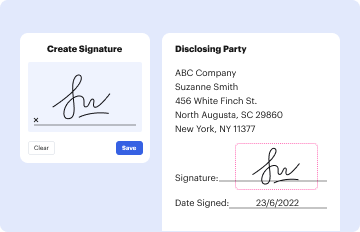
Draw your signature, type it, upload its image, or use your mobile device as a signature pad.
03. Share your form with others
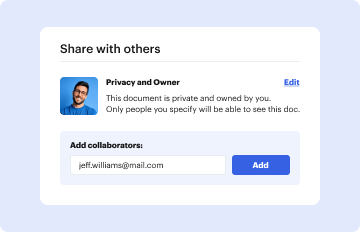
Send relapse prevention worksheets pdf via email, link, or fax. You can also download it, export it or print it out.

Definition and Meaning of Relapse Prevention Worksheets

Relapse prevention worksheets are structured documents designed to help individuals identify triggers, develop coping strategies, and manage potential relapses in their recovery journey. Primarily used within mental health and addiction recovery contexts, these worksheets facilitate self-reflection and promote proactive behavior in challenging situations. They assist users in mapping out personal symptoms, stressors, coping mechanisms, and available support systems.

  • Triggers Identification: Users list situations, feelings, or events that may lead to a relapse. This could include specific environments, social situations, or emotional states.
  • Coping Strategies: The sheets prompt users to explore healthy coping mechanisms, such as mindfulness techniques, physical activities, or reaching out to supportive friends or family.
  • Support Systems: Users outline who they can turn to for help and encouragement during troubling times, fostering a sense of community and accountability.

The incorporation of these worksheets serves not only as a practical tool in relapse prevention planning but also empowers individuals by emphasizing their agency in the recovery process.

How to Use the Relapse Prevention Worksheets

Utilizing relapse prevention worksheets effectively requires a structured approach. Here are steps that individuals can follow to maximize the benefits of these tools:

  1. Begin with Self-Assessment: Before filling out the worksheets, take time to assess your current mental state and identify any recent stressors or vulnerabilities.
  2. List Your Triggers: Clearly outline the specific triggers you have identified. Be as detailed as possible to help increase awareness of circumstances that may lead to relapse.
  3. Develop Coping Mechanisms: For each trigger, list relevant coping strategies. This might include practices such as deep breathing, exercise, or engaging in hobbies that promote well-being.
  4. Identify Resources: Create a list of supportive contacts and resources. Include details such as phone numbers or support group meeting times to ensure quick access when needed.
  5. Regular Review: Set aside time each week to review and update your worksheet. This encourages continual self-reflection and adaptability in your prevention strategies.

By consistently engaging with these worksheets, individuals can build resilience and create a personalized roadmap for maintaining their recovery.

Important Terms Related to Relapse Prevention Worksheets

Understanding key terminology associated with relapse prevention can enhance the effectiveness of the worksheets. Some important terms include:

  • Triggers: These are specific situations or emotions that may provoke cravings or lead to a relapse. Recognizing triggers is essential for developing effective strategies.
  • Coping Strategies: Techniques or methods individuals use to manage stress and emotions in healthy ways, mitigating the risk of relapse.
  • Support Systems: Networks of individuals, including family, friends, and professionals, who provide emotional and practical assistance during recovery.
  • Self-Monitoring: A process of regularly tracking behaviors, mood, and thoughts to increase awareness and identify patterns related to relapse risk.

Familiarity with these terms can help individuals use relapse prevention worksheets more effectively, leading to a deeper understanding of their recovery journey.

Key Elements of Relapse Prevention Worksheets

The effectiveness of relapse prevention worksheets relies on including several key elements that guide users in their recovery efforts. Some essential components are:

  • Personal Symptoms: A section focused on individual symptoms related to mental health issues or addiction.
  • Stress Identification: Space to note sources of stress that may contribute to feelings of vulnerability or cravings.
  • Coping Strategies and Techniques: Suggestions for specific actions or practices that can help in resisting urges, tailored to personal preferences.
  • Recovery Goals: A designated area where individuals can outline their short-term and long-term recovery goals, keeping them focused and motivated.
  • Continual Reflection: Sections dedicated to self-reflection on what strategies worked or did not work in response to specific triggers.

By ensuring each of these elements is included, the worksheets become powerful tools for managing one's recovery proactively.

Examples of Using the Relapse Prevention Worksheets

Using relapse prevention worksheets involves practical applications in real-life scenarios. Here are several examples of how individuals can implement these tools:

  • During a Stressful Work Week: An individual notices increased cravings when facing tight deadlines. They can identify this trigger in their worksheet and formulate a plan, such as taking regular breaks, practicing mindfulness, or discussing workload with a manager to reduce stress.
  • Social Settings Involving Alcohol: For someone recovering from alcohol addiction, the worksheet might include a plan for attending social events, including a commitment to bring a sober friend or a non-alcoholic beverage, along with strategies to remove themselves from high-pressure situations.
  • Emotional Distress: A user might notice that feelings of sadness trigger cravings for unhealthy coping mechanisms. By including various positive coping strategies, such as journal writing and therapy sessions, they can have a plan for when these feelings arise.

Each situation emphasizes how tailored strategies on the worksheets can provide clarity and direct support in diverse recovery scenarios.

See more relapse prevention worksheets versions

We've got more versions of the relapse prevention worksheets form. Select the right relapse prevention worksheets version from the list and start editing it straight away!
Versions Form popularity Fillable & printable
2012 4.8 Satisfied (172 Votes)
2011 4.4 Satisfied (69 Votes)
be ready to get more

Complete this form in 5 minutes or less

Get form

Got questions?

We have answers to the most popular questions from our customers. If you can't find an answer to your question, please contact us.
Contact us
But theres a strategy to combat these cravings, known as the 4Ds Delay, Distract, Deep Breathing (de-stress), and Decatastrophize. This method can be a valuable tool in times when cravings strike. We suggest putting together a relapse prevention plan so you can be prepared when cravings creep up.
[2] Three of the most common relapse prevention strategies have included therapy and skill development, medications, and monitoring. Many individuals in both the healthcare system and the larger society focus on relapse in terms of the consumption of the alcohol or drug that has been problematic for the individual.
The three Ps of recovery include patience, persistence, and perseverance. These three attributes are imperative to a successful journey to sobriety and stability. There are plenty of reasons that the three Ps of recovery are imperative to the overall success of a recovery experience.
7 Recovery Tools That Can Benefit Everyone Right Now 1) Take it one day at a time, or even one hour at a time. 2) Keep calm, and set boundaries that allow you to recharge. 3) Find support with your tribe. 4) Practice gratitude. 5) Learn to be more comfortable with being uncomfortable. 6) Create a healthy routine.
The top 10 relapse prevention skills include: Self-Care. Common post-acute withdrawal symptoms when recovering from addiction include insomnia and fatigue. HALT. Mindfulness Meditation. Know Your Triggers. Join a Support Group. Grounding Techniques. Deep Breathing. Make An Emergency Contact List.

Security and compliance

At DocHub, your data security is our priority. We follow HIPAA, SOC2, GDPR, and other standards, so you can work on your documents with confidence.

Learn more

People also ask

Relapse Prevention Strategies Eat a healthy diet. Get some quality sleep. Exercise regularly. Consider other complementary and holistic methods for managing stress naturally, like yoga and meditation. Join a self-help group, attend meetings regularly, and actively participate.
Most relapses can be explained in terms of a few basic rules. Understanding these rules can help clients focus on what is important: 1) change your life; 2) be completely honest; 3) ask for help; 4) practice self-care; and 5) dont bend the rules.
Although every persons strategy will be different, the following five components should be a part of any solid relapse prevention plan. Take Time for Self-Assessment and Reflection. Recognize Your Triggers and Warning Signs. Plan for the Worst. Involve Others. Set Goals for a Healthy Lifestyle.

worksheets for relapse prevention