

Wisconsin proceedings 2026

Get Form
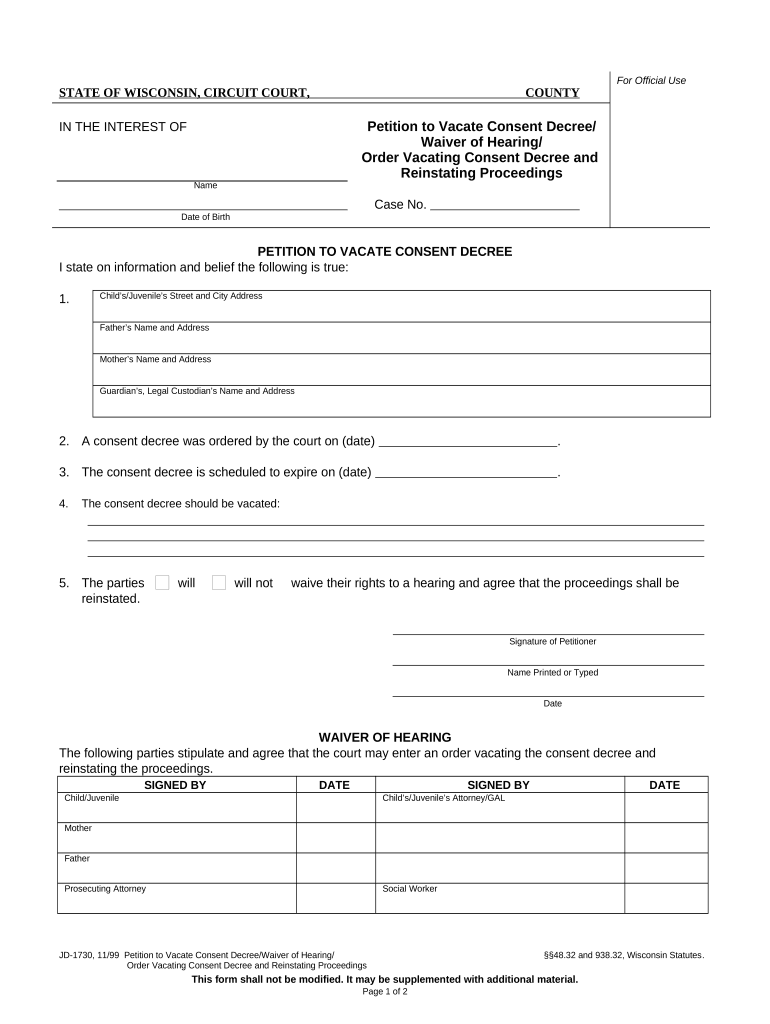
wisconsin proceedings Preview on Page 1

Here's how it works

01. Edit your form online
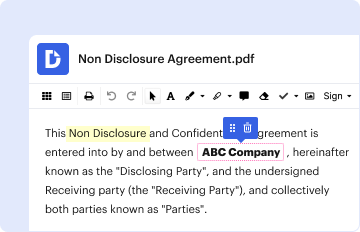
Type text, add images, blackout confidential details, add comments, highlights and more.
02. Sign it in a few clicks
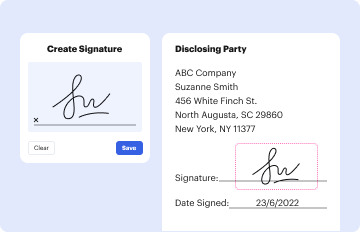
Draw your signature, type it, upload its image, or use your mobile device as a signature pad.
03. Share your form with others
Send it via email, link, or fax. You can also download it, export it or print it out.

How to use or fill out Wisconsin Proceedings with Our Platform

Form edit decoration
9.5
Ease of Setup
DocHub User Ratings on G2
9.0
Ease of Use
DocHub User Ratings on G2
  1. Click ‘Get Form’ to open the Wisconsin Proceedings document in the editor.
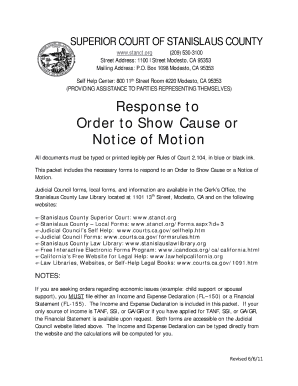
  2. Begin by filling in the child's name and case number at the top of the form. Ensure accuracy as this information is crucial for identification.
  3. In the 'Petition to Vacate Consent Decree' section, provide the child's street address, along with the names and addresses of both parents or guardians.
  4. Indicate the dates related to the consent decree: when it was ordered and when it is set to expire. This information helps establish context for your petition.
  5. Clearly state your reasons for vacating the consent decree in section four. Be concise but thorough in your explanation.
  6. In the 'Waiver of Hearing' section, check whether parties will waive their rights to a hearing. Ensure all relevant parties sign and date this section.
  7. Finally, review all entries for accuracy before submitting. Use our platform’s features to save or print your completed form as needed.

Start using our platform today for free to streamline your document editing and signing process!

be ready to get more

Complete this form in 5 minutes or less

Get form

Got questions?

We have answers to the most popular questions from our customers. If you can't find an answer to your question, please contact us.
Contact us
Explanation: In the case of Wisconsin v. Yoder, the U.S. Supreme Court decided that mandatory school attendance after eighth grade for Amish children violated their right to freedom of religion. The Court recognized that the Amish have a sincere religious belief that emphasizes living separate from the modern world.
The Court decided the case unanimously, 7-0, in favor of Yoder. The Supreme Court held that the Free Exercise Clause of the First Amendment, as incorporated by the 14th Amendment, prevented the state of Wisconsin from compelling the respondents to send their children to formal secondary school beyond the age of 14.
Criminal History Unit. What criminal history information can be accessed over the Internet? Access to criminal history information can be obtained on the Wisconsin Online Record Check System at .
The ruling in Wisconsin v. Yoder developed the precedent that parents were allowed to educate their children outside of either the public school system or traditional private schools. In doing so, it prioritized the free exercise of religion over state interests.
The court corrects legal errors in rulings from circuit courts. Consists of 16 judges serving in four districts. 3-judge panels hear nearly all cases, except small claims actions, municipal ordinance violations, traffic violations, and mental health, juvenile, and misdemeanor cases.

Security and compliance

At DocHub, your data security is our priority. We follow HIPAA, SOC2, GDPR, and other standards, so you can work on your documents with confidence.

Learn more
ccpa2
pci-dss
gdpr-compliance
hipaa
soc-compliance