




01. Edit your mar sheet pdf free download online
Type text, add images, blackout confidential details, add comments, highlights and more.

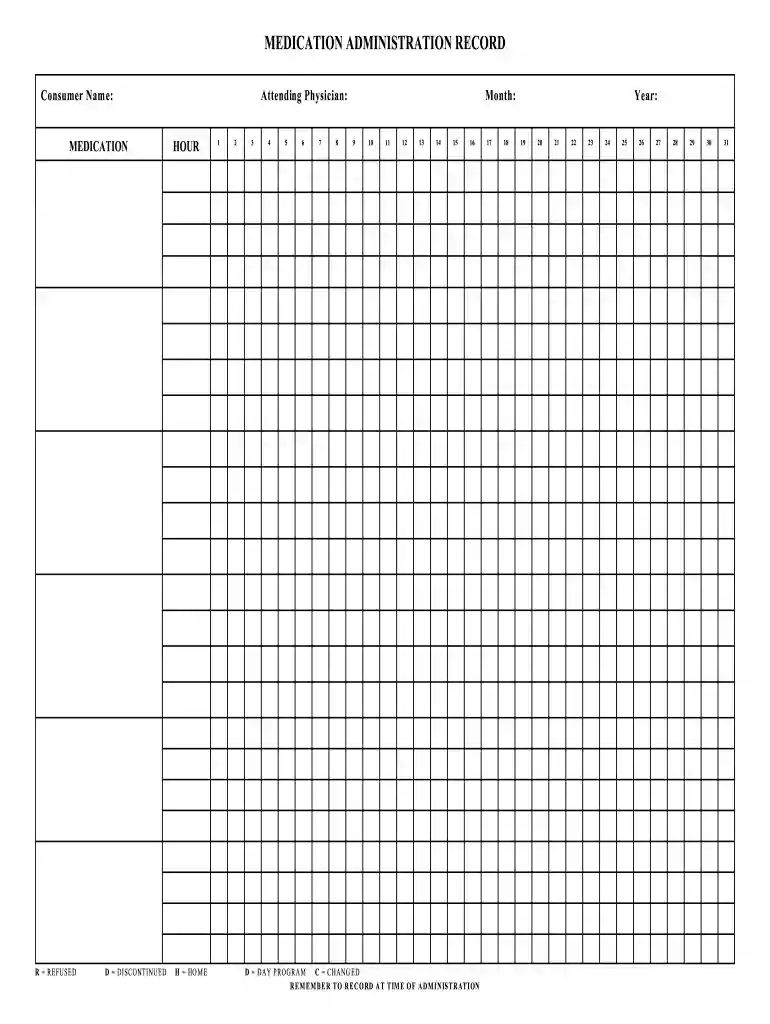
Type text, add images, blackout confidential details, add comments, highlights and more.

Draw your signature, type it, upload its image, or use your mobile device as a signature pad.

Send mar chart template excel via email, link, or fax. You can also download it, export it or print it out.
The MAR chart template, or Medication Administration Record chart template, is a critical document utilized in healthcare settings to systematically track the administration of medications to patients. It serves as a comprehensive log that details each medication prescribed, along with pertinent information such as dosage, timing, and the specific individual responsible for administering the medication. The MAR is designed to enhance patient safety by ensuring accurate medication administration and adherence to prescribed treatment plans.
Key components of a MAR chart template typically include:
Utilizing a MAR chart template helps streamline workflow, minimizes errors in medication administration, and maintains precise records for regulatory compliance.
Using a MAR chart template effectively requires familiarity with its layout and the specific requirements for recording medication administration. Here are the essential steps:
This routine helps maintain an accurate medication history and ensures adherence to prescribed regimens, allowing for safe patient care.
There are various avenues through which healthcare providers can acquire the MAR chart template, ensuring they have access to the most suitable format for their needs:
Selecting the right source for the MAR chart template is crucial for maintaining compliance with best practices in medication administration.
Completing the MAR chart template accurately is vital for patient safety and regulatory compliance. Here’s a step-by-step guide to effectively fill out the document:
These steps ensure that the MAR chart is filled out correctly and consistently, providing a clear overview of the patient's medication regimen.
Understanding terminology related to the MAR chart template is essential for effective communication and documentation in healthcare settings. Some key terms include:
Familiarity with these terms facilitates discussions among healthcare professionals and enhances the overall efficacy of patient treatment and medication management.
The following scenarios illustrate how the MAR chart template can be applied in real-world healthcare settings:
These examples demonstrate the versatile application of MAR chart templates across various healthcare environments, reinforcing their value in promoting patient safety.
At DocHub, your data security is our priority. We follow HIPAA, SOC2, GDPR, and other standards, so you can work on your documents with confidence.


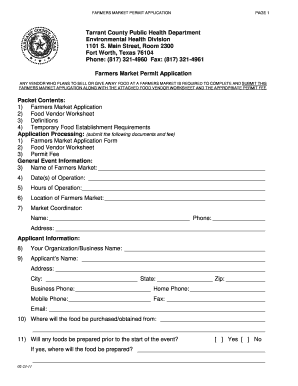


Utilizing a printable MAR template simplifies tracking medication schedules and dosages, ensuring timely administration and minimizing errors. This toolRead more
Each MAR or set of MARs needs to have your signature and the initials you use to chart when you have given a medication. 4. Ditto marks are never used. 5. NeverRead more
Mar 2, 2006 using the Well Locations chart-sheet (see instructions on the next page). The Excel template file MAROSExcelImportTemplate.xls or theRead more


