




01. Edit your 2014 990 online
Type text, add images, blackout confidential details, add comments, highlights and more.

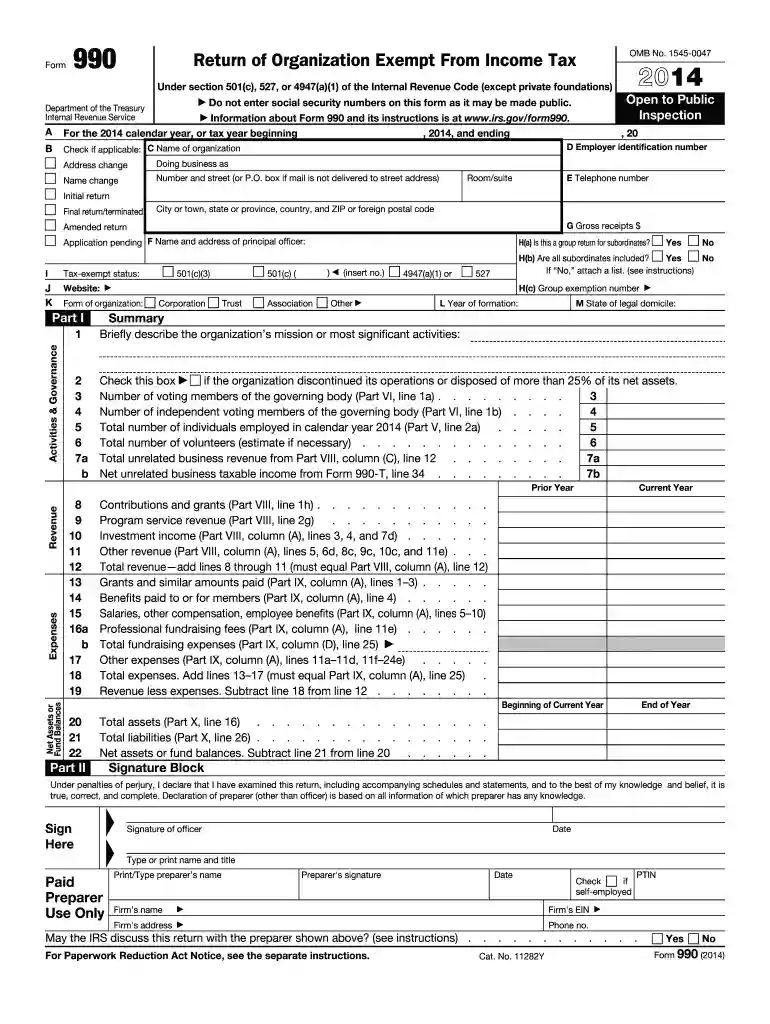
Type text, add images, blackout confidential details, add comments, highlights and more.

Draw your signature, type it, upload its image, or use your mobile device as a signature pad.

Send 2014 form 990 via email, link, or fax. You can also download it, export it or print it out.
IRS Form 990 for the year 2014 is integral to tax-exempt organizations, as it helps maintain transparency and accountability. This form is mandatory for organizations exempt from income tax under sections like 501(c), 527, or 4947(a)(1) of the Internal Revenue Code. It provides detailed insights into an organization's financial activities, governance, and compliance with tax regulations. By mandating disclosures on revenue, expenses, net assets, and program service accomplishments, the form ensures that exempt organizations operate in alignment with their tax-exempt purposes.
Using IRS Form 990 effectively requires understanding its components. Organizations must report their financial activities, highlight their mission-related accomplishments, and disclose governance practices. The form includes sections requiring detailed revenue breakdowns, program service descriptions, and disclosures about compensation and potential conflicts of interest. Non-profits must also detail any political activities, even if their primary focus isn't political advocacy. This level of detail aids regulators and the public in assessing the organization's practices and compliance.
IRS Form 990 is primarily used by tax-exempt organizations, including:
The form serves as a public document, providing insight into the nonprofit sector’s financial operations and accountability.
The form comprises several vital components:
Understanding these terms is crucial when dealing with Form 990:
Timelines for submission are as follows:
Timely filing is essential to avoid penalties and maintain good standing.
Failure to timely file IRS Form 990 can result in penalties:
Understanding these consequences underscores the importance of compliance with IRS guidelines. Each disclosure and financial detail plays a role in portraying an accurate, transparent organizational image to both the IRS and the public.
We've got more versions of the 2014 990 form. Select the right 2014 990 version from the list and start editing it straight away!
| Versions | Form popularity | Fillable & printable |
|---|---|---|
| 2025 | 4.6 Satisfied (50 Votes) | |
| 2024 | 4.6 Satisfied (53 Votes) | |
| 2023 | 3.4 Satisfied (37 Votes) | |
| 2022 | 4.3 Satisfied (30 Votes) | |
| 2021 | 4.8 Satisfied (102 Votes) | |
| 2020 | 4.4 Satisfied (60 Votes) | |
| 2019 | 4.3 Satisfied (102 Votes) | |
| 2018 | 4.3 Satisfied (128 Votes) | |
| 2017 | 4.3 Satisfied (133 Votes) | |
| 2016 | 4.4 Satisfied (565 Votes) | |
| 2015 | 4 Satisfied (61 Votes) | |
| 2015 | 4.5 Satisfied (22 Votes) | |
| 2014 | 4 Satisfied (49 Votes) | |
| 2013 | 4.1 Satisfied (45 Votes) | |
| 2012 | 4 Satisfied (27 Votes) |
Sign in to your DocHub account and add your irs form 990 2014 to our editor using one of its upload options - from your device, cloud storage, secure URL, or your DocHub folders if you have already managed your form before. Open our editor, click the Sign button in the top toolbar, and choose your signing method. You can use a picture of your handwritten signature, draw it, enter your name, or use a QR code instead.
If you are searching for a state-specific irs form 990 2014 sample, you will find it in our DocHub Forms & Templates catalog. Use the search field, key in your form’s name, and search through the results for your state. You may also filter out irrelevant results while searching our catalog by categories.
At DocHub, your data security is our priority. We follow HIPAA, SOC2, GDPR, and other standards, so you can work on your documents with confidence.



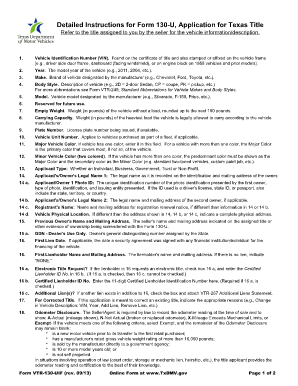


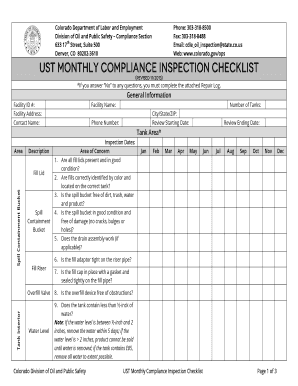
This publication is for people interested in assisting victims of disasters or those in emergency hardship situations through tax-exempt charities.Read more
Oct 1, 2013 Enter your six-digit electronic filing identification number (EFIN) followed by your five-digit self-selected PIN.
use either 2013 Form 990 or 2014 Form 990 to file for the short year. The 2014 form may also be used for a short period beginning in 2015 and ending beforeRead more


