




01. Edit your form 656 online
Type text, add images, blackout confidential details, add comments, highlights and more.

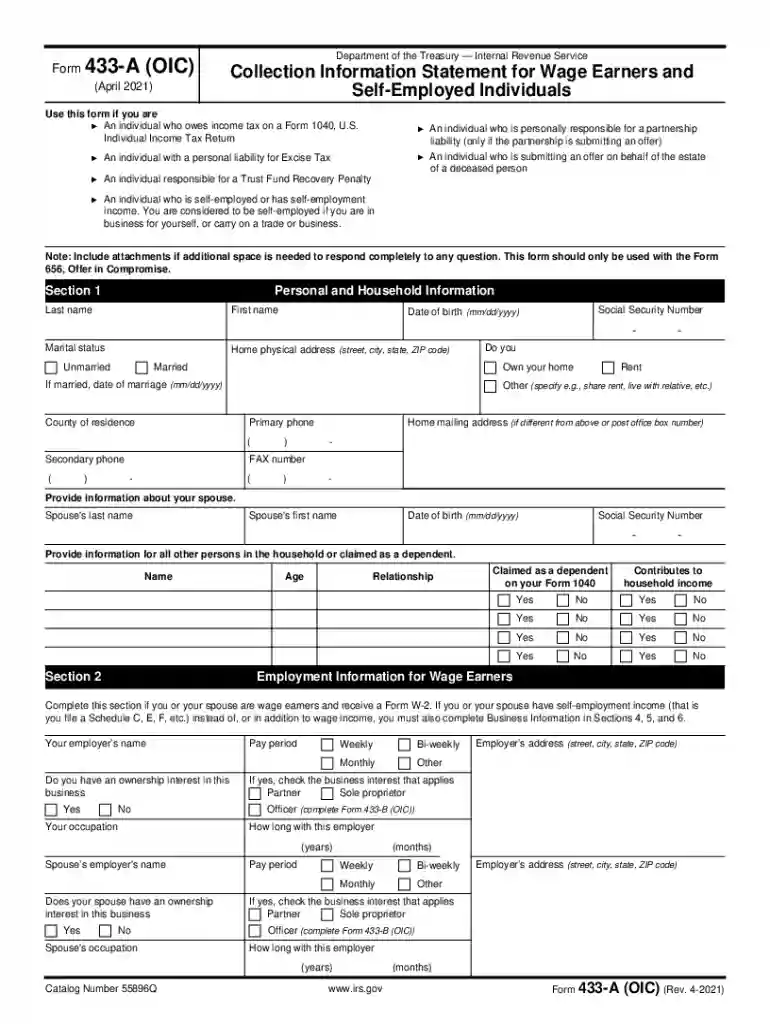
Type text, add images, blackout confidential details, add comments, highlights and more.

Draw your signature, type it, upload its image, or use your mobile device as a signature pad.

Send letter of compromise and offer sample via email, link, or fax. You can also download it, export it or print it out.
Form 656 is the official document used to apply for an Offer in Compromise (OIC) with the Internal Revenue Service (IRS) in the United States. The purpose of the form is to allow qualifying taxpayers to settle their tax debts for less than the full amount owed. It provides an opportunity for taxpayers to negotiate a reduced tax liability if they can demonstrate that paying the full amount would create financial hardship or if there's doubt about the collectibility of the tax debt. Form 656 is a crucial tool for individuals and businesses seeking relief from insurmountable tax burdens.
To effectively use Form 656, taxpayers must carefully evaluate their financial situation and ensure that an Offer in Compromise is the most suitable option for resolving their tax debts. The form requires detailed financial information, including income, expenses, and asset values. Taxpayers should ensure that all information is complete and accurate to avoid delays or rejections. It is advisable to consult with a tax professional or use the offer-in-compromise pre-qualifier tool available on the IRS website to determine eligibility before submitting Form 656.
Gather Required Financial Documents:
Determine Eligibility:
Complete Form 656:
Submit Along with Required Fees:
Completing Form 656 requires attention to detail, as the IRS assesses each submission's financial accuracy and completeness.
Personal and Business Information:
Offer Terms:
Financial Disclosure:
Supporting Documentation:
Submit and Pay Application Fees:
There are key terms associated with Form 656 that applicants need to understand:
Form 656 is legally used as a formal request to the IRS for a compromise on tax debts. Applicants must ensure all submitted information is accurate and truthful, as providing false information can result in legal penalties, including fines and additional tax liability. The form also provides taxpayers with rights, allowing them to appeal a rejected offer and seek further assistance if needed.
The IRS has strict guidelines that govern the submission and processing of Form 656. Applicants must adhere to these guidelines to increase the likelihood of offer acceptance.
While there is no specific deadline to submit Form 656, timing can impact the process. For optimal processing, it’s recommended to file after all tax returns are submitted and up to date, and when financial documentation is current. Estimated tax payments should be made to ensure compliance while the offer is under consideration.
Eligibility for Form 656 is determined based on the taxpayer's current financial situation and ability to pay. Key criteria include:


We've got more versions of the form 656 form. Select the right form 656 version from the list and start editing it straight away!
| Versions | Form popularity | Fillable & printable |
|---|---|---|
| 2024 | 4.3 Satisfied (48 Votes) | |
| 2023 | 4.8 Satisfied (55 Votes) | |
| 2022 | 4.5 Satisfied (54 Votes) | |
| 2021 | 4.9 Satisfied (52 Votes) | |
| 2020 | 4.4 Satisfied (190 Votes) | |
| 2019 | 4.4 Satisfied (141 Votes) | |
| 2018 | 4.3 Satisfied (207 Votes) | |
| 2017 | 4.1 Satisfied (50 Votes) | |
| 2016 | 4.4 Satisfied (703 Votes) | |
| 2015 | 4 Satisfied (44 Votes) | |
| 2014 | 4 Satisfied (43 Votes) | |
| 2012 | 4.1 Satisfied (61 Votes) | |
| 2011 | 4.2 Satisfied (69 Votes) |
At DocHub, your data security is our priority. We follow HIPAA, SOC2, GDPR, and other standards, so you can work on your documents with confidence.
Each Form 656 will require the $205 application fee and initial payment unless you are an individual and meet the Low-Income Certification guidelines. If YouRead more
If you have a legitimate doubt that you owe part or all of the tax debt, complete and submit a Form 656-L, Offer in Compromise (Doubt as to Liability). The Form.Read more


