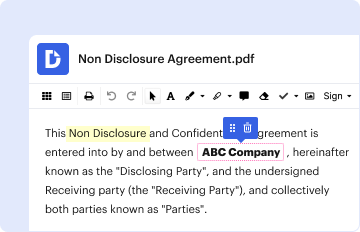
Type text, add images, blackout confidential details, add comments, highlights and more.
02. Sign it in a few clicks
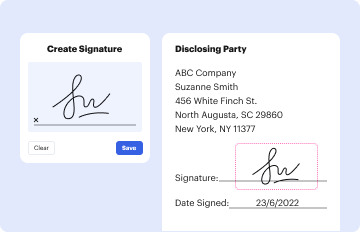
Draw your signature, type it, upload its image, or use your mobile device as a signature pad.
03. Share your form with others
Send it via email, link, or fax. You can also download it, export it or print it out.
How to use or fill out Quitclaim Deed - with representative acknowledgment - Washington
Ease of Setup
DocHub User Ratings on G2
Ease of Use
DocHub User Ratings on G2
Click ‘Get Form’ to open it in the editor.
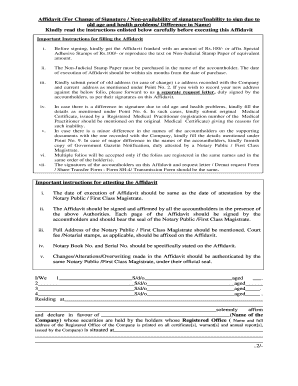
Begin by filling in the names of the grantor(s) in the designated field. This identifies who is transferring their interest in the property.
Next, specify the consideration amount paid for the property. This is typically a nominal amount, such as 'Ten Dollars'.
In the section for real estate description, provide a detailed description of the property being conveyed, including its location and any relevant identifiers.
If applicable, include an abbreviated legal description and tax parcel number to ensure proper identification of the property.
Complete the date fields to indicate when this deed is executed.
The notary section requires you to fill in your name and address, along with your appointment expiration date. Ensure that you sign where indicated.
Start using our platform today to easily complete your Quitclaim Deed for free!
Fill out Quitclaim Deed - with representative acknowledgment - Washington online It's free
Quitclaim deed with representative acknowledgment washington templateQuitclaim deed with representative acknowledgment washington sampleQuitclaim deed with representative acknowledgment washington formQuitclaim deed with representative acknowledgment washington freeSpokane County Quit Claim Deed FormHow to fill out a quit claim deed Washington StatePersonal representative Deed Washington StateQuit claim deed Washington state cost
Security and compliance
At DocHub, your data security is our priority. We follow HIPAA, SOC2, GDPR, and other standards, so you can work on your documents with confidence.
Quitclaim deedForm and effect. Quitclaim deeds may be in substance in the following form: The grantor (here insert the name or names and place of residence)Read more
The Importance of Physical Presence to the Notary, 31 J.
by CN Faerber 1998 Cited by 23 I discovered to my utter disbelief that my signature had been forged on a trust deed secured against my home-DocHubd without me personally appearing before aRead more
Cookie consent notice
This site uses cookies to enhance site navigation and personalize your experience.
By using this site you agree to our use of cookies as described in our Privacy Notice.
You can modify your selections by visiting our Cookie and Advertising Notice.